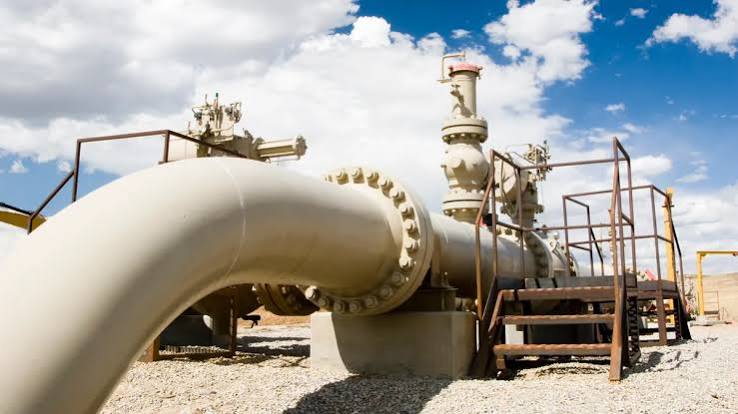
A new $1.2 billion natural gas pipeline is planned to boost energy transportation capacity across south Florida, addressing growing supply constraints as the region continues to experience rapid population and economic growth.
Known as the Florida Energy Pathway (FEP), the proposed intrastate pipeline would stretch from Palm Beach County to Miami-Dade County, creating a new corridor for natural gas transportation across one of Florida’s fastest-growing regions. The project aims to increase pipeline capacity, strengthen system reliability and expand natural gas infrastructure serving homes and businesses.
The proposed pipeline will measure 24 inches in diameter and transport natural gas from the Phase IX expansion of Florida Gas Transmission’s interstate pipeline network. Once completed, it will provide additional capacity into South Florida, where rising energy demand has increased pressure on existing natural gas delivery systems.
Project developers estimate the total investment at approximately $1.2 billion, although the final cost will depend on detailed engineering, design and development activities. The pipeline is currently targeted to enter service in 2030, subject to permitting, construction and final commissioning.
Initial Shipping Commitments already secured
The project has already secured firm transportation commitments totaling nearly 250,000 dekatherms of natural gas per day from multiple investment-grade shippers. Developers are continuing to accept binding commitments from additional customers seeking long-term transportation capacity, indicating that demand for new pipeline infrastructure in the region continues to grow.
In addition, the Florida Energy Pathway will complement Florida Gas Transmission’s planned Phase IX expansion, allowing additional natural gas supplies to reach South Florida through expanded upstream capacity before entering the new intrastate pipeline. Together, the two projects will improve fuel availability and strengthen reliability across the regional natural gas network.
South Florida has experienced sustained population growth over the past decade, driving higher electricity consumption and increasing demand for natural gas used in power generation, commercial operations and residential heating and cooking. Developers say the new pipeline will help address existing transportation bottlenecks while providing additional capacity to support future economic and residential development.
Meanwhile, project developers continue to evaluate financing options and expect one or more third-party investors to acquire up to a 49% ownership stake in the pipeline. Peninsula Pipeline Company will retain the remaining ownership and develop, construct and operate the project.
Next Steps for the Project
The announcement represents an early development milestone for the Florida Energy Pathway, with engineering, commercial agreements and financing activities expected to continue before construction begins. Additional project details are anticipated during Chesapeake Utilities’ second-quarter earnings presentation in August.
If completed on schedule, the Florida Energy Pathway would become one of the largest recent natural gas infrastructure investments in Florida, expanding transportation capacity between Palm Beach County and Miami-Dade County while supporting long-term energy demand across the state’s rapidly growing southeast region.
Additionally, the Florida Energy Pathway also reflects broader investment in natural gas infrastructure across the United States. Williams, has secured $5.34 billion investment to advance five Power Innovation projects, while in North Dakota, the proposed Border Crossing Facilities Project recently entered federal review, marking a key regulatory milestone for a cross-border pipeline that would transport natural gas to Saskatchewan, Canada.

Project Factsheet: Florida Energy Pathway (FEP)
Project type: Intrastate natural gas pipeline
Location: Palm Beach County to Miami-Dade County, Florida
Estimated investment: Approximately $1.2 billion
Pipeline size: 24-inch diameter
Purpose: Expand natural gas transportation capacity, improve system reliability and support regional energy demand
Initial contracted capacity: Nearly 250,000 dekatherms per day
Gas supply: Florida Gas Transmission Phase IX expansion
Developer and operator: Peninsula Pipeline Company
Project sponsor: Chesapeake Utilities Corporation
Ownership: Peninsula Pipeline Company with plans to partner with third-party investors for up to a 49% ownership stake
Target in-service date: 2030, subject to permitting, construction and final commissioning




Leave a Reply