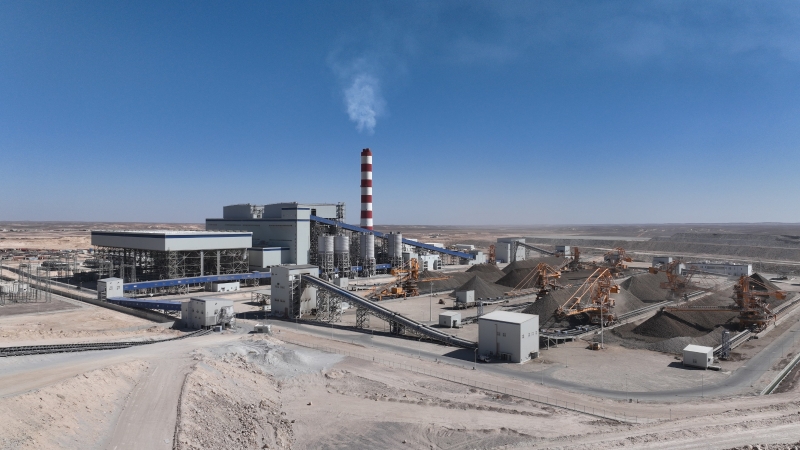
Jordan shale power plant plans are gaining traction as the government evaluates a $1.25 billion project to expand domestic energy generation capacity. The proposed facility targets the country’s abundant oil shale reserves, therefore strengthening energy independence while reducing reliance on imported fuels. Moreover, policymakers continue to assess technical feasibility, financing structures, and environmental considerations before advancing to procurement stages.
Jordan shale power plant drives energy diversification
Jordan shale power plant development aligns with national strategies to diversify energy sources and stabilize electricity supply. Notably, the country holds significant oil shale deposits, which remain largely underutilized despite their long-term potential. Consequently, authorities aim to convert these reserves into reliable baseload power generation capacity.
Furthermore, officials are reviewing project configurations, including plant capacity, combustion technology, and integration with existing grid infrastructure. Early indications suggest the plant could deliver several hundred megawatts of power, although final specifications are still under evaluation. In addition, planners are considering phased implementation to manage capital expenditure and technical risks effectively.
Meanwhile, energy demand in Jordan continues to grow steadily due to population expansion and industrial activity. Therefore, the proposed project could play a central role in meeting future electricity needs. At the same time, authorities are balancing cost competitiveness against environmental compliance, especially regarding emissions and water usage.
Financing and feasibility shape Jordan shale power plant outlook
Jordan shale power plant financing remains a critical factor influencing project timelines and execution. Currently, the government is exploring a mix of public-private partnerships, export credit financing, and potential multilateral support. As a result, financial structuring discussions are ongoing with investors and development institutions.
Additionally, feasibility studies are focusing on cost efficiency compared to alternative energy sources, including renewables and imported natural gas. Although renewable energy capacity has expanded significantly in Jordan, oil shale offers consistent output, which complements intermittent sources like solar and wind.
However, environmental considerations continue to shape decision-making processes. Stakeholders are evaluating emissions control technologies and carbon management strategies to ensure compliance with international standards. Consequently, project developers are expected to integrate advanced clean coal or shale combustion systems to minimize environmental impact.
At the same time, regulatory approvals and permitting processes are being reviewed to streamline project implementation. Therefore, authorities are working to create an enabling environment that attracts investment while maintaining strict environmental safeguards.
Jordan shale power plant timeline and construction outlook
Jordan shale power plant development could move into early-stage engineering and design once feasibility and financing arrangements are finalized. Subsequently, procurement and contractor selection would follow, paving the way for construction activities.
Construction timelines are expected to span several years, depending on project scale and technological complexity. During this phase, infrastructure development will include power generation units, transmission connections, and supporting facilities such as water supply systems.
Moreover, the project could generate significant employment opportunities during both construction and operational phases. Local contractors and suppliers are likely to benefit, thereby supporting broader economic development objectives.
In parallel, authorities are expected to engage stakeholders, including local communities and environmental groups, to address concerns and ensure project acceptance. Therefore, transparent communication and compliance with environmental standards will remain essential throughout the project lifecycle.
Ultimately, the Jordan shale power plant represents a strategic investment in long-term energy security. While uncertainties remain, ongoing evaluations indicate strong government interest in advancing the project under viable economic and environmental conditions.
To underline regional energy infrastructure trends, it’s worth noting that major hydrocarbon developments continue across the Gulf, such as the Offshore oil project takes shape for world’s longest oil and gas well; Abu Dhabi, where extended‑reach drilling and artificial island construction are driving capacity expansion in the Upper Zakum field. While this project focuses on oil and gas production, developments like this complements the broader Gulf strategy of investing in large‑scale energy infrastructure, similar to how Jordan is evaluating its own domestic energy projects, including the proposed Jordan shale power plant to boost electricity generation and reduce import dependence.
Project Fact Sheet
Project Name: Jordan Shale Power Plant
Location: Jordan (specific site under evaluation)
Estimated Cost: $1.25 billion
Project Type: Oil shale-fired power generation plant
Capacity: Under assessment (expected several hundred megawatts)
Energy Source: Domestic oil shale reserves
Development Stage: Feasibility and financing evaluation
Procurement Model: Public-Private Partnership (PPP) under consideration
Key Components:
- Power generation units
- Emissions control systems
- Grid interconnection infrastructure
- Water supply and treatment facilities
Construction Timeline: To be determined (multi-year development expected)
Strategic Objective: Enhance energy security and reduce fuel imports
Environmental Focus: Emissions reduction and sustainable resource utilization
Project Team
Project Sponsor: Government of Jordan (Ministry of Energy and Mineral Resources)
Regulatory Authorities:
Potential Developers:
- International energy developers (under evaluation)
- Local energy investment entities
Financial Stakeholders:
- Multilateral development banks (under discussion)
- Export credit agencies
- Private equity and infrastructure investors
Technical Partners:
- Engineering, Procurement, and Construction (EPC) contractors (to be selected)
- Oil shale technology providers
- Environmental and sustainability consultants
Advisors:
- Financial advisors for PPP structuring
- Legal advisors for regulatory compliance
- Technical consultants for feasibility studies
Local Stakeholders:
- Local contractors and suppliers
- Community representatives
- Environmental advocacy groups



Leave a Reply