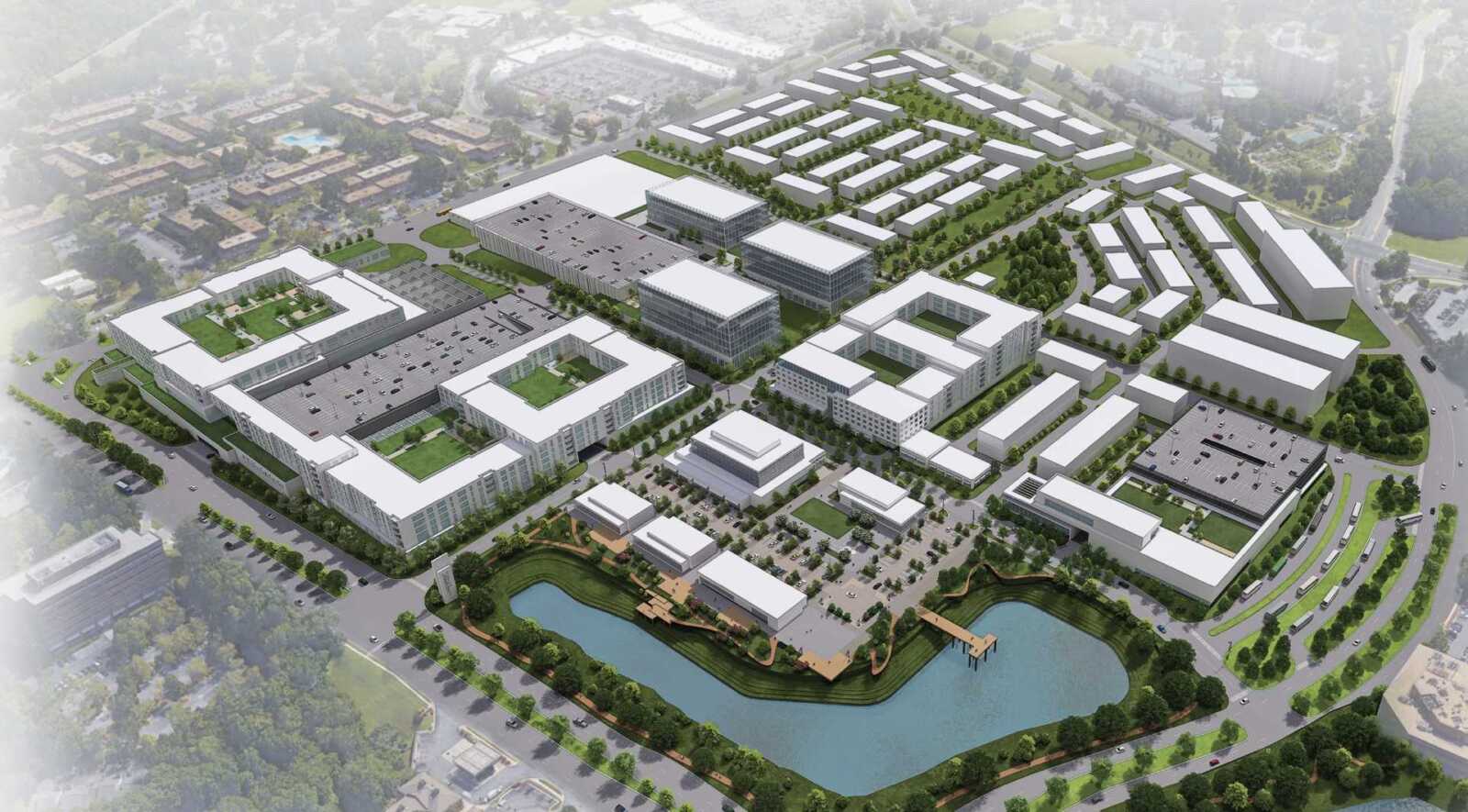
The $1.2bn Lakeside Mall redevelopment project makes headway as the Sterling Heights council approves tax incentive plan. The approval advances the plans to transform the former mall into a massive city center with various amenities. The mixed-use project will include residential, restaurants, and also shops.
The incentive plan will facilitate in funding the project. Miami-based real estate firm Lionheart Capital plans to redevelop the former Lakeside Mall on M-59 into a mixed-use development called Lakeside City Center. It also represents the largest commercial project “possibly in the history of Macomb County,” as noted by Sterling Heights Mayor Michael Taylor. ”
And I think it’s going to be a transformational redevelopment that provides sort of a downtown city center feel that will, in my opinion, greatly increase the profile of Sterling Heights and showcase to the rest… of Metro Detroit region what a gem we have,” he said. Mixed-use developments across the United States are gaining traction with projects such as the $500 million mixed use development in south Charlotte, NC. As reported in 2024, the three developers: Horizon Development Properties, Levine Properties, and Northwood Ravin, patched up their pieces together for the project.
Outlook on the Lakeside Mall Redevelopment in Michigan
The tax incentive plan on the Lakeside Mall redevelopment was unanimously approved a Combined Transformational Brownfield Plan. This step greenlights the first $573 million phase of implementation. Luke Bonner, Sterling Heights’ senior economic development adviser, said given Lakeside City Center’s size, it requires a “public finance tool” to help move it forward.
“This is a massive chunk of their financing,” he said, referring to the developer, “so without this, they wouldn’t be able to do the project.” Moreover, Lionheart Capital will be able to use the revenue from the plan on anything related to “hard construction costs,” he noted. These include aspects such as buildings, demolition, and water and sewer infrastructure. With private financing expenses factored in, it’ll cost $621 million, said Colin Carby, Lionheart’s director of development.
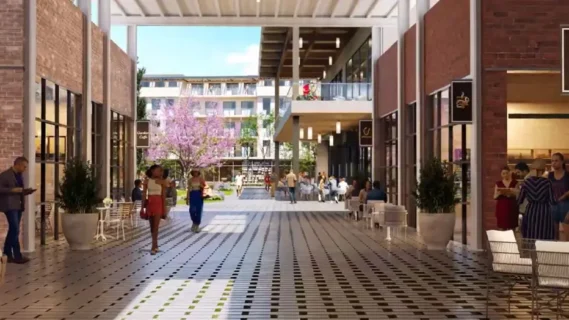
The first phase includes 1,365 residential units and 180 senior units. It also includes over 154,000 square feet of new commercial and retail space, and green space. Nine multifamily buildings are planned, according to the brownfield plan. The 154,007 square feet of new retail space will be spread out over seven different buildings and centered on a central community park and green space, the plan said.
Project Factsheet:
- Project Name: Lakeside City Center Redevelopment
- Location: Sterling Heights, Michigan, USA
- Estimated Investment Value: $1.2 Billion
- Project Type: Mixed-use urban redevelopment
Timeline
- 2026: Sterling Heights approves tax incentive plan
- Phase One: Approved for implementation
- Construction Timeline: Multi-phase development underway
Site & Scale
- Redevelopment Site: Former Lakeside Mall property
- Phase One Value: $573 Million
- Residential Units: 1,365 apartments
- Senior Housing Units: 180 units
- Retail & Commercial Space: 154,007 sq ft
- Development Features: Community park, green space, restaurants, retail, mixed-use buildings
Project Teams
- Developer: Lionheart Capital
- Local Authority: Sterling Heights City Council
- Economic Development Support: Sterling Heights Economic Development Office
Infrastructure Scope
- Demolition of former mall structures
- Construction of mixed-use residential buildings
- Development of retail and restaurant spaces
- Water and sewer infrastructure upgrades
- Public green spaces and central community park
- Nine planned multifamily residential buildings
Strategic Objectives
- Transform former mall into a downtown-style city center
- Boost economic growth in Sterling Heights
- Expand housing and commercial opportunities
- Revitalize underutilized retail property
- Strengthen regional attractiveness within Metro Detroit
Challenges
- Large-scale financing requirements
- Dependence on tax incentive and brownfield funding tools
- Complex phased redevelopment coordination
Current Status
- Combined Transformational Brownfield Plan approved unanimously
- Tax incentive package approved by Sterling Heights council




Leave a Reply