
Caribbean education projects worth $1.67 billion are advancing as Bouygues secures a major construction program across the region. According to industry reports, the initiative covers new schools, upgrades, and modern learning infrastructure across multiple islands.
Meanwhile, governments aim to expand capacity and improve resilience in education facilities. The program supports long-term development goals and regional skills enhancement. Furthermore, Bouygues will coordinate design and construction through its international divisions. Overall, the scheme strengthens public-private cooperation in Caribbean infrastructure delivery.
Caribbean education projects framework and scope
Caribbean education projects under this package span primary, secondary, and technical institutions. In addition, the scope includes refurbishment of existing classrooms and campus expansions. However, final allocations differ across participating Caribbean territories.
According to reports, procurement structures rely on government-backed financing models. Meanwhile, sustainability standards guide materials and energy-efficient designs. Consequently, schools aim to meet modern safety and digital learning requirements.
Meanwhile, similar Caribbean education infrastructure efforts continue to gain momentum across the region. For instance, the Caribbean school reconstruction projects in St. Croix highlight how large-scale investments are rebuilding resilient learning facilities following hurricane damage.
In that case, a major joint venture involving Bouygues Construction subsidiaries is delivering modern, climate-resilient schools under a $789 million program. As a result, the initiative reinforces a broader regional shift toward durable and future-ready education infrastructure, mirroring the objectives of the current Caribbean education projects.
Bouygues Caribbean education projects delivery strategy
Bouygues Caribbean education projects will be delivered through phased construction contracts. Meanwhile, Bouygues leverages regional partners and local subcontractors. In addition, project management focuses on cost control and scheduling efficiency.
However, supply chain coordination remains critical across island logistics networks. Subsequently, digital construction tools support planning and progress monitoring. Notably, the company applies standardized school design templates for faster delivery.
Regional impact and construction timeline
The program is expected to improve access to education infrastructure across the Caribbean. Meanwhile, construction phases will roll out over several years. In addition, employment opportunities will increase during peak building periods. However, timelines depend on approvals and funding release schedules. Consequently, governments expect gradual completion across different islands. Ultimately, the initiative strengthens resilience against climate-related disruptions.
Moreover, the project aligns with regional climate adaptation strategies for resilient educational infrastructure. In addition, design standards incorporate hurricane-resistant materials and elevated structural systems. Meanwhile, funding mechanisms involve multilateral development banks and government contributions. Subsequently, procurement processes prioritize transparency and competitive bidding procedures.
However, coordination across islands presents logistical challenges for materials delivery. Furthermore, workforce training program support local construction skill development. In addition, technology integration improves project tracking and reporting accuracy. Meanwhile, environmental assessments guide site selection and construction methods. Consequently, education authorities expect improved learning environments nationwide. Moreover, phased delivery ensures continuity of education during construction. However, inflationary pressures may impact material costs and scheduling. In addition, maintenance planning is embedded within project design frameworks.
Meanwhile, stakeholder engagement includes community consultation and feedback sessions. Subsequently, digital platforms enhance coordination between contractors and authorities. Ultimately, the initiative supports long-term socio-economic development across the Caribbean.
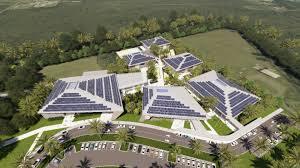
Project fact sheet
Project: Caribbean education projects program
Value: $1.67 billion
Scope: schools construction, refurbishment, and expansion across multiple Caribbean states
Delivery model: phased design and build contracts
Client: Caribbean national governments and education ministries
Main contractor: Bouygues Bâtiment International (Bouygues Group)
Funding: public-private partnerships and multilateral financing institutions
Timeline: multi-year program, dependent on island-by-island approvals
Standards: climate-resilient, hurricane-resistant school infrastructure design
Status: early-to-mid implementation phase across participating territories
Geography: multiple island nations across the Caribbean region
Design focus: resilient classrooms, ICT integration, and energy efficiency
Procurement: competitive international tendering with government oversight
Construction approach: modular methods to accelerate delivery timelines
Risk management: supply chain and climate resilience considerations
Community impact: improved access to quality education facilities
Project team
Project owners:
- Government of The Bahamas (Ministry of Education and Technical & Vocational Training)
- Participating Caribbean governments through respective Ministries of Education and Public Works
Sponsors:
- Government of The Bahamas
- Regional education infrastructure program backed by sovereign guarantees
Lead contractor: Bouygues Bâtiment International (subsidiary of Bouygues Group)
EPC / construction partners:
- Bouygues global construction divisions
- Regional joint venture partners (to be confirmed per island contract packages)
Subcontractors:
- Prequalified local contractors in The Bahamas and other Caribbean states
- Specialist trades firms for MEP, civil works, and finishing
Engineering consultants:
- Bouygues engineering units
- International engineering consultants (typically including firms such as Egis Group on similar Bouygues-led projects, subject to final disclosure)
Architects and designers:
- International school design specialists
- Local Caribbean architectural firms aligned with Ministry standards
Program manager: Bouygues international project management division
Financing partners:
- Inter-American Development Bank (IDB)
- Caribbean Development Bank (CDB)
- Export credit agencies supporting French contractors
- Commercial lenders under PPP structures
PPP advisory and transaction support:
- Government PPP units in The Bahamas
- International financial and legal advisory firms
Oversight authorities:
- Ministry of Education, The Bahamas
- Ministry of Public Works, The Bahamas
- National procurement and regulatory authorities
Sustainability and resilience advisors:
- Climate-resilient infrastructure consultants aligned with Caribbean building codes
- Environmental and social impact assessment (ESIA) specialists
Quality assurance and compliance: Independent certifiers and engineering auditors appointed under PPP agreements
Technology partners: Building Information Modelling (BIM) providers integrated within Bouygues digital construction systems
Workforce development partners:
- Bahamas Technical and Vocational Institute (BTVI)
- Regional training institutions supporting construction skills development
Logistics and supply chain partners:
- Caribbean shipping and freight operators
- Regional construction material suppliers and import distributors


Leave a Reply