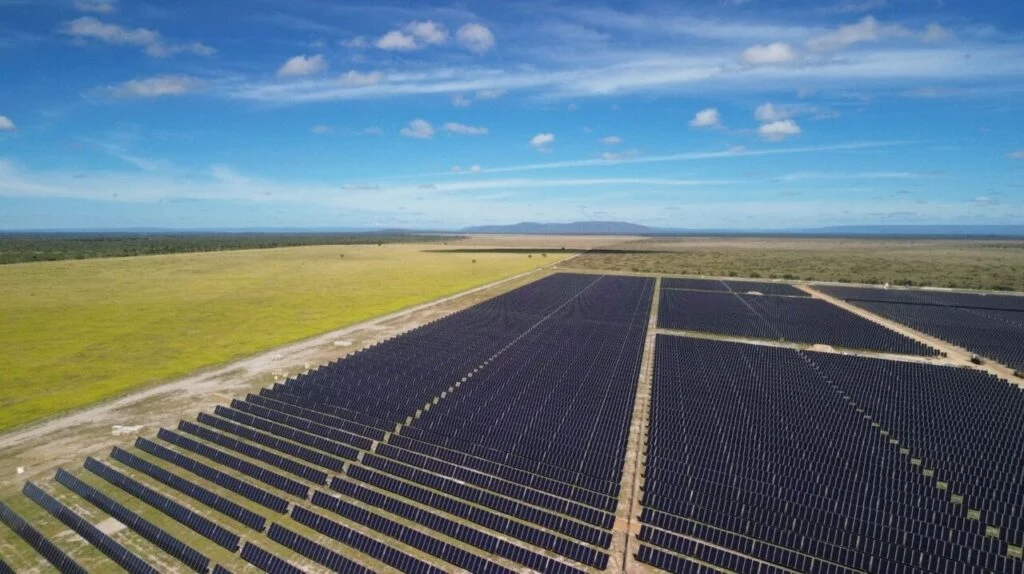
Atlas Renewable Energy has taken a significant step toward its ambitious target of installing 1 gigawatt (GW) of renewable capacity in Colombia by signing a new Power Purchase Agreement (PPA) with a leading Colombian electricity trading company. The agreement underpins the development of the El Campano solar power plant, a new utility-scale facility located in the northern region of the country. This project marks the company’s second major solar asset to enter the construction phase in Colombia, following the successful commissioning of its inaugural Shangri-La project in Tolima. The move reinforces Atlas’s commitment to strengthening the national power grid while addressing the country’s surging demand for reliable electricity.
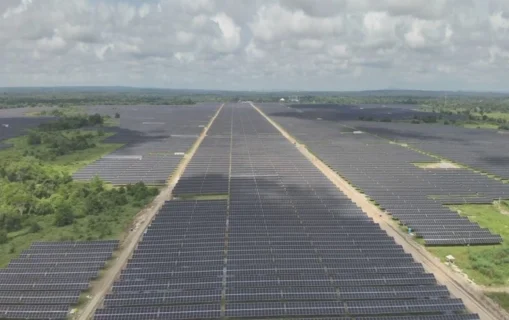
Designed with an installed capacity of 128 megawatts peak (MWp), El Campano is expected to generate approximately 245 gigawatt-hours (GWh) of clean electricity annually once it reaches commercial operation, which is targeted for the end of 2027. This output is sufficient to power more than 110,000 Colombian households, providing a critical infusion of energy into the national system. The project was previously awarded to Atlas Renewable Energy during Colombia’s 2024 Reliability Charge Auction, a mechanism designed to secure firm energy supply and mitigate the risks of power shortages during periods of drought or high demand.
El Campano Solar Project: Factsheet
Developer: Atlas Renewable Energy
Location: Northern Colombia
Project Name: El Campano
Installed Capacity: 128 MWp
Annual Generation: ~245 GWh
Power Equivalent: >110,000 households
Commercial Operation Date: End of 2027 (Target)
Contract Type: Long-term Power Purchase Agreement (PPA)
Environmental Impact: ~38,200 tonnes of CO₂ avoided annually
Strategic Context:
Awarded in 2024 Reliability Charge Auction.
Part of Atlas’s goal to reach 1 GW capacity in Colombia.
Second utility-scale project after Shangri-La.
Social Initiatives: Implementation of “We Are Part of the Same Energy” workforce training program.
The development of El Campano is not just an expansion of capacity but a strategic maneuver to diversify Colombia’s energy matrix, which has historically been heavily reliant on hydropower. By integrating large-scale solar generation, the project enhances the resilience of the grid against climate variability. Rubén Borja, Country Manager for Atlas Renewable Energy Colombia, emphasized that the project reflects the company’s focus on executing strategic generation assets that deliver tailored solutions to clients. He noted that this new venture builds on the confidence established by the rapid and successful delivery of the Shangri-La plant, demonstrating Atlas’s operational excellence in the region.
Sustainable Impact and Local Value Creation
Beyond its contribution to energy security, the El Campano project is projected to have a substantial environmental impact, avoiding the emission of approximately 38,200 tonnes of CO₂ per year. This reduction aligns with Colombia’s broader decarbonization goals and supports the transition toward a more sustainable economic model. The facility will be constructed with a focus on high technical and environmental standards, ensuring that it serves as a long-term, resilient asset for the national infrastructure. The consistent output from the plant will help stabilize energy prices and provide a competitive alternative to fossil-fuel-based generation.
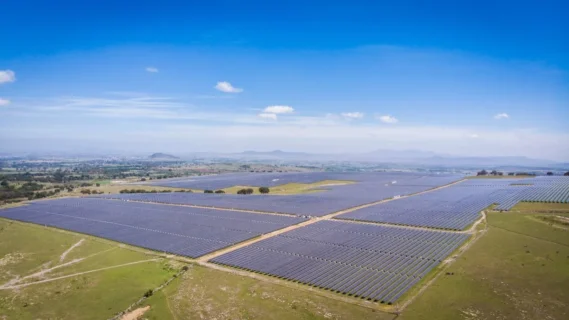
Atlas Renewable Energy is also prioritizing social sustainability through its construction strategy, which includes a strong commitment to local value creation. The project will actively promote the hiring and training of local labor, ensuring that the economic benefits of the investment remain within the region. A cornerstone of this approach is the implementation of the company’s flagship social program, “Somos Parte de la Misma Energía” (We Are Part of the Same Energy). This initiative focuses on fostering community participation in the renewable sector, with a specific emphasis on technical training and employment opportunities for underrepresented groups.
The success of this social model was proven during the construction of the Shangri-La solar plant, where the program trained more than 140 women from 13 local communities. By replicating and expanding these efforts at El Campano, Atlas aims to increase female participation in utility-scale solar construction and boost regional development. As the company continues to consolidate its footprint in Colombia, projects like El Campano serve as a blueprint for how international investment can drive both industrial growth and social progress in the Latin American energy transition—momentum further evidenced as Microsoft and Canadian Powertrust seal a deal for a 270 MW solar project in Mexico and Brazil. Under this partnership, the tech giant will purchase all renewable energy certificates (RECs) from a distributed portfolio of behind-the-meter and small-grid systems, a strategy designed to support its carbon-negative goals while delivering energy cost reductions and workforce training to underserved communities across the two nations.
Leave a Reply