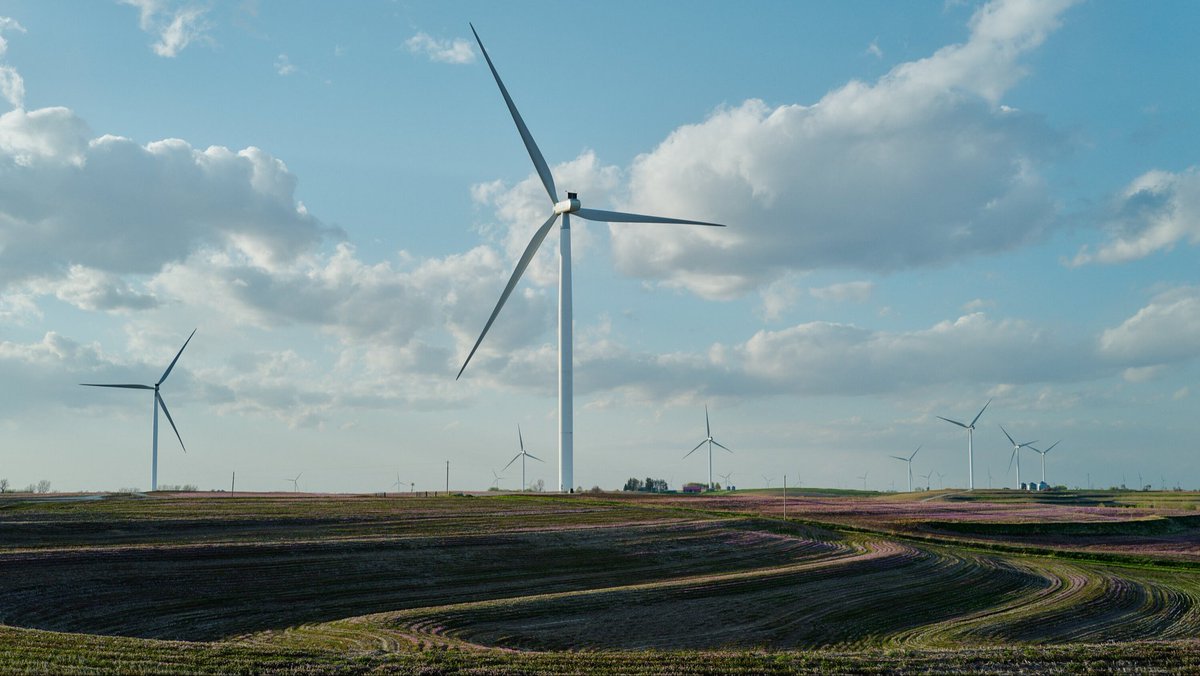
165 onshore wind farm projects on private land in the U.S. have been clamped down as the Pentagon cites national security concerns. The affected projects include developments awaiting final sign-off and others in negotiations. Furthermore, it includes others that would not typically require defense oversight. It added that the projects could total around 30GW of capacity, enough to power 15 million homes across the U.S.
Nonetheless, onshore wind farm developers have faced numerous setbacks as the Trump administration aims to disrupt the sector. Since August 2025, many have faced cancelled meetings and a halt to application processing, according to insight provided by Financial Times.
Some 35 projects had completed negotiations and were awaiting sign-off, while around 30 had verbal approvals pending written confirmation. Moreover, a further 50 projects are in negotiations and about 50 more that would likely have been deemed risk-free are also affected. Despite the top 5 biggest wind farms in the U.S. playing a fundamental role in contributing the nation’s energy mix, the Trump administration remains adamant in the fight against wind farms.
Outlook on the 165 Onshore Wind Farm Projects in U.S.
The 165 onshore wind farm projects in the U.S. are among others that have endured setbacks since Trump’s administration took over. The president and his administration faced setbacks of his own as a court approved continuation of five offshore wind farms he had stalled.
The Department of Defense is reviewing its processes for evaluating energy projects’ impact on national security, according to letters sent to developers in April. The move marks a significant escalation in efforts by the Trump administration to restrict wind energy development in the US. “This is so unprecedented,” Jason Grumet, chief executive at the American Clean Power Association.
“The fact the administration is telling private landowners they’re not allowed to pursue economic activity and generate value from their property is hard to reconcile with conservative values.” Another tactic the administration is leveraging is buying out current wind farm developers and encouraging them to diversify into coal and gas-fired power projects such as the case of TotalEnergies.
Project Overview
- Project Name: U.S. Onshore Wind Projects (Defense Review Impact)
- Project Type: Onshore wind energy developments
- Capacity: ~30 GW (combined)
- Scale: 165 projects affected
- Purpose: Renewable power generation
- Status: Delayed / under federal review
Key Stakeholders
- Government: U.S. Department of Defense
- Administration: Donald Trump
- Industry Body: American Clean Power Association
- Example Developer: TotalEnergies
Location
- Country: United States
- Sites: Multiple locations on private land
Scope
- 165 onshore wind farm projects
- Includes approved, pending, and negotiating developments
- Projects across various stages of permitting
Funding / Delivery Model
- Privately developed renewable projects
- Dependent on federal approvals and permits
- Subject to national security review processes
Status
- Application processing slowed or halted
- Some projects awaiting final sign-off
- Others still in negotiation stages
Key Risks & Challenges
- National security-related restrictions
- Regulatory uncertainty and delays
- Policy shifts affecting renewable investment
Strategic Significance
- Represents large portion of U.S. wind pipeline
- Potential to power ~15 million homes
- Highlights tension between energy policy and security concerns
Key Developments
- Pentagon reviewing project approval processes
- ~35 projects awaiting sign-off; ~30 pending confirmation
- Additional projects in negotiation or indirectly affected


Leave a Reply