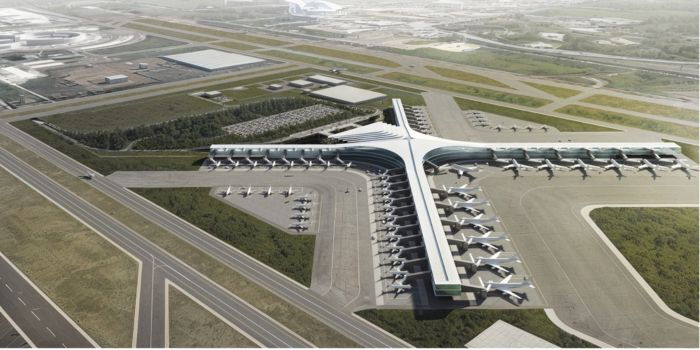
JKIA upgrade project has moved into a new phase after Kenya awarded a $2.9 billion contract for the modernization and expansion of Jomo Kenyatta International Airport. The project forms part of a long-term strategy to increase airport capacity, improve passenger experience, and strengthen Nairobi’s position as East Africa’s leading aviation hub. The award follows the collapse of the previous Adani-led proposal and signals the government’s renewed push to deliver one of Kenya’s largest aviation infrastructure projects.
The contract reportedly went to China Communications Construction Company (CCCC), a major state-owned infrastructure contractor with an extensive portfolio in transport projects. The government has not yet issued a formal announcement. However, multiple reports indicate that the award has been finalized under the National Infrastructure Fund (NIF), which will support financing for the development.
The project arrives as passenger and cargo traffic continue to place pressure on JKIA’s existing facilities. Consequently, authorities have prioritized capacity expansion and operational efficiency to maintain Kenya’s competitiveness in regional aviation.
JKIA Upgrade Project: Contract to Deliver Phased Airport Expansion
The contract of JKIA upgrade project will follow a 20-year master plan extending to 2045. The plan outlines phased infrastructure development, capital investment requirements, and long-term financial projections for Kenya’s primary international gateway.
During the first phase, contractors will upgrade existing airport infrastructure. Works will include improvements to taxiways, terminal processing areas, landside access roads, and digital passenger systems. These interventions aim to increase annual passenger capacity to 12 million within approximately 18 months.
In addition, the modernization program seeks to reduce congestion that currently affects terminal operations, apron utilization, and runway efficiency. Government studies identified these constraints as major barriers to future growth. Therefore, officials concluded that significant investment was necessary to support rising demand.
The airport currently serves as a critical hub for passenger and cargo movements across Africa. As a result, any capacity limitations have wider implications for trade, tourism, and regional connectivity.
JKIA upgrade project: Contract Supports Long-Term Aviation Growth
The second phase of the JKIA upgrade project will introduce major new infrastructure. Planned works include a 4,500-metre parallel runway and a new 230,000-square-metre passenger terminal. Together, these facilities could accommodate an additional 10 million passengers annually.
Furthermore, the proposed terminal will feature a modern design aimed at improving passenger circulation and operational efficiency. The expansion will also include upgraded baggage handling systems and enhanced air traffic control infrastructure.
The development comes as regional competitors invest heavily in aviation infrastructure. Ethiopia is advancing Bishoftu International Airport, while Rwanda continues work on Bugesera International Airport. Consequently, Kenya views the JKIA modernization program as essential to retaining its hub status within East Africa.
President William Ruto previously indicated that construction would begin in June 2026 after the government secured seed funding through the National Infrastructure Fund. Therefore, industry stakeholders will closely monitor procurement, financing, and implementation milestones over the coming months.
The project also represents a return to large-scale infrastructure delivery involving Chinese contractors. Several landmark Kenyan transport projects have relied on Chinese expertise over the past decade. Therefore, the JKIA expansion could become another defining infrastructure development for the country’s transport sector.
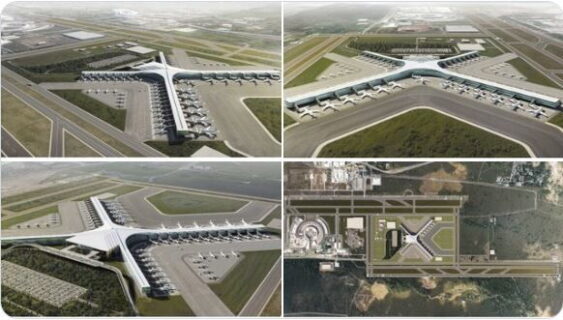
Project Fact Sheet
Name: JKIA Upgrade Project
Location: Jomo Kenyatta International Airport, Nairobi, Kenya
Value: KSh375.4 billion ($2.9 billion)
Project Type: Airport modernization and expansion
Delivery Model: National Infrastructure Fund-supported development
Master Plan Period: 2026–2045
Phase One Works:
- Taxiway upgrades
- Terminal processing improvements
- Landside access enhancements
- Digital systems modernization
Target Capacity(Phase One): 12 million passengers annually
Phase Two Works:
- New 4,500-metre parallel runway
- New 230,000-square-metre passenger terminal
- Enhanced baggage handling systems
- Air traffic control upgrades
Additional Capacity: 10 million passengers annually
Current Status: Contract awarded; construction expected to commence in 2026
Strategic Objective: Strengthen Nairobi’s position as a regional aviation hub
Project Team
Client: Government of Kenya
Project Owner: Kenya Airports Authority
Contracting Authority: State Department for Aviation and Aerospace Development
Lead Contractor: China Communications Construction Company
Funding Vehicle: National Infrastructure Fund
Key Stakeholder: Ministry of Roads and Transport
Aviation Regulator: Kenya Civil Aviation Authority
Airport Hub Airline: Kenya Airways
Supporting Stakeholders:
- Airlines operating at JKIA
- Cargo operators
- Ground handling companies
- Local subcontractors
- Engineering consultants
- Technology systems providers



Leave a Reply