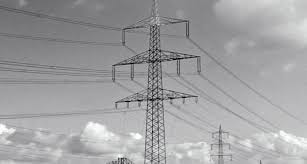
Construction has officially begun on a major transmission infrastructure program in California’s Bay Area as LS Power moves forward with a $2 billion investment aimed at improving grid reliability and supporting rising electricity demand across Alameda and Santa Clara counties.
LS Power Grid on May 20, 2026 marked the start of construction with groundbreaking ceremonies in San José and Fremont for the Power Santa Clara Valley and Power the South Bay projects, part of a broader “Power the Bay” transmission initiative designed to strengthen the region’s electric grid and increase access to power resources in one of the country’s largest technology and industrial hubs.
According to the developer, the combined projects will be capable of transmitting up to 1,000 megawatts of electricity — enough to serve approximately 750,000 homes — while supporting California’s long-term grid modernization and clean energy goals.
The investment comes as electricity demand continues to rise across Silicon Valley and the broader Bay Area due to population growth, data center development, electrification, and increasing industrial power consumption. Transmission expansion has become a major focus for utilities and grid operators seeking to improve reliability while integrating larger volumes of renewable energy into California’s power system.
Two Major Transmission Projects Under Construction
The Power Santa Clara Valley project will deploy high-voltage direct current (HVDC) technology to connect two new converter terminals, known as Skyline and Grove, through a 12-mile underground transmission line in San José.
HVDC systems remain relatively uncommon in the United States but are increasingly viewed as valuable for dense urban environments because they allow grid operators to manage power flows with greater precision and efficiency compared with traditional alternating current transmission systems.
The second project, Power the South Bay, includes construction of a new 12-mile 230-kilovolt transmission line linking Fremont and Santa Clara. Portions of the route will be underground while other sections will use overhead infrastructure.
Together, the projects are intended to create new high-capacity transmission pathways within the Bay Area, reducing congestion risks and improving operational flexibility for the California grid.
Selected Through Competitive California ISO Process
The projects were awarded to LS Power Grid California through competitive selection processes overseen by the California Independent System Operator under rules established through Federal Energy Regulatory Commission Order No. 1000.
The company said the California ISO selected LS Power Grid California in 2023 from multiple qualified proposals based on cost effectiveness and delivery reliability. A third Bay Area transmission development, the Power the Valley Connector Project, was also awarded to the company in 2026.
LS Power executives said the company has now secured seven competitive transmission awards from the California ISO since 2020, representing more than $2.5 billion in planned infrastructure investment across the state.
Economic and Community Impact
In addition to grid upgrades, LS Power estimates the transmission projects will generate more than $650 million in local and state tax revenue over coming decades and create roughly 300 union construction jobs during the buildout phase.
The company has also committed funding for local community initiatives tied to the projects. Since 2023, the Power the Bay developments have contributed more than $150,000 to local causes, according to LS Power.
As part of the Power the South Bay project, the developer also made a $2.5 million upfront payment to the City of Fremont for the use of city-owned land during construction. City officials said the funds will help support development of a new community center in Fremont’s Central Park.
Local officials described the projects as critical infrastructure investments needed to accommodate the Bay Area’s growing electricity demand while supporting economic growth and grid modernization.
Broader California Grid Expansion
The Bay Area transmission program is part of LS Power Grid California’s wider expansion across the state.
The company said its Orchard Substation entered service in 2025 to support reliability in the San Joaquin Valley, while the Fern Road Substation is expected to begin operations in 2026.
LS Power expects multiple transmission projects across California to enter service by 2030 as the state continues investing in grid infrastructure needed to support renewable energy integration, electrification, and long-term reliability requirements.
Similar large-scale underground HVDC transmission developments are also advancing in the U.S., including the proposed SOO Green HVDC Link, which aims to connect Midwest renewable generation with eastern load centers.
Fact Sheet: LS Power’s $2 Billion Bay Area Transmission Expansion
Overview
- Developer: LS Power
- Program Name: Power the Bay Projects
- Total Investment: $2 billion
- Location:
- Alameda County, California
- Santa Clara County, California
-
Core Objectives:
- Improve grid reliability
- Support rising electricity demand
- Expand access to energy resources
- Support California clean energy goals
Main Projects
The Power Santa Clara Valley Project
- Technology:
- High-voltage direct current (HVDC)
- Route:
- 12-mile underground transmission line
- Location:
- San José, California
- Infrastructure:
- Connects two new converter terminals:
- Skyline
- Grove
- Connects two new converter terminals:
- Key Benefit:
- Improved control of power flows and greater operational flexibility for the grid
Power the South Bay
- Voltage:
- 230-kV transmission line
- Length:
- 12 miles
- Route:
- Connects Fremont and Santa Clara
- Design:
- Combination of overhead and underground transmission infrastructure
- Purpose:
- Establish a new high-capacity transmission connection in the Bay Area
Power the Valley Connector Project
- Awarded:
- 2026
- Purpose:
- Additional Bay Area transmission expansion project selected by the California ISO
Transmission Capacity
- Combined Capacity:
- 1,000 megawatts (MW)
- Equivalent Service:
- Approximately 750,000 homes
Economic Impact
- Estimated Local and State Tax Revenue:
- More than $650 million over coming decades
- Construction Employment:
- Approximately 300 union jobs
Regulatory & Procurement Details
- Selected By:
- California Independent System Operator
- Selection Process:
- Competitive transmission solicitation under FERC Order No. 1000
- Competitive Results:
- Power Santa Clara Valley selected from 5 qualified proposals
- Power the South Bay selected from 6 qualified proposals
Community Benefits
- Community Donations Since 2023:
- More than $150,000 to local causes
- Fremont Community Investment:
- $2.5 million upfront payment for use of city-owned property
- Planned Use of Fremont Funds:
- Support development of the new Central Park Community Center
- Additional Financial Commitments:
- Annual franchise fees to:
- San José
- Fremont
- Santa Clara
- Annual franchise fees to:
Additional California Infrastructure Projects
Orchard Substation
- Status:
- Energized in 2025
- Purpose:
- Supports reliability in the San Joaquin Valley
Fern Road Substation
- Expected In-Service Date:
- 2026
Bay Area Transmission Projects: Long-Term Outlook
- LS Power expects multiple transmission projects across California to enter service by 2030 as the state continues expanding infrastructure to support:
- Renewable energy integration
- Electrification
- Grid modernization
- Long-term reliability needs
About LS Power/LS Power Grid
LS Power is a premier development, investment, and operating company focused on the North American power and energy infrastructure sector, with leading platforms across generation, transmission and energy expansion solutions. Through its transmission business, LS Power Grid, the company has built 780+ miles of high-voltage transmission systems with another 400+ miles in development. LS Power Grid develops, owns, and operates high-voltage transmission systems that span 5 RTOs/ISOs and help support energy planning across 28 states, serving over 185 million people.

Leave a Reply