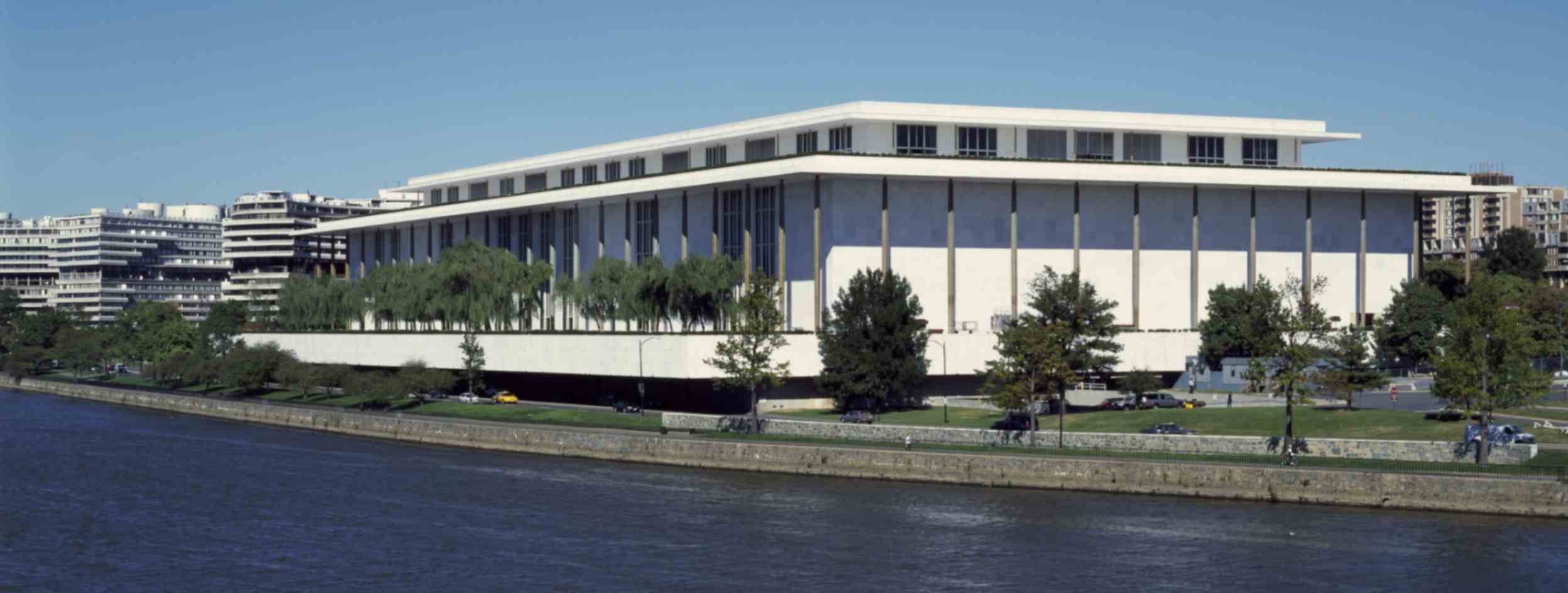
Kennedy Center rehab marks a major turning point for the iconic U.S. performing arts venue. The board has approved a sweeping overhaul valued at $257 million, targeting aging infrastructure and critical system failures. Consequently, the project will require a full shutdown lasting approximately two years. Moreover, the move signals both an engineering necessity and a broader institutional transformation.
Kennedy Center rehab Scope and shutdown plan
Firstly, the board unanimously approved the rehabilitation plan during a high-level meeting. Subsequently, officials confirmed the facility will close after the July 4 celebrations. The project will replace outdated HVAC systems, electrical networks, and chilled water infrastructure. In addition, crews will address structural weaknesses, waterproofing failures, and life-safety deficiencies.
Because of the scale, contractors require full building access. Therefore, the two-year shutdown allows efficient sequencing of complex mechanical and structural works. Meanwhile, leadership framed the decision as essential to prevent further deterioration. Moreover, officials emphasized that the facility’s systems have reached the end of their service life.
Engineering priorities driving the Kennedy Center rehab
Importantly, engineers identified multiple critical deficiencies across the 1971-built facility. These include failing HVAC units, aging electrical systems, and compromised service tunnels. Furthermore, structural elements and waterproofing systems require extensive intervention. As a result, the project approaches a near full systems replacement rather than isolated repairs.
Additionally, the rehabilitation will enhance life-safety systems to meet modern codes. This includes upgrades to fire protection, emergency systems, and building resilience. Consequently, engineers consider the shutdown unavoidable given the integration of these systems. Furthermore, the work demands uninterrupted access across all facility zones.
Funding, approvals and emerging scrutiny
The project draws funding largely from federal allocations totaling about $256.7 million. Most funds are earmarked for capital repair and restoration works. However, lawmakers have raised concerns about the scale of intervention. Some argue the scope exceeds documented repair needs and lacks sufficient consultation.
At the same time, legal challenges have emerged regarding authority over the project. A federal lawsuit questions whether such extensive redevelopment requires congressional approval. Nevertheless, the board’s approval clears a major procedural hurdle. Therefore, project planning can advance toward execution despite ongoing scrutiny.
Broader transformation and industry implications
Beyond engineering upgrades, the project aligns with a broader vision to reposition the venue. Leaders aim to deliver a modernized, world-class performing arts facility. Meanwhile, the shutdown has triggered industry reactions. Several performances have faced cancellations, while stakeholders debate the cultural and political implications.
Additionally, the timeline could affect programming continuity and workforce stability. However, proponents argue the long-term benefits outweigh temporary disruptions. Ultimately, the project represents one of the most significant overhauls in the center’s history. Its success will depend on execution efficiency, stakeholder alignment, and funding clarity.
Similarly, large-scale infrastructure upgrades across the United States continue to prioritize modernization of aging assets. For instance, the Los Angeles International Airport modernization project highlights how comprehensive system upgrades and phased redevelopment strategies enhance performance, safety, and long-term operational efficiency.
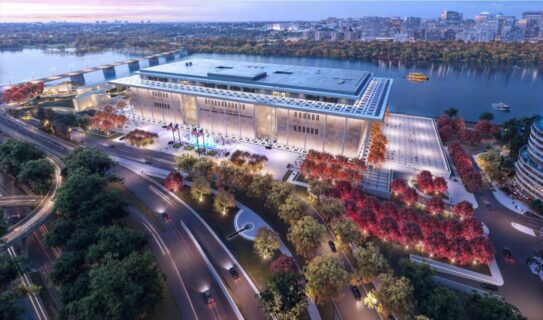
Project Fact Sheet
Project Name: Kennedy Center Rehabilitation Project
Location: Washington, D.C., USA
Project Value: $257 million
Client/Owner: Kennedy Center Board of Trustees
Project Type: Cultural / Performing Arts Facility Rehabilitation
Scope: Full systems overhaul including HVAC, electrical, structural, waterproofing, and life-safety upgrades
Timeline:
- Approval: March 2026
- Shutdown Start: July 2026 (post-Independence Day)
- Duration: Approximately 2 years
- Expected Reopening: 2028
Key Works:
- Replacement of HVAC and chilled water systems
- Electrical infrastructure modernization
- Structural reinforcement and repairs
- Waterproofing upgrades
- Service tunnel rehabilitation
- Life-safety system upgrades
Funding Source: U.S. federal allocation (approx. $256.7 million)
Procurement Status: Approved, pre-construction planning underway
Project Team
Owner/Client: Kennedy Center Board of Trustees
Project Sponsor: U.S. Federal Government
Oversight & Governance:
- Kennedy Center Leadership
- Federal stakeholders and congressional oversight bodies
Design & Engineering: To be confirmed (expected involvement of multidisciplinary engineering consultants specializing in MEP and structural systems)
Main Contractor: Yet to be appointed
Specialist Contractors (Anticipated):
- Mechanical (HVAC systems replacement)
- Electrical infrastructure contractors
- Structural rehabilitation specialists
- Waterproofing and envelope experts
- Life-safety system integrators
Legal & Regulatory Stakeholders:
- U.S. District Court (ongoing litigation oversight)
- Congressional oversight representatives
Key Stakeholders:
- Performing arts organizations
- National Symphony Orchestra affiliates
- Cultural programming partners
Leave a Reply