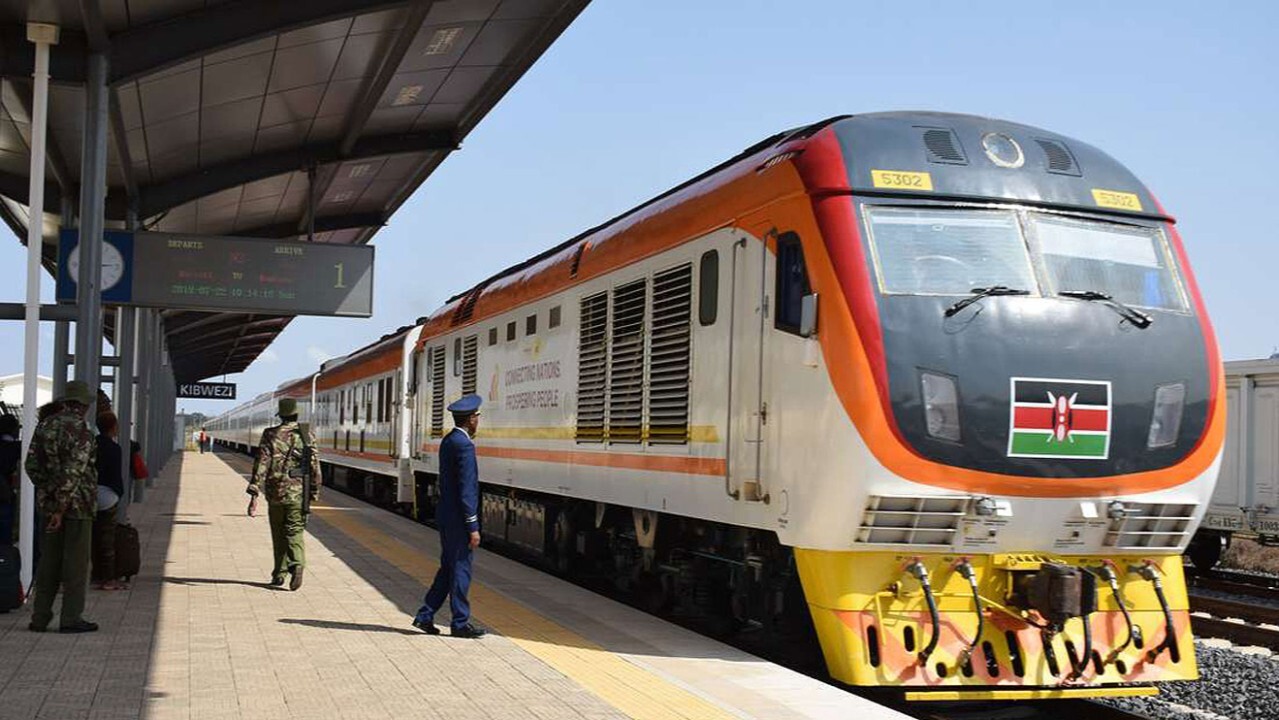
SGR extension to Kisumu will break ground in March 2026 as Kenya moves to expand its Standard Gauge Railway (SGR) network toward the western corridor. President William Ruto is expected to preside over the launch ceremony, signaling renewed momentum for the long-delayed railway phase.
The project forms part of Phase 2B from Naivasha to Kisumu, while Phase 2C will later extend the line to Malaba at the Uganda border. Consequently, western Kenya will gain direct integration into the national SGR grid.
SGR Extension to Kisumu Scope and Alignment
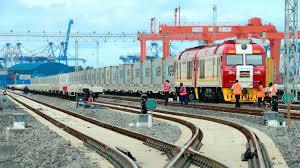
The SGR extension to Kisumu will span approximately 264km from Naivasha through Narok, Bomet and Nyamira counties before reaching Kisumu. According to Kenya Railways Corporation, the alignment also includes an 8.68km branch line linking to Kisumu Port.
Engineers designed the corridor to handle both freight and passenger services. Moreover, planners structured the infrastructure to support future electrification, although diesel locomotives will operate initially.
Phase 2C will subsequently extend the railway from Kisumu to Malaba. Therefore, the broader corridor will strengthen Kenya’s trade connectivity with Uganda and neighboring markets.
The SGR extension to Kisumu complements ongoing developments across Kenya’s railway network. For instance, the Mombasa SGR Terminus and 26‑Kilometer CBD Rail Link Line demonstrates how urban rail integration supports both passenger and freight efficiency, providing context for the strategic role of western corridor expansion.
Funding Structure of the SGR Extension to Kisumu
The SGR extension to Kisumu carries an estimated cost of approximately $2 billion for the combined western phases. The Government of Kenya will finance the project primarily through national allocations, while select components may adopt Public-Private Partnership models.
Officials confirmed that preparatory works, including land acquisition and valuation, are ongoing. Meanwhile, stakeholder engagement forums continue across affected counties to streamline compensation processes.
Engineering and Civil Works Details
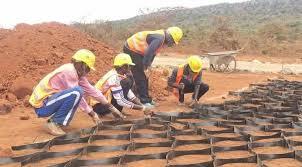
The railway incorporates significant structural works across varied terrain. Specifically, the project features 79 bridges covering roughly 43km in combined length. Additionally, eight tunnels will extend about 14.26km in total. The design also includes 376 culverts spanning approximately 7km.
The corridor will host 26 stations, including one major station and several intermediate and crossing facilities. As a result, operational efficiency and freight turnaround times are expected to improve. Freight trains will transport loads of up to 4,000 tones. Consequently, logistics costs along the western corridor should decline once operations commence.
Economic and Regional Impact
The SGR extension to Kisumu will enhance Kenya’s position within the Northern Corridor transport network. Furthermore, integration with Kisumu Port will support multimodal cargo handling around Lake Victoria.
Regional trade with Uganda, Rwanda, South Sudan and the Democratic Republic of Congo is expected to benefit. Therefore, Kisumu is poised to evolve into a strategic inland logistics hub.
The project will also generate employment during construction and operation phases. In addition, local suppliers and contractors will participate in materials sourcing and service delivery.
Community Engagement and Implementation Plan
Authorities have intensified consultations with Project Affected Persons across the corridor. Consequently, compensation frameworks are being implemented to minimize disputes before full construction mobilization.
Government agencies aim to maintain transparency throughout acquisition and relocation procedures. As a result, officials expect smoother execution once civil works accelerate after the March 2026 groundbreaking.
The March 2026 launch marks a decisive step toward expanding Kenya’s railway infrastructure westward. As implementation advances, the SGR extension to Kisumu is expected to reshape freight logistics and regional connectivity across East Africa.
Project Fact Sheet: SGR Extension to Kisumu
- Project Name: Standard Gauge Railway (SGR) Phase 2B – Naivasha to Kisumu
- Extended Phase: Phase 2C – Kisumu to Malaba
- Groundbreaking Date: March 20, 2026
- Estimated Cost: $2 Billion (combined western corridor phases)
- Total Length: 264km (Phase 2B) plus extension to Malaba
- Branch Line: 8.68km link to Kisumu Port
- Bridges: 79 (43km combined length)
- Tunnels: 8 (14.26km combined length)
- Culverts: 376 (7km combined length)
- Stations: 26 (1 major, 6 intermediate, multiple crossing stations)
- Freight Capacity: Up to 4,000 tones per train
- Traction: Diesel initially; electrification-ready design
- Funding Model: Government of Kenya with PPP elements
SGR Extension to Kisumu: Project Team
- Project Owner: Government of Kenya – oversees financing and strategic direction
- Implementing Agency: Kenya Railways Corporation – overall project management, coordination, and implementation
- Land Acquisition & Compensation: National Land Commission (NLC) – manages land valuation, acquisition, and Project Affected Persons (PAPs) compensation
- County Governments: Narok, Bomet, Nyamira, Kisumu – stakeholder engagement, local approvals, and community coordination
- Design & Supervision Consultants: Independent engineering and technical firms contracted through KRC tender processes – responsible for design review, civil works supervision, and quality assurance
- Funding Partners: Government of Kenya – primary financier; Public-Private Partnerships may be invited for select project components
- Community Liaison Teams: County and KRC-appointed teams – handle local engagement, grievance resolution, and awareness campaigns
Leave a Reply