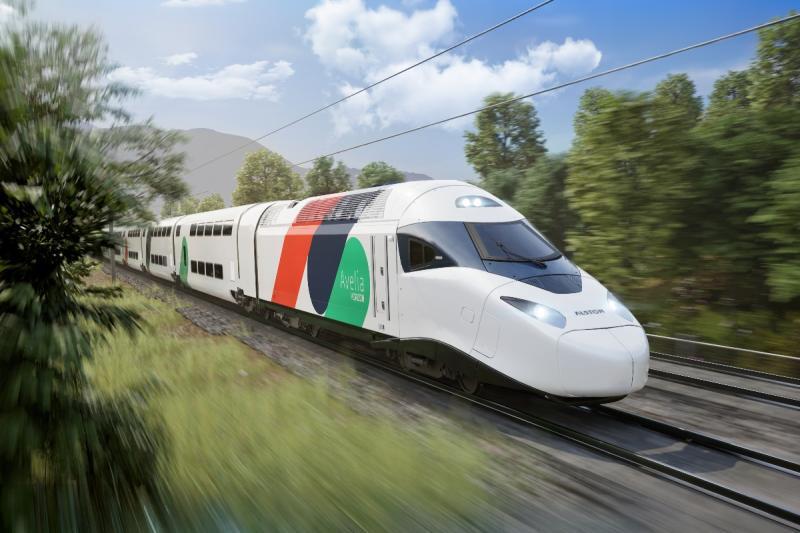
A $4B contract for the Logan and Gold Coast Faster Rail Project has been awarded in Australia. The contract is for the expansion of capacity and improvement of connectivity between Brisbane and the Gold Coast. The project leads Queensland’s transport upgrade strategy, and authorities have now awarded the major rail works package to a global consortium under an alliance structure. Consequently, construction activity will accelerate from 2026, aligning with long-term mobility and event planning goals.
The project targets rising commuter demand across South East Queensland, while supporting preparations for the 2032 Brisbane Olympic Games. Therefore, the works will deliver additional tracks, modern stations, and safer crossings along a critical transport corridor. In turn, this upgrade will strengthen regional connectivity and reduce travel time pressures across the network.
Early contractor involvement has already begun, and stakeholders continue to refine design and delivery frameworks. Meanwhile, the contract, valued at approximately $4 billion, reflects sustained public investment in large-scale rail infrastructure across Australia.
Logan and Gold Coast Faster Rail Contract Strengthens Alliance Delivery
The Logan and Gold Coast Faster Rail $4 billion railway contract in Australia has been awarded to the ActivUs Alliance, which combines international and domestic expertise. The consortium includes CPB Contractors and UGL, both part of the CIMIC Group, alongside Acciona, SMEC, and WSP.
Moreover, the alliance delivery model integrates contractors, engineers, and government stakeholders into a unified decision-making structure. As a result, the approach improves coordination, accelerates design development, and mitigates construction risks across complex rail works. Therefore, project partners can respond faster to evolving site and operational requirements.
CPB Contractors and UGL have commenced early works, including mobilization, site preparation, and initial civil activities. At the same time, Acciona contributes global rail construction experience, while SMEC leads engineering design and project management services. Additionally, WSP provides multidisciplinary engineering, planning, and systems integration expertise across the corridor.
This collaborative framework ensures alignment on performance, safety, and delivery outcomes. Consequently, the project sets a benchmark for integrated rail construction delivery in Australia.
Logan and Gold Coast Faster Rail Expands Capacity and Connectivity
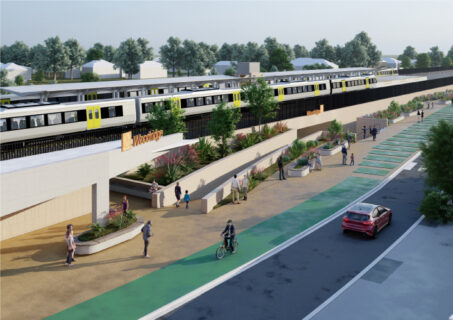
The Logan and Gold Coast Faster Rail project will expand a key section of the rail corridor between Kuraby and Beenleigh, covering approximately 20 kilometers. Specifically, the upgrade will increase capacity by adding two additional tracks, thereby enabling more frequent and reliable services. Furthermore, the project includes significant station upgrades at locations such as Woodridge, Bethania, and Holmview. These improvements will enhance accessibility, improve passenger flow, and support modern transport standards. In addition, upgraded facilities will accommodate future demand growth across the region.
Level crossing removals form another critical component of the project, as they will improve safety and reduce delays for road and rail users. Meanwhile, new pedestrian and cycling infrastructure will strengthen local connectivity and encourage active transport options.
As construction progresses, the project will generate employment opportunities and stimulate economic activity across surrounding communities. Therefore, the development delivers both immediate construction benefits and long-term operational gains. Overall, the project represents a strategic investment in Queensland’s transport infrastructure. With delivery underway, the corridor will support faster, safer, and more efficient rail services for decades.
In parallel, Australia continues to advance other transformative rail investments, including the Melbourne to Brisbane Inland Rail project, a 1,600–1,700 km freight corridor designed to strengthen national logistics connectivity. The project, delivered in multiple phases, combines new track construction and upgrades to existing lines to enable double-stacked trains and reduce transit time to under 24 hours between the two cities. This broader rail development pipeline highlights how the Logan and Gold Coast Faster Rail initiative complements long-distance freight infrastructure by improving passenger capacity and regional mobility within Queensland.
Project Fact Sheet: Logan and Gold Coast Faster Rail
Project Name: Logan and Gold Coast Faster Rail (LGC)
Location: South East Queensland, Australia (Kuraby to Beenleigh corridor)
Project Value: Approximately $4 billion (AUD 5.75 billion)
Client: Queensland Department of Transport and Main Roads; Queensland Rail
Procurement Model: Project Alliance (ActivUs Alliance)
Scope of Works:
- Expand rail corridor from two to four tracks over approximately 20 kilometres
- Upgrade multiple stations to modern accessibility and capacity standards
- Remove key level crossings to improve safety and reduce congestion
- Deliver new pedestrian and cycling infrastructure along the corridor
- Enable future signaling and rail system enhancements
Timeline:
- Early works and mobilization: 2026
- Main construction phases: 2026 to late 2020s (phased delivery)
Funding Structure: Joint funding by the Australian Government and Queensland Government under a 50:50 arrangement
Project Team
Alliance: ActivUs Alliance
Consortium Members:
- CPB Contractors – Lead civil engineering and rail infrastructure delivery
- UGL – Rail systems, mechanical, and electrical installation
- Acciona – Rail construction and engineering execution
- SMEC – Engineering design and project management
- WSP – Multidisciplinary engineering and systems integration
Government Stakeholders:
- Queensland Department of Transport and Main Roads – Project owner and delivery authority
- Queensland Rail – Network operator and technical partner
Key Delivery Objectives:
- Increase rail capacity and improve service reliability
- Enhance passenger safety and station accessibility
- Support population growth across South East Queensland
- Prepare transport infrastructure for future global events, including Brisbane 2032 Olympics

Leave a Reply