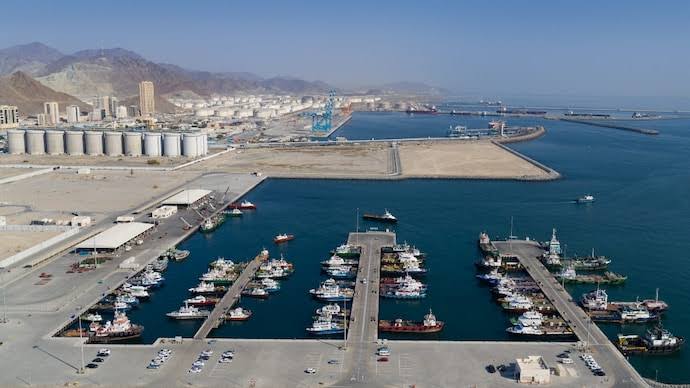
UAE Gulf Oman ports project is emerging as one of the country’s most strategic infrastructure investments after plans advanced to expand eastern ports and energy hubs outside the Strait of Hormuz. The initiative will strengthen trade resilience, improve crude oil exports, and reduce dependence on one of the world’s busiest maritime chokepoints.
The programme includes new port facilities, expanded logistics infrastructure, and additional oil export capacity centered on Fujairah, Dibba, and Khor Fakkan. While officials have not released an official budget, industry analysts estimate the combined investment could exceed $5 billion as supporting transport and energy infrastructure develops.
The construction programme gained urgency after recent disruptions to shipping through the Strait of Hormuz highlighted vulnerabilities across Gulf supply chains. Consequently, the UAE has accelerated plans to relocate a greater share of exports to facilities facing the Gulf of Oman.
UAE Gulf Oman ports project strengthens eastern logistics corridor
The centrepiece of the programme is the planned development of a new port and container terminal in Fujairah. The emirate already operates an established harbour. However, additional marine infrastructure, storage facilities, and logistics assets remain necessary before it can function as a major alternative export gateway.
In addition, authorities intend to expand infrastructure at Dibba and Khor Fakkan. Together, these ports will create an integrated logistics network along the Gulf of Oman. The strategy also includes improved road, rail, pipeline, and industrial connections linking eastern ports with inland production facilities.
DP World will reportedly lead development of the new container terminal while supporting wider improvements across the eastern coastline. The investment also reduces pressure on Jebel Ali Port, which currently handles much of the country’s international container traffic.
Construction experts expect significant demand for marine engineering, dredging, quay construction, breakwaters, fuel storage terminals, utility installations, warehouses, and transport infrastructure. As a result, the programme could generate substantial opportunities for contractors throughout the Gulf region.
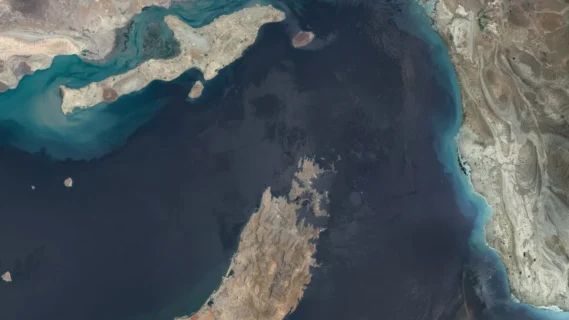
UAE Gulf Oman ports support long-term energy security
The ports programme complements the UAE’s parallel expansion of oil export infrastructure. ADNOC is accelerating work on an additional pipeline that will substantially increase crude export capacity through Fujairah by 2027. The existing Habshan-Fujairah pipeline already provides an alternative route that avoids the Strait of Hormuz.
Once completed, the second pipeline will reportedly double the country’s bypass export capacity to more than three million barrels per day. Therefore, the UAE will gain greater flexibility during future regional disruptions while supporting stable global energy supplies.
Government officials have also indicated that the long-term objective extends beyond emergency planning. Instead, the eastern logistics corridor will become a permanent component of the nation’s trade strategy. New industrial zones, petroleum facilities, transport links, and export terminals will support broader economic diversification alongside maritime growth.
Although security concerns remain across the region, the infrastructure programme demonstrates how geopolitical risks continue reshaping major construction priorities. Rather than relying on a single maritime gateway, the UAE is investing in resilient infrastructure capable of supporting future trade regardless of conditions within the Strait of Hormuz.
The UAE’s eastern ports strategy complements earlier investments that expanded capacity on the country’s western coastline. One notable example is the Khalifa Port expansion project, which increased container handling and strengthened Abu Dhabi’s position as a regional trade gateway.
Project Fact Sheet
Project name: UAE Gulf of Oman Ports and Oil Hubs Development Programme
Estimated investment: More than $5 billion (industry estimate for combined port, logistics, and supporting infrastructure)
Location:
- Fujairah
- Dibba, and Khor Fakkan
- United Arab Emirates
Project type: Port expansion, logistics infrastructure, oil export facilities
Development status: Planning and early development
Primary objective: Reduce dependence on the Strait of Hormuz
Major infrastructure:
- New container terminal
- Port expansion
- Storage terminals
- Logistics parks
- Road links
- Rail connections
- Pipeline infrastructure
Key construction works:
- Dredging
- Quay walls
- Breakwaters
- Fuel storage
- Marine terminals
- Utilities
- Warehouses
- Transport corridors
Expected completion: Phased delivery through 2027 and beyond
Economic impact: Improved trade resilience, stronger energy security, expanded export capacity, increased construction activity
Project Team
Project sponsor: Government of the United Arab Emirates
Lead port developer: DP World
Oil infrastructure developer: Abu Dhabi National Oil Company (ADNOC)
Strategic stakeholders: UAE Ministry of Energy and Infrastructure
Port authorities: Fujairah Port Authority and eastern port authorities
Funding: Government-backed investment with potential private sector participation
Operation: DP World and relevant UAE port authorities upon completion

Leave a Reply