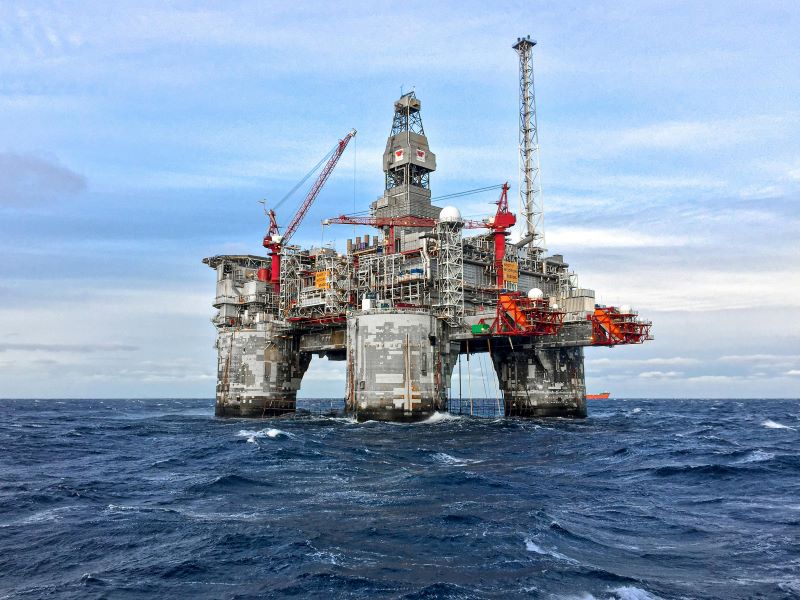
The energy world’s changing fast. And while everyone’s talking about going green, the petroleum industry isn’t just sitting around waiting to become obsolete. It’s adapting and evolving. Some of the changes happening right now are pretty remarkable.
Sure, oil companies have gotten a bad rap lately. But here’s the thing – they’re not just drilling and hoping for the best anymore. Five major shifts are reshaping how this industry operates, and they’re worth paying attention to.
Digital Transformation in Exploration and Production
Remember when finding oil meant educated guesswork and crossing your fingers? Those days are long gone.
Today’s petroleum companies are going full tech-mode. We’re talking AI that can read seismic data better than geologists who’ve spent decades in the field. Machine learning algorithms are crunching numbers that would take human teams months to analyze. And the results? They’re finding oil faster and cheaper than ever before.
Take predictive maintenance. Instead of waiting for equipment to break down (which always happens at the worst possible moment), IoT sensors now monitor everything 24/7. They can predict when a pump’s about to fail three weeks before it actually does. That’s not just convenient – it’s a game-changer for an industry where downtime costs millions.
But here’s what really gets me excited: digital twins. These aren’t just fancy computer models. They’re exact virtual replicas of real drilling operations that let companies test “what if” scenarios without risking actual equipment or people. Want to see what happens if you increase pressure by 15%? Run it in the digital twin first.
The companies embracing this tech aren’t just staying competitive – they’re leaving everyone else in the dust.
Embracing Sustainability and Environmental Responsibility
Okay, let’s address the elephant in the room. Oil companies going green sounds like an oxymoron, right? But it’s actually happening, and it’s not just for show.
Carbon capture and storage technology is getting real investment now. We’re not talking about pilot projects anymore – these are full-scale operations that can actually make a dent in emissions.
Some companies are even powering their operations with solar and wind. Ironic? Maybe. Effective? Absolutely.
Shell’s been particularly aggressive here. They’re not just talking about net-zero goals for 2050 – they’re putting serious money behind carbon capture projects right now. BP rebranded itself as “Beyond Petroleum” years ago, and they’re finally backing up that slogan with action.
The pressure isn’t just coming from environmentalists anymore. Investors want to see sustainability metrics. Governments are tightening regulations. And frankly, younger employees don’t want to work for companies that ignore climate change.
This isn’t charity work – it’s survival.
Shifting Global Energy Demand and Diversification
Electric vehicles are taking off, renewable energy’s getting cheaper, but global energy demand is still growing. It’s a puzzle that’s keeping petroleum executives up at night.
The smart companies aren’t fighting this trend – they’re riding it. Natural gas is becoming the bridge fuel everyone predicted it would be. It’s cleaner than coal, more reliable than renewables, and the infrastructure’s already there.
But the real bet? Hydrogen. Companies like ExxonMobil and Chevron are pouring billions into hydrogen production. It sounds crazy until you realize hydrogen could power everything from cargo ships to steel production – industries that can’t easily go electric.
The developing world’s another wild card. While California’s going all-electric, countries in Africa and Asia are just starting to build their energy infrastructure. That’s decades of growing demand, even as developed countries use less oil.
Technological Innovation in Enhancing Safety and Efficiency
Safety’s always been huge in petroleum, but now we’ve got the tech to actually do something about human error.
Autonomous vehicles are already transporting oil and gas in remote locations. No tired drivers, no judgment calls, just consistent, safe operation. Robots inspect pipelines in conditions that would be dangerous for humans. And blockchain’s starting to track products from wellhead to gas pump, making fraud nearly impossible.
The North Sea operations are probably the best example. What used to require dozens of workers on offshore platforms can now be done remotely from onshore control centers. Safer for workers, more efficient for companies.
The Role of Digital Payments in Industry Transactions
All this digital transformation means one thing: traditional payment methods can’t keep up.
Think about it. When you’re coordinating operations across multiple countries, dealing with suppliers on different continents, and processing thousands of transactions daily, you need payment systems that work as fast as everything else.
That’s where platforms like Paysafe come in. They’re not just processing payments – they’re enabling the kind of rapid, secure transactions that modern petroleum operations demand. When a company manages digital supply chains and real-time operations, payment delays aren’t just inconvenient – they’re operational risks.
The companies getting this right are the ones that’ll dominate the next decade.
Conclusion
The petroleum industry isn’t going anywhere anytime soon. But it’s definitely not the same industry it was even five years ago.
The winners will be the companies that embrace these changes instead of fighting them. Because ready or not, the future’s already here.
Leave a Reply