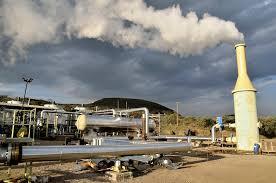
The Suswa geothermal power plant project has entered a decisive early phase after the government of Kenya approved feasibility studies for the planned 300MW development. The move allows technical and financial assessments to begin in Kenya as authorities seek to expand reliable baseload power. Moreover, the approval reflects a strategic push to reduce electricity supply gaps and limit reliance on imports during periods of hydropower shortfall.
Suswa geothermal power plant project feasibility studies unlock investment pathway
The Suswa geothermal power plant project will now proceed under feasibility studies led by the Geothermal Development Company. The approval followed clearance by the Public Private Partnership Unit, which endorsed the project concept note in March 2026. Consequently, the project advances into detailed technical, environmental, and financial evaluations.
The feasibility phase will determine the commercial viability of the geothermal resource in Suswa. In addition, it will guide structuring for private sector participation and long-term financing. Authorities expect the process to unlock large-scale investment opportunities in geothermal development.
The project will involve drilling 34 geothermal wells, including reinjection wells. Furthermore, investors will develop the steam field over a 10-year period. Afterward, the plant will generate electricity for at least 25 years, ensuring long-term energy supply stability.
Suswa geothermal power plant project targets phased output to meet demand
The Suswa geothermal power plant project will adopt a phased generation approach to accelerate early power delivery. Initial output is expected to begin around June 2027. The first phase will deliver between 50MW and 100MW to the national grid.
This early generation will support the grid operated by Kenya Power. As a result, the additional capacity will help meet rising demand from households and industries. Kenya has recently relied on electricity imports from Ethiopia and Uganda to stabilize supply during drought periods.
Therefore, expanding domestic geothermal generation remains a national priority. Geothermal energy provides consistent baseload power, unlike hydropower, which depends on rainfall patterns. Consequently, the Suswa project will strengthen energy security and reduce exposure to external supply risks.
Construction scope and long-term geothermal expansion strategy
The project will include drilling operations, steam gathering systems, and construction of the power plant. Additionally, developers will install turbines, generators, and grid connection infrastructure. These works will form the backbone of the 300MW facility.
The Suswa geothermal field holds an estimated potential of at least 750MW. Therefore, the current project represents the first phase of a larger development plan. Future expansions will build on the initial infrastructure to increase output capacity.
Geothermal energy remains one of the most cost-effective electricity sources in Kenya. Data indicates that geothermal power averaged about Sh9.48 per kilowatt-hour to June 2025. This cost advantage supports efforts to expand generation without significantly increasing tariffs.
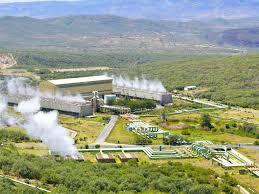
Meanwhile, ongoing geothermal developments across the Rift Valley continue to drive capacity growth. Key sites include Olkaria and Menengai, alongside Suswa. These projects position Kenya as a regional leader in geothermal energy production.
Meanwhile, Kenya continues to expand geothermal generation across the Rift Valley, with parallel developments reinforcing long-term capacity growth. Notably, the Menengai geothermal power plant project in Nakuru County has already progressed through phased implementation, with multiple 35MW plants under construction or operational as part of a wider complex targeting over 100MW in its initial phase. This ongoing rollout highlights how the Suswa project fits into a broader pipeline of geothermal investments aimed at delivering reliable, low-cost baseload power nationwide.
Project Fact Sheet
Project Name: Suswa Geothermal Power Plant Project
Location: Suswa, Narok County, Kenya
Capacity: 300MW (Phase 1)
Estimated Total Potential: 750MW (multi-phase development)
Estimated Cost: $900 million
Project Type: Geothermal power generation
Development Stage: Feasibility study approved (March 2026)
Project Approval: Public Private Partnership Unit
Implementing Agency: Geothermal Development Company
Energy Source: Geothermal (steam-based generation)
Key Components:
- Drilling of 34 geothermal wells (including reinjection wells)
- Steam field development (10-year period)
- Power plant construction and installation
- Transmission and grid connection infrastructure
Generation Timeline:
Initial output: Expected June 2027
First phase output: 50MW–100MW
Full generation lifecycle: 25 years
Procurement Model: Public-Private Partnership (PPP)
Objective: Enhance baseload power and reduce reliance on electricity imports
Project Team
Project Sponsor: Government of Kenya
Implementing Agency: Geothermal Development Company (GDC)
Approving Authority: Public Private Partnership Unit (PPP Unit)
Grid Operator: Kenya Power
Technical Advisors: To be appointed during feasibility phase
Environmental Consultants: To be engaged for ESIA compliance
Engineering Consultants: Pending procurement
EPC Contractors: To be selected through competitive international tender
Financiers: Expected participation from private investors and development finance institutions
Regulatory Bodies:
Local Stakeholders: Narok County Government, host communities

Leave a Reply