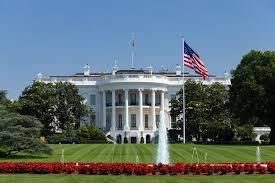
Trump White House makeover plans are reshaping the presidential residence and key Washington landmarks through an ambitious construction agenda. President Donald Trump has launched a wide-ranging redesign program covering the White House and several major cultural institutions. The initiative includes a proposed $400 million ballroom, extensive interior redesigns, and new monuments across the capital.
Supporters argue the projects will modernize Washington’s ceremonial core and improve event capacity. Critics, however, warn that heritage preservation and federal planning standards could face pressure. Nevertheless, the administration continues to move forward with architectural upgrades, landscaping changes, and civic redesign initiatives across the U.S. capital.
Expansion of Event Infrastructure
First, the centerpiece of the White House makeover is a proposed $400 million state ballroom at the presidential residence. The structure would replace the existing East Wing and dramatically expand event capacity. Currently, state dinners at the White House often require large temporary tents on the South Lawn. Therefore, the new ballroom aims to provide a permanent indoor venue for diplomatic receptions.
Moreover, the project proposes a 90,000-square-foot facility designed in a classical architectural style to match the historic residence. The ballroom would accommodate up to 1,000 guests, allowing larger state functions and international summits. Planners also intend to link the ballroom to the Executive Residence through a glass corridor.
Meanwhile, designers propose elaborate chandeliers, decorative columns, and reinforced security features within the structure. The facility will also include administrative offices and event preparation areas. Officials say private donors will finance the ballroom construction, reducing direct federal expenditure.
However, preservation groups remain concerned about removing the historic East Wing structure. Several architectural historians argue the change could alter the traditional layout of the presidential complex. Nevertheless, the administration maintains that the project respects the broader architectural identity of the White House.
White House Makeover Redesigns Interior Spaces
Beyond the ballroom, the White House makeover also introduces interior upgrades across the presidential residence. Renovation work has already altered several historic rooms and ceremonial areas.
For instance, contractors installed gold accents and decorative trim within the Oval Office. The administration also upgraded the bathroom attached to the Lincoln Bedroom using marble finishes and new fixtures. Supporters argue these improvements modernize aging facilities while maintaining classical aesthetics.
Meanwhile, landscape designers modified the White House Rose Garden by replacing portions of the lawn with stone paving. Officials say the redesign allows larger outdoor gatherings and media events. However, critics claim the changes diminish the garden’s historic landscape character.
Furthermore, the administration added flagpoles and presidential portrait displays along the White House colonnade. These additions aim to emphasize national symbolism and ceremonial presentation during official events.
Washington Projects Extend the Redevelopment
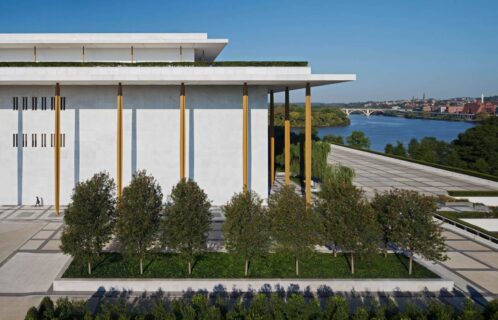
The redevelopment initiative extends beyond the White House complex. The administration has launched a $200 million renovation of the John F. Kennedy Center for the Performing Arts, one of the country’s most prominent cultural institutions.
The project seeks to expand performance venues and upgrade infrastructure throughout the arts center. Officials also announced plans to rename the venue the “Trump-Kennedy Center.” Supporters say the redesign will strengthen Washington’s performing arts infrastructure and tourism appeal.
In addition, planners proposed building a monumental Independence Arch in Washington. The structure would rise approximately 250 feet, drawing inspiration from the Arc de Triomphe. Advocates believe the monument could become a major tourist attraction.
However, aviation regulators are reviewing the proposal due to its potential proximity to restricted flight paths. Therefore, the monument remains under preliminary evaluation.
Preservation Debate and Political Legacy
Public reaction to the redevelopment remains divided across the United States. A recent national poll indicates that more than half of Americans oppose the White House ballroom proposal. Critics argue the redesign prioritizes symbolic grandeur over historic preservation. Preservation groups also question whether the projects align with federal architectural review processes.
However, supporters counter that previous administrations frequently renovated or expanded the White House complex. They note that modernization often reflects changing operational and security requirements.
The White House makeover mirrors the scale and ambition seen in other major Washington developments, such as the ongoing work at the $260 million Portals Complex construction. This large-scale construction highlights the city’s expanding infrastructure and architectural evolution.
Ultimately, the sweeping redesign highlights Trump’s ambition to leave a visible architectural legacy in Washington. Over the coming years, these construction projects could significantly reshape the capital’s ceremonial and cultural landscape.
Project Fact Sheet: White House Makeover
Project Name: White House Makeover Program
Location:
- White House
- John F. Kennedy Center for the Performing Arts
Project Scope:
- Comprehensive architectural redevelopment covering presidential facilities, cultural venues, and proposed national monuments.
Estimated Investment:
- White House Ballroom Construction – $400 million
- Kennedy Center Renovation – $200 million
- Additional monuments and redesign works – Undisclosed
Ballroom Development Details:
- Size: Approximately 90,000 square feet
- Guest Capacity: Nearly 1,000 attendees
- Architectural Style: Classical design compatible with the White House
- Structural Features: Reinforced glass, chandeliers, ceremonial stage, service corridors
Interior Renovation Components:
- Oval Office decorative upgrades
- Lincoln Bedroom bathroom renovation
- Colonnade aesthetic improvements
- Expanded ceremonial infrastructure
Landscape Works:
- Stone paving within the Rose Garden
- Additional flagpoles and ceremonial landscaping
Construction Timeline:
- Planning Stage: 2025
- Construction Commencement: Late 2025
- Target Completion: Before January 2029
Funding Structure:
- Private donor financing for ballroom construction
- Federal oversight for security and infrastructure compliance
White House Makeover: Project Team
Project Sponsor: Office of the President of the United States
Project Owner: The White House Administration
Lead Architectural Design: James McCrery – Founder of McCrery Architects
Architectural Firm: McCrery Architects
Engineering and Infrastructure Consultant: AECOM
Construction Contractor: Clark Construction Group
Security Integration: United States Secret Service
Planning Oversight: National Capital Planning Commission
Additional Stakeholders:
- S. General Services Administration (infrastructure coordination)
- Preservation advocacy groups monitoring heritage impacts
- Private donors supporting the ballroom construction
Leave a Reply