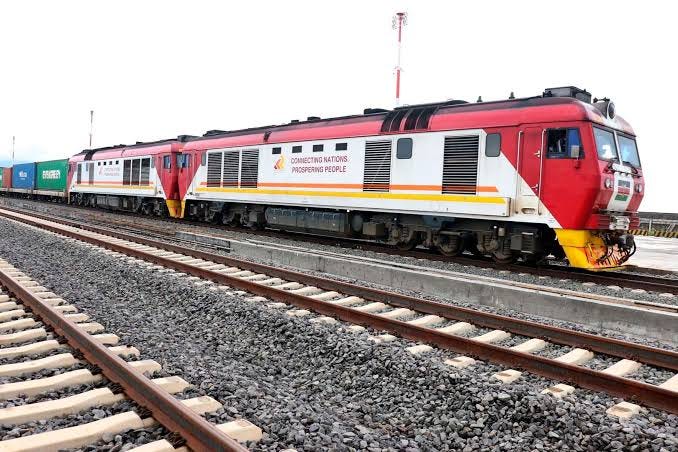
Nairobi–Kampala Standard Gauge Railway construction will begin on March 20, marking a major step toward deeper transport integration in East Africa. Kenya and Uganda will launch the cross-border rail project in Kisumu during a ceremony attended by the two countries’ heads of states. The railway will link Nairobi and Kampala through a modern rail corridor designed to speed up cargo and passenger movement across the region. Moreover, leaders expect the project to reduce freight costs and strengthen trade along the Northern Corridor that connects inland markets to the Port of Mombasa.
The railway forms part of broader regional infrastructure plans aimed at improving connectivity within the East African Community. Consequently, the project will support faster cargo transportation, lower logistics costs, and improved regional trade competitiveness. Furthermore, governments also expect the railway to stimulate industrial development and economic activity along the corridor.
Planning and Launching of the Project
Kenya and Uganda will officially launch construction of the Nairobi–Kampala railway link on March 20 in Kisumu. Presidents William Ruto and Yoweri Museveni are expected to preside over the groundbreaking ceremony. The project follows a bilateral agreement signed in 2025 committing the two countries to complete the railway connection by 2028.
Once complete, the railway will significantly improve transport between the two capitals. Travel time between Nairobi and Kampala currently takes about 14 hours by road. However, the new railway will reduce that journey to around four hours while lowering freight costs by roughly 35%.
Cost of the Nairobi–Kampala Standard Gauge Railway
The Nairobi–Kampala Standard Gauge Railway is being developed through separate national sections in Kenya and Uganda. Combined, the project is estimated to cost about $8 billion.
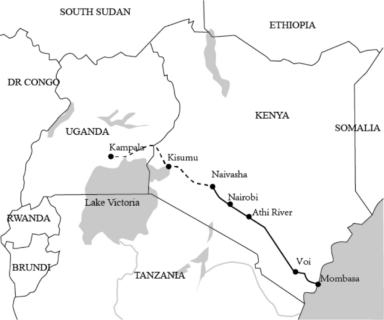
Kenya’s portion of the corridor includes the Naivasha–Kisumu–Malaba extension, which will stretch about 475 kilometers. This section alone is expected to cost approximately $5 billion to $5.49 billion.
Uganda will build the Malaba–Kampala railway, a 272-kilometre section valued at around $2.7 billion.
Together, the two segments will form a continuous Standard Gauge Railway linking Kenya’s existing rail network with Uganda’s capital city.
Regional transport integration
This project will form a crucial part of the East African Railway Master Plan, which aims to create an integrated rail network across several countries. Moreover, this long-term plan includes links to Rwanda, Burundi, South Sudan, and the Democratic Republic of Congo.
By improving railway infrastructure, the project will reduce reliance on road transport, which currently carries the majority of cargo across East Africa. As a result, governments expect the railway to ease congestion on highways while improving efficiency for exporters and importers.
Furthermore, the rail line will strengthen the Northern Corridor trade route, which connects the Port of Mombasa to landlocked countries in the region. This corridor remains one of the most important economic lifelines for East African trade.
The railway project has been under discussion for several years as Kenya and Uganda sought financing and investment partners for the cross-border corridor. Earlier plans focused on mobilizing private investment and advancing feasibility studies for the Naivasha–Kisumu–Malaba extension. As reported earlier,Kenya-Uganda SGR Extension Open for Private Investment as part of efforts to complete the regional railway corridor connecting East Africa.
Economic impact and expected benefits
As anticipated, the railway will deliver several economic benefits to the region. First, it will lower the cost of transporting goods such as agricultural products, fuel, and manufactured items between the two countries.
Second, the railway will support industrial growth along the corridor by encouraging investment in logistics parks, warehouses, and manufacturing zones. Consequently, improved transport infrastructure often attracts investors seeking efficient supply chains.
Third, passenger rail services will offer faster and more affordable travel between major cities in Kenya and Uganda. This will further enhance tourism, business travel, and cross-border mobility.
In addition, the project is expected to create thousands of jobs during the construction phase and generate long-term employment in railway operations and logistics services.
Overview of the Project
Project Name: Nairobi–Kampala Standard Gauge Railway
Project Type: Cross-border railway infrastructure
Location: Kenya and Uganda
Route: Nairobi – Naivasha – Kisumu – Malaba – Kampala
Estimated Cost:
- Kenya extension (Naivasha–Kisumu–Malaba): $5–5.49 billion
- Uganda section (Malaba–Kampala): $2.7 billion
- Total corridor estimate: about $8 billion
Rail Length:
- Kenya section: about 475 km
- Uganda section: about 272 km
Construction Launch: March 20, 2026
Expected Completion: 2028
Key Benefits:
- Reduce travel time from 14 hours to about four hours
- Cut freight costs by roughly 35%
- Strengthen regional trade along the Northern Corridor
- Improve logistics between Kenya and Uganda
- Support regional economic integration
Nairobi–Kampala Standard Gauge Railway: Project Team
Project Owners
Implementing Agencies
Lead Contractor (Uganda Section): Yapı Merkezi
Government Ministries
Regional Coordination Body: Northern Corridor Transit and Transport Coordination Authority
Leave a Reply