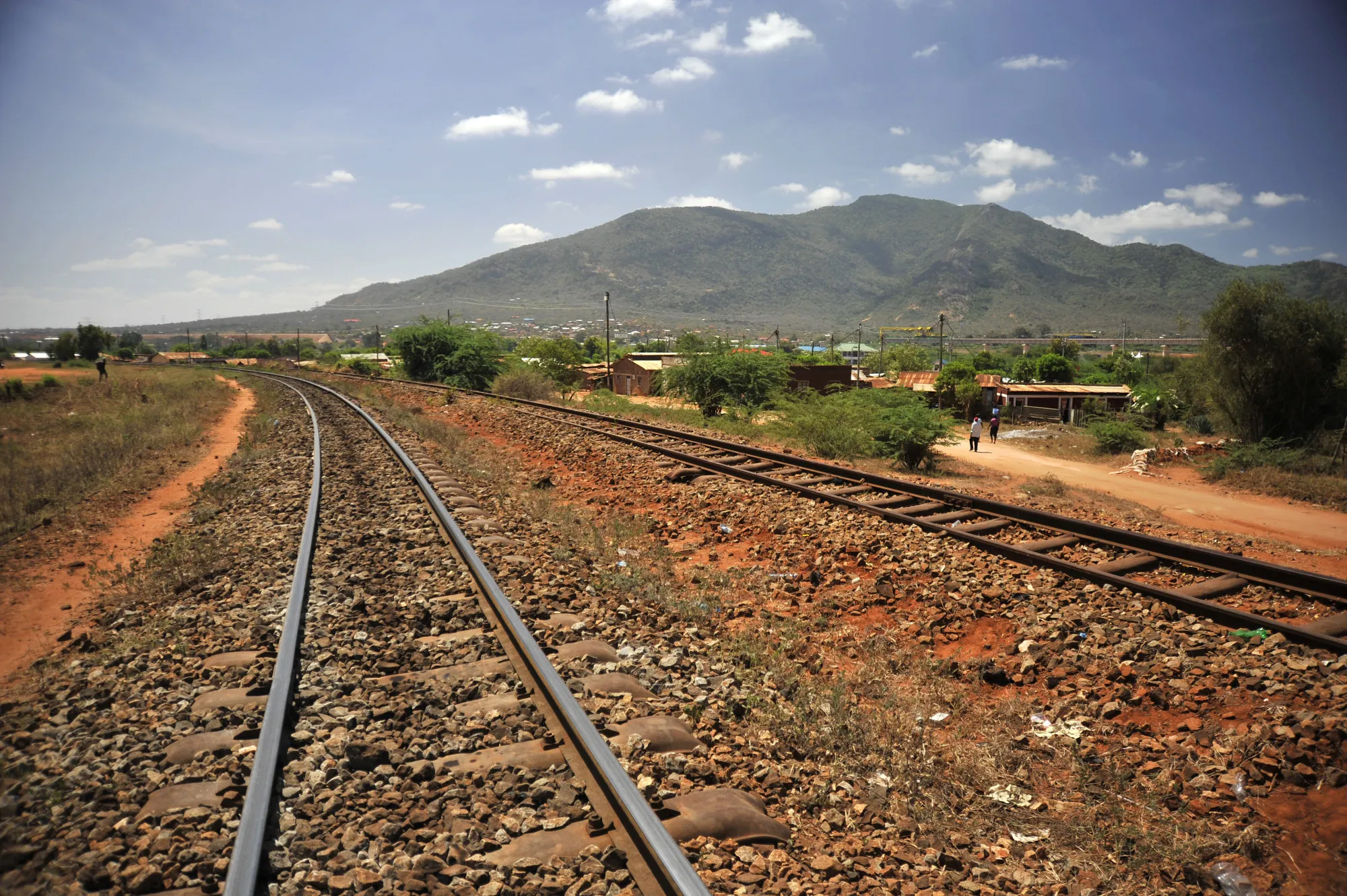
Kenya is considering to extend a colonial-era railway to its north-western oil fields. This will involve the construction of Nakuru-South Lokichar Railway which will create a new route to transport crude to an Indian Ocean port by 2030.
Project Overview
The project would involve the construction of roughly 640 kilometres (400 miles) of meter-gauge railway. The railway will run from Nakuru in the Rift Valley to South Lokichar. This project is expected to cost approximately 220 billion shillings ($1.7 billion). This is according to a parliamentary report approving Gulf Energy Ltd’s field development plan.
Using rail tank cars is seen as a “more cost-effective, flexible, and multi-use infrastructure solution,” Bloomberg reported. Also, it was noted that the line could serve not only the oil project but also integrate with Kenya’s broader transport network.
Other Materials to be Transported on the Nakuru-South Lokichar Railway
Other than crude, the railway is expected to transport clinker, cement, and minerals. This will therefore improve its commercial viability.
Kenya favours a meter-gauge line over a standard-gauge railway. This is because it “navigates the topography with minimal tunnelling,” which cuts on both construction complexity and cost. A standard-gauge alternative would add approximately 300 billion shillings to the project.
Early Transport Plans
Tullow Oil Plc sold its Kenyan assets in the previous year to reduce its debt. The firm had previously laid plans of a $3.4 billion pipeline, but early oil volumes were transported to the coast by truck.
In the first four years, Gulf Energy, who are Tullow’s successor in the region, plans to transport 20,000 barrels of waxy crude daily using insulated road tankers. As time goes on, production could rise to 50,000 barrels per day. This will therefore transported in insulated, steam-heated rail wagons.
Project Factsheet
Route: 640km extension from Nakuru to South Lokichar (Turkana oil fields).
Primary Purpose: Transporting “waxy” crude oil from the Turkana fields to the Port of Mombasa for export by 2030.
Strategic Choice: Kenya opted for an MGR upgrade over a new SGR line for this route because the narrower gauge navigates the Rift Valley’s difficult terrain with 57% lower costs and minimal tunneling.
Multi-Commodity Use: While oil is the primary driver, the line will also transport clinker, cement, and minerals to ensure long-term commercial viability.
Project Team
Kenya Railways Corporation (KRC): The lead implementing agency responsible for the design, rehabilitation of existing legacy tracks, and management of the new extension.
Ministry of Roads and Transport: Oversight body that shifted the policy from a single-use pipeline to this multi-commodity rail corridor.
Public-Private Partnership (PPP) Directorate: Managing the procurement framework to attract private investment for the rail’s specialized infrastructure.
Gulf Energy: A major player in the Turkana oil blocks. Gulf recently acquired Tullow Kenya BV’s stakes. The firm is a primary driver of the “First Oil” timeline, which the railway is designed to support.
Kenya Pipeline Company (KPC): While the pipeline was sidelined, KPC remains a stakeholder in the logistics of moving oil from the rail terminus to the Kipevu Oil Terminal in Mombasa.
State Department for Energy: Coordinating the technical requirements for “waxy” crude transport, including the specific heating needs of the wagons.
Leave a Reply