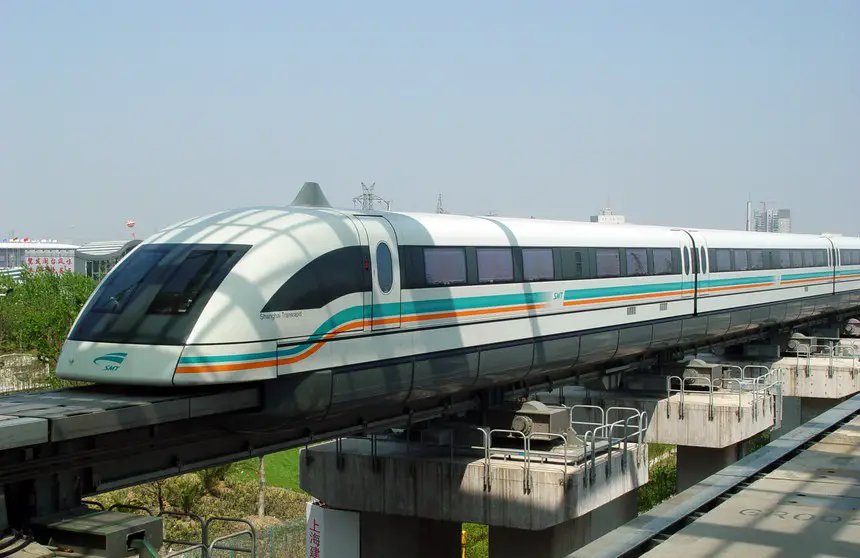
The Afrail Express project represents a visionary leap for continental connectivity. It aims to establish a high-speed magnetic levitation (Maglev) network that spans the African continent as a flagship initiative of the African Union’s Agenda 2063. As of early 2026, the project continues to advance through its multi-phased development strategy, with the first phase designed to link major economic hubs like Cairo, Lagos, and Johannesburg at speeds of up to 431 km/h. This ambitious “steel serpent” serves as a continental-scale counterpart to the localized success of the East Nile Monorail, which was officially inaugurated on March 20, 2026.
While the East Nile line provides a specialized, eco-friendly transit solution for Cairo’s urban expansion into the New Administrative Capital, Afrail Express seeks to scale that same model of electrified, high-capacity transport across national borders. Together, they illustrate a tiered approach to Africa’s modern infrastructure: the East Nile Monorail solving the “last mile” of urban mobility in Egypt, while Afrail Express provides the high-speed backbone intended to eventually integrate these regional networks into a unified African trade and transport corridor.
July 28, 2024
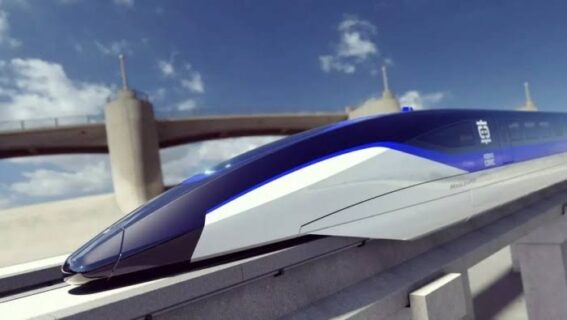
The Afrail Express project, which is a high-speed passenger rail system aiming at connecting the entire African continent, is in direct response to Agenda 2063’s vision. Construction is due to begin in 2024 at multiple sites in different countries. Afrailways is developing Afrail Express, a high-speed passenger rail system based on Magnetic Levitation (Maglev) technology, to connect the entire African continent, from South Africa to Morocco to Nigeria to Egypt via in-between countries such as Botswana, Namibia, Angola, Zambia, the Democratic Republic of the Congo, to Kenya, and back to South Africa via Tanzania, Malawi, Zimbabwe, Malawi, Mozambique, Swaziland, and Lesotho. This will allow for efficient and affordable transportation across the continent.
Agenda 2063 clearly recognises the importance of the development of railways as key to accelerating Africa’s growth and development. Rail transport is also energy efficient and results in reduced greenhouse gas emissions. And, over long distances, trains are highly cost-efficient, burning less fuel per ton kilometre than road trucks.
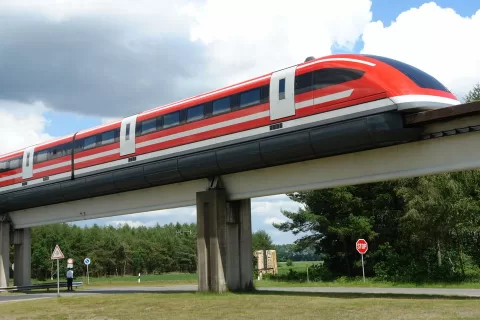
The first phase, which will connect Cape Town in South Africa to Casablanca in Morocco via Namibia, Angola, Zambia, the Democratic Republic of the Congo (DRC), Nigeria and Senegal, is expected to start operations in 2033.
When completed, the Afrail Express, at an estimated cost of US$90 billion, is expected to be the largest advanced industrial ecosystem development in Africa.
Also Read: Metrorail resumes Operations at Simon’s Town stations in South Africa
Afrail Project Capacity
When fully operational, Afrail Express Rail Systems has the ability to move more than 600 million paying passengers and 500 million parcels every week between cities and nations in Sub-Saharan Africa, making travel quicker, safer, and more affordable. Afrailways’ Rachel Long noted in Corporate Strategy that, with the African Continental Free Commerce Area (AfCFTA) in place to speed intra-African trade and strengthen Africa’s commercial position, Afrail Express intends to assist Africa in meeting Agenda 2063. Afrail Express is looking for a reputed EPC to serve as the Main Contractor for the Afrail Express infrastructure. This is to ensure that the project runs smoothly and is able to meet its target deadlines.
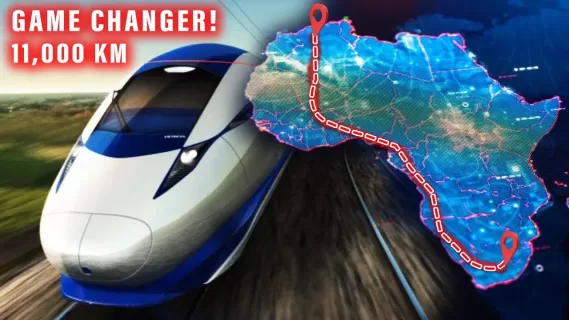
Construction of Afrail Express Rail Systems
The construction and operation of Afrail Express have the potential to generate more than 50 million direct and indirect job opportunities across Africa, with the potential to contribute more than USD $5 trillion to African GDP. The project will bring some aid to several economies that have faced hardships during the Covid-19 global pandemic.
The first phase of the Afrail Express high-speed passenger rail, powered by Magnetic Levitation, will connect Johannesburg to Lagos, Lagos to Cairo, and Cairo to Johannesburg via countries in between. Afrail Express is a flagship development initiative between Afrailways in Switzerland and Groot Suisse Industries in Namibia. Afrail Express has expressed its dedication towards making Africa safer, quicker, and more affordable, one passenger at a time.
There have also been important railway developments at national level in recent years, for example the construction of the Lagos-Kano railway in Nigeria, the high-speed rail network in Egypt, the Metro Express Light Rail Transit system in Mauritius, and the new electric train connecting Dar es Salaam and Dodoma in Tanzania.
Project Team
Afrailways AG: Based in Zurich, Switzerland, this firm serves as the primary rail development and financing lead. They are responsible for the project’s strategic roadmap and the deployment of Maglev technology.
Groot Suisse Industries: Based in Oshakati, Namibia, this industrial company is the lead regional partner. They focus on the industrial ecosystem and local execution across the African continent.
Cillar (Digital Asset): A specialized Security Token Offering (STO) designed to serve as the central currency for the Afrail Express ticketing ecosystem, aimed at eliminating cross-border exchange fees.
Afrail Express Infrastructure: The project is currently in the stage of appointing a Main EPC (Engineering, Procurement, and Construction) contractor to manage the hundreds of local subcontractors expected to be involved.
Also read: Tanzania SGR Operations Approach as the Country Launches East Africa’s First Electric Train

Leave a Reply