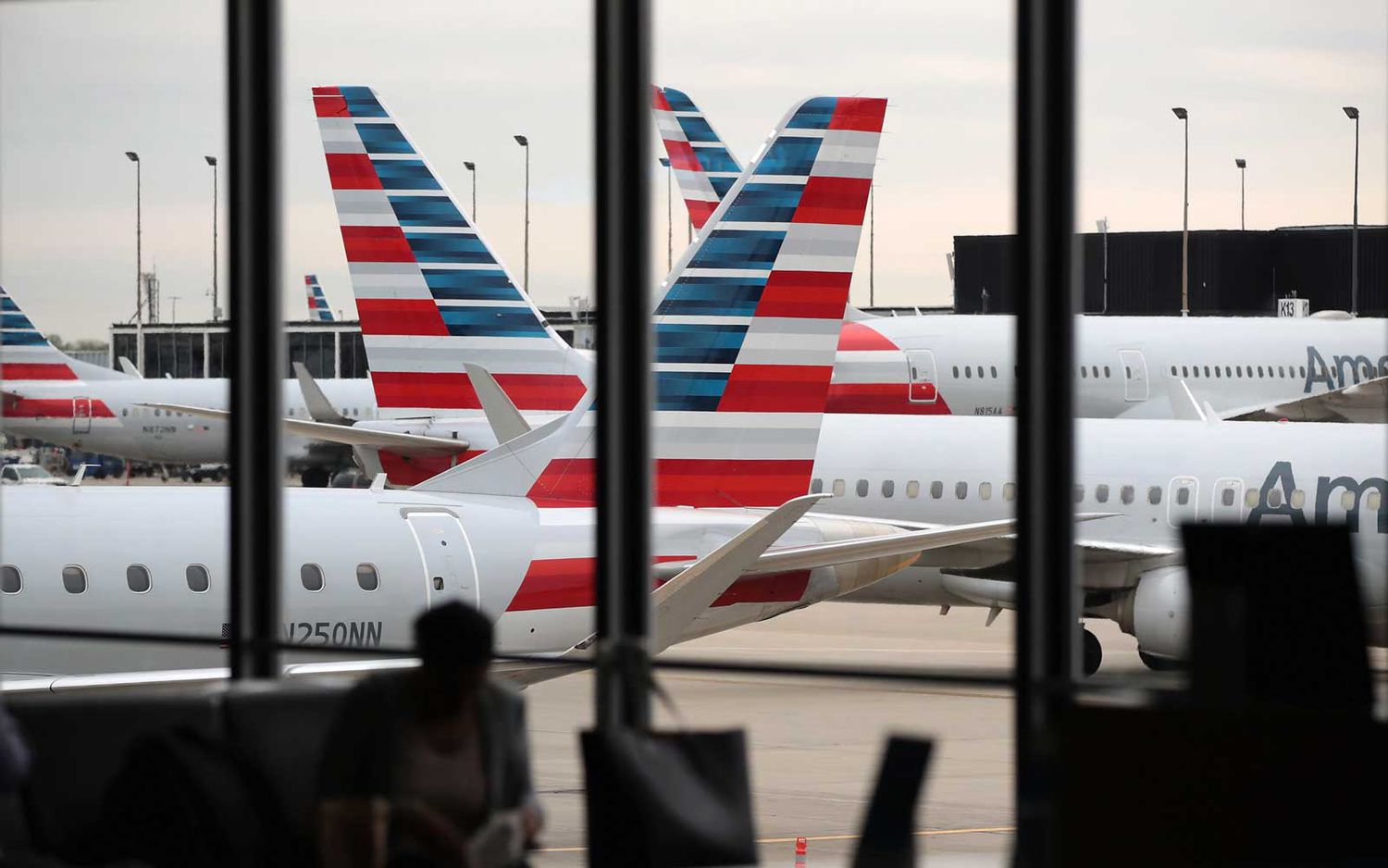
American Airlines has officially signed a landmark lease agreement, committing to a $1 billion capital investment to overhaul and expand its fortress hub at Miami International Airport (MIA). Celebrating 35 years of operations in South Florida, the airline is moving beyond simple maintenance; this seven-year construction program is designed to increase the hub’s capacity by over 115 daily flights. As the anchor tenant of the North Terminal (Concourse D), American’s investment will integrate directly with Miami-Dade County’s broader Capital Improvement Program (CIP), signaling a shift from legacy infrastructure to a modern, high-efficiency aviation campus capable of handling next-generation widebody aircraft and surging passenger volumes from Latin America and the Caribbean.
Jobsite Impact: Building in a Live “SIDA” Zone
For the construction teams mobilizing for this seven-year campaign, the “Jobsite Impact” is defined by the logistical rigidity of working within a Security Identification Display Area (SIDA). Unlike a greenfield site, every tool, worker, and piece of heavy machinery must pass through TSA-level screening daily. Contractors will be tasked with executing heavy demolition and structural steel erection immediately adjacent to active taxiways. This requires strict Foreign Object Debris (FOD) management protocols; a single loose bolt or piece of plastic sheeting on the tarmac can ground a flight or damage a jet engine. Consequently, much of the heavy lifting—such as crane picks for new roof trusses or glazing panel installation—will be relegated to tight overnight windows to minimize disruption to flight schedules.
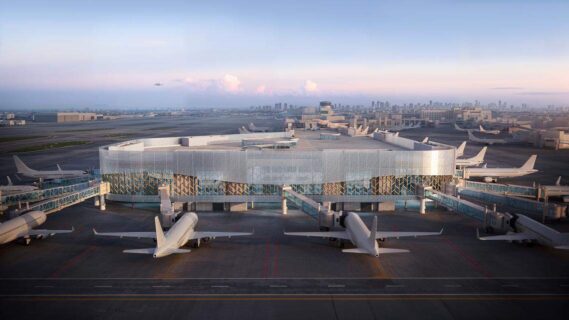
American Airlines MIA Hub Expansion: Factsheet
Project Name: American Airlines MIA Hub Modernization
Location: Miami International Airport (MIA), North Terminal (Concourse D) & Central Terminal
Total Investment: ~$1 Billion (AA contribution)
Timeline: 7-Year Construction Program (2026–2033)
Project Team:
Owner: Miami-Dade Aviation Department (MDAD)
Tenant/Developer: American Airlines
Program Management: [Likely distinct packages awarded to firms such as Parsons, AECOM, or Burns & McDonnell – Specific awards pending]
General Contractors: [Tendering Phase – Frequent MIA players include Suffolk, Lemartec, and Turner]
Key Scope:
Renovation of Concourse D and expansion into Central Terminal.
Construction of new “swing gates” for international flexibility.
Complete overhaul of the Baggage Handling System (BHS).
Upgraded Admiral’s Club lounges and premium check-in areas.
Capacity Increase: Enables +115 daily flights (to ~600 daily departures).
Jobsite Constraints: SIDA Zone security; Night work restrictions; HVHZ Hurricane Code compliance.
The Systems Scope: BHS and Swing Gates
The most technically complex aspect of the renovation lies hidden behind the walls: the Baggage Handling System (BHS). The investment funds a complete modernization of the conveyor matrix, moving from legacy belts to high-speed, destination-coded vehicles (DCVs) or advanced tote systems. For Mechanical, Electrical, and Plumbing (MEP) contractors, this involves threading miles of new cabling and sensors through the existing terminal underbelly without severing the current operational lines. Furthermore, the project scope includes the reconfiguration of “swing gates”—flexible boarding bridges capable of toggling between international (directing passengers to Customs/CBP) and domestic arrivals. This architectural flexibility requires complex corridor isolation and access control systems integration, a niche specialty for low-voltage contractors.
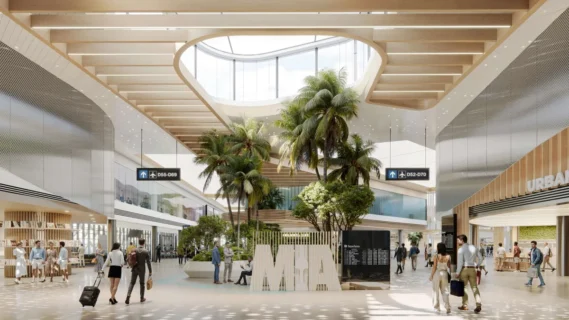
Structural Hardening and Resilience
Miami’s coastal location dictates a construction standard far higher than the national average. The new terminal expansions and renovated gate hold rooms must meet strict High Velocity Hurricane Zone (HVHZ) building codes. This means the building envelope—specifically the curtain wall glazing and roof systems—must be engineered to withstand wind loads exceeding 175 mph. Structural engineers will likely utilize deep foundation systems, such as auger-cast piles, to stabilize the new expansions against the porous limestone and high water table typical of the Miami-Dade geology. The project also emphasizes energy resilience, with plans to integrate upgraded electrical substations to support the growing demand for ground support equipment (GSE) electrification.
Economic Ripple Effect
This $1 billion injection serves as a massive employment engine for the local skilled trades. The project will create a sustained demand for union electricians, ironworkers, glaziers, and sheet metal workers in a South Florida construction market that is already tight due to the booming high-rise residential sector in nearby Brickell. By locking in a 10-year lease extension, American Airlines has effectively guaranteed a decade of continuous infrastructure work, providing stability for the general contractors and subcontractors who secure the bid packages for this massive aviation overhaul. This momentum in the aviation sector is being seen across the country, as evidenced by the completion of the main terminal build at Portland International Airport as part of its $2 billion transformation, showcasing a nationwide push to modernize critical travel hubs.
Leave a Reply