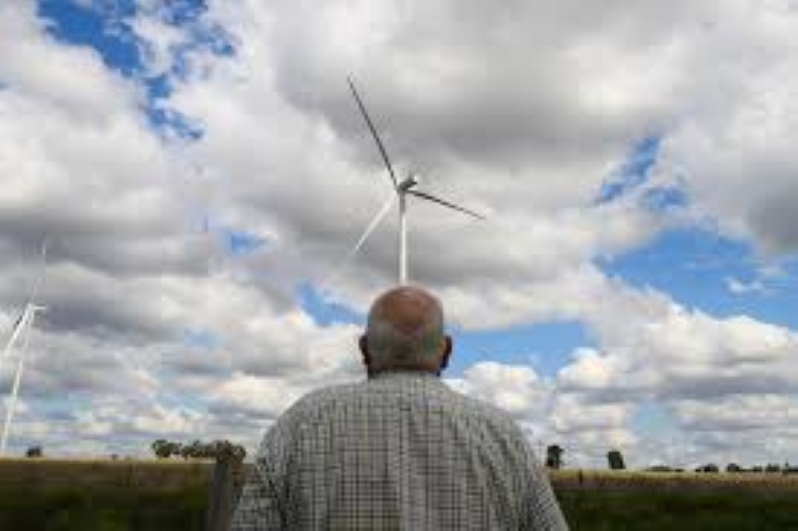
The proposed Moonlight Range Wind Farm in Central Queensland remains cancelled following the Queensland Government’s decision to refuse the project after a ministerial reassessment in May 2025. The wind farm project was axed despite having secured conditional planning approval. Thoughts on its cancellation continues to reverberate across Australia’s renewable energy sector, with industry groups and investors citing the project as a key example of growing regulatory uncertainty in Queensland.
Developed by Greenleaf Renewables and backed by global investment manager Brookfield, the A$1 billion project would have delivered up to 450 MW of renewable energy capacity, enough to power approximately 260,000 homes. However, concerns raised by the Queensland Government regarding community consultation, social impacts and local opposition ultimately led to the project’s rejection, making it one of the most significant renewable energy developments to be halted in Australia in recent years. This also comes as other onshore wind projects continue to take shape in other Aussie states including New South Wales with the Uungula Wind Farm as it phases out coal-powered generation.
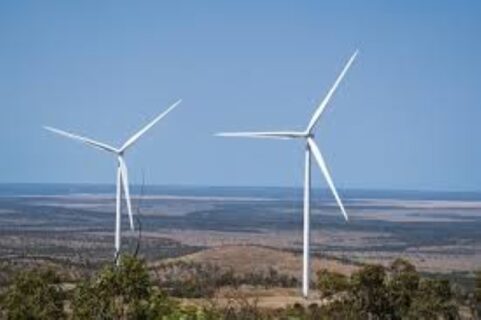
Key Lessons from the Cancellation of the Moonlight Range Wind Farm
The cancellation of the $1 billion Moonlight Range Wind Farm Project in Central Queensland offers important lessons for developers, policymakers and clean energy advocates. Despite its potential to power over 260,000 homes annually, the project was halted by Premier Jarrod Bleijie. The premier used ministerial powers to reject the development. The decision also highlights critical gaps in community engagement, planning strategy, and environmental alignment that future renewable projects must address.
Community Support Is Non-Negotiable
One of the key reasons for the project’s downfall was overwhelming community opposition. During a two-month consultation period, 88% of local submissions opposed the project. Concerns ranged from strain on local accommodation due to construction workers, to a perceived lack of transparency and genuine consultation.
Deputy Premier Bleijie emphasized that major developments must have community buy-in—just like projects in mining, agriculture, or gas. Future renewable projects must prioritize early, honest, and ongoing engagement with residents to avoid similar backlash.
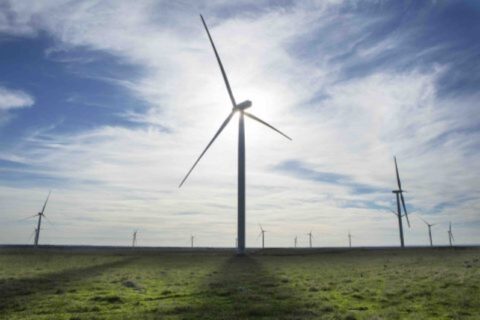
Environmental Considerations Cannot Be an Afterthought
While the Moonlight Range Wind Farm aimed to boost clean energy generation, environmental concerns proved equally important. Graziers voiced fears about the impact on native flora and fauna in the region. Environmental groups echoed these sentiments. They warned that without a statewide framework for managing the impact of renewables, similar projects may face the same fate.
Lesson learned: even green projects need to meet high environmental standards. Developers, more so, must proactively conduct and communicate environmental impact assessments.
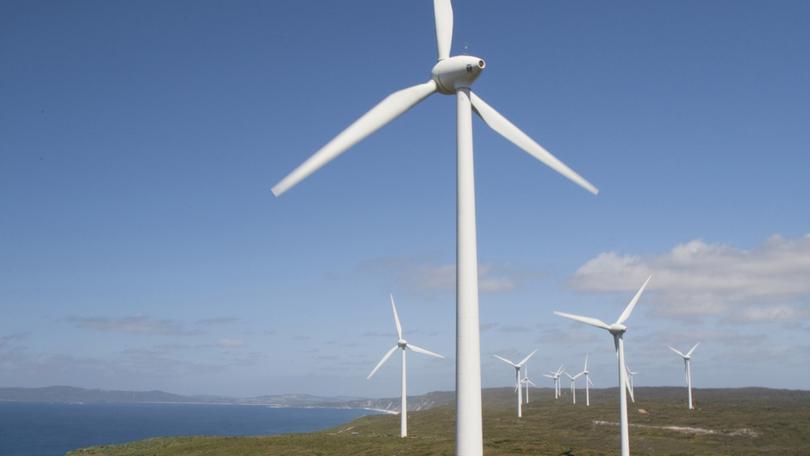
Acciona Energy’s Bellwether Project in Australia: World’s Second Largest Onshore Wind Farm
Regulatory Clarity and Consistency Matter
Despite being approved by the State Assessment and Referral Agency in 2024, the project was overturned in 2025 after a ministerial reassessment. This regulatory uncertainty sends mixed signals to investors and developers. Stephanie Gray of the Queensland Conservation Council warned that Queensland could be perceived as “closed for clean energy business” if the government doesn’t offer more predictable approval processes.
To attract long-term investment in renewables, consistent planning laws and clearer environmental policies are essential.
Balanced Energy Strategy Is Key
Some locals also expressed concern about Queensland rushing into renewables. As one local stated, “We need to steady down… a mixture of energy would be good.” This reflects a broader lesson: transitioning to renewables must be inclusive and deliberate, with room for hybrid solutions and flexibility.
Moonlight Range Wind Farm Project Fact Sheet
- Location: Morinish, 40 km northwest of Rockhampton, QLD
- Developer: Greenleaf Renewables and Brookfield Renewable
- Capacity: 450 megawatts (MW)
- Components: 88 wind turbines (280m tip height), Battery Energy Storage System (BESS)
- Estimated Output: Enough for 260,000 homes annually
- Construction Start: Was originally planned for 2026
- Jobs: 300 during construction, 10 ongoing
- Project Status: Cancelled (May 22, 2025)
- Primary Issues: Community opposition (88%), environmental concerns, regulatory reversal
- Decision Authority: Deputy Premier Jarrod Bleijie under new planning laws


Leave a Reply