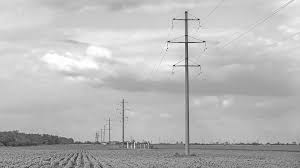
A major transmission upgrade is taking shape in Northern California as the Bay Area 230 kV Underground Line project moves forward, reinforcing grid reliability and supporting the region’s accelerating clean energy transition.
On April 17, the California ISO (CAISO) awarded LS Power Grid California (LSPGC) responsibility for delivering a new 230-kV underground transmission project in the Bay Area, including its financing, construction, ownership, and long-term operation. The line is intended to strengthen regional power infrastructure and improve overall grid reliability.
The new transmission line is planned to link Silicon Valley Power’s Northern Receiving Station (NRS) Substation with Pacific Gas & Electric’s San José B Substation. It expands on LS Power Grid California’s existing Power Santa Clara Valley and Power the South Bay initiatives, both of which are currently targeted for completion in 2028.
The project centers on the installation of a 7-mile high-voltage 230-kilovolt underground transmission line designed to strengthen the electrical backbone serving the greater Bay Area. By relocating critical transmission infrastructure below ground, the development aims to enhance system resilience, reduce wildfire risks, and improve overall service continuity in one of the United States’ most energy-demanding regions.
Why Underground Transmission Matters for Grid Stability
Unlike traditional overhead lines, underground transmission systems are less exposed to extreme weather, vegetation interference, and wildfire-related disruptions—issues that have increasingly challenged California’s power network in recent years. The Bay Area project reflects a broader statewide push to modernize grid infrastructure while addressing safety and environmental concerns.
The new line will also support the integration of renewable energy sources into the grid, alongside reliability improvements. As California expands solar, wind, and energy storage capacity, transmission upgrades like this play a critical role in delivering clean power efficiently to urban load centers.
Engineers will construct the underground line through complex works that include trenching, conduit installation, and the deployment of advanced cable systems designed to carry high-voltage loads over long distances. Although undergrounding costs more than overhead alternatives, developers often choose it in densely populated or environmentally sensitive areas due to right-of-way limitations and concerns about visual impact
California’s long-term energy goals
The project also aligns with California’s long-term energy goals, including achieving carbon neutrality and maintaining grid reliability amid growing electrification across transportation and buildings. Investments in transmission infrastructure are increasingly viewed as critical enablers of these policy objectives.
While the Bay Area’s 230 kV Underground Line Project marks a significant step forward in modernizing grid infrastructure along the West Coast, not all transmission projects are advancing as smoothly. In Eastern Pennsylvania, the proposed Shawnee-Walker Transmission Line is facing a very different reception, as local opposition continues to mount over concerns about land use, environmental impact, and community input — a reminder that the path to grid reliability often runs through the court of public opinion before it runs through the ground.
Once completed, the Bay Area 230 kV Underground Line is expected to play a key role in stabilizing power delivery, reducing outage risks, and supporting future demand growth across Northern California.
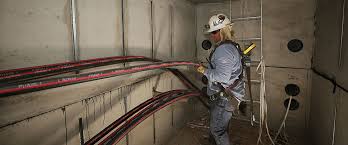
Bay Area 230 kV Underground Line Project – Factsheet
Location: San Francisco Bay Area, Northern California, United States
Project Type: High-voltage underground electricity transmission line
Voltage Capacity: 230 kilovolts (kV)
Project Objective:
- Strengthen grid reliability in the Bay Area
- Reduce wildfire and weather-related outage risks
- Support integration of renewable energy sources
- Modernize aging transmission infrastructure
Key Features:
- Fully underground high-voltage transmission line
- Advanced insulated cable systems
- Designed for dense urban and environmentally sensitive areas
- Reduced visual and environmental footprint compared to overhead lines
Scope of Work:
- Trenching and underground conduit installation
- High-voltage cable laying and system integration
- Substation connections and upgrades
- System testing and commissioning
Project Drivers:
- Increasing electricity demand in the Bay Area
- California’s clean energy transition goals
- Grid resilience and wildfire mitigation requirements
- Electrification of transport and buildings
Benefits:
- Improved power reliability and grid stability
- Lower risk of outages caused by extreme weather or wildfires
- Enhanced capacity for renewable energy delivery
- Minimal visual impact on communities
Challenges:
- Higher construction costs compared to overhead lines
- Complex permitting and urban construction constraints
- Technical complexity of underground high-voltage systems
Estimated Timeline:
- Development & permitting: Ongoing
- Construction: Phased implementation
Strategic Importance:
The project is part of California’s broader effort to build a more resilient, low-carbon electricity grid capable of meeting future demand while minimizing environmental and safety risks.

Leave a Reply