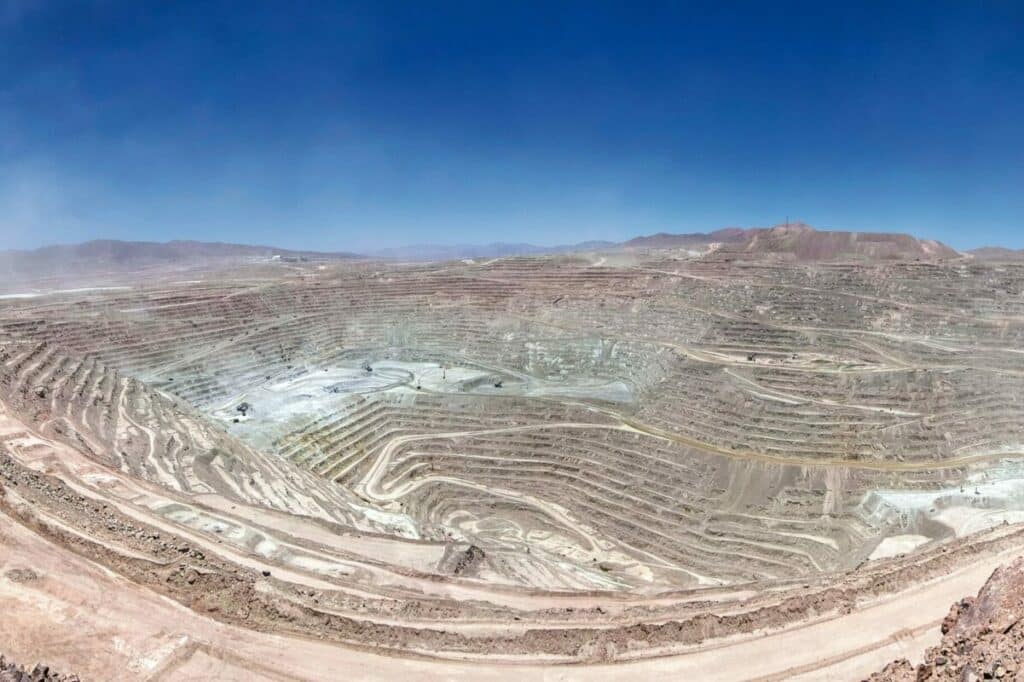
The BHP Escondida copper expansion has cleared its first major regulatory hurdle in Chile, with the Antofagasta Environmental Assessment Commission approving early stage works that let a tranche of spending worth as much as $14.7 billion begin. BHP confirmed the decision on July 7, 2026, covering sulphide leaching and electricity upgrades at Escondida, the largest copper mine on earth, sited in the Atacama Desert of northern Chile. This opening stage carries a price tag of around $1.3 billion and precedes a series of much larger upgrades planned across the mine and its processing plants. BHP holds a 57.5 percent stake in the operation, alongside Rio Tinto with 30 percent and a consortium of Japanese companies through JECO Corp holding the balance. The approval matters because Escondida is battling steadily declining ore grades, which force the mine to move and process far more rock just to hold output steady. To counter that slide, BHP has mapped out four projects at the site staggered between 2027 and 2032, part of a broader $10.8 billion growth plan the company unveiled in late 2024 and set out further through its project disclosures. As the world’s biggest copper producer, BHP wants to roughly double its global copper output to more than two million tonnes a year by the middle of the next decade, and its Chilean assets sit at the centre of that ambition.
What the Chile Copper Investment Means for the Atacama and Global Supply
Chile remains the beating heart of the world copper market, and BHP’s commitment deepens a wave of capital flowing into the country’s north. The company expects to spend between $10.7 billion and $14.7 billion across its Chilean portfolio in the coming years, a figure that rivals the largest resource programmes anywhere in South America. Rival and partner projects underline the trend. Rio Tinto shares directly in the Escondida upgrades through its minority stake, while BHP is also advancing a 50/50 venture with Lundin Mining in the Vicuña district, where the Filo del Sol deposit could eventually yield close to 400,000 tonnes of copper a year. The investment surge is not limited to mining. Chile has become a magnet for large scale infrastructure of every kind, from desalination to digital connectivity, with Google having joined the team building the 14,810 kilometre Humboldt submarine cable. For copper specifically, the timing is deliberate. Global demand is climbing as electrification, grid buildout and data centre construction accelerate, and analysts note that capital intensity in modern copper mining has jumped toward $23,000 per tonne of new capacity. Escondida alone has produced some 38 million tonnes of copper since 1990, accounting for roughly 7 percent of global mine supply, which is why keeping it productive carries weight well beyond BHP’s own balance sheet.
BHP Escondida Copper Expansion Timeline and What Comes Next
With early works now cleared, attention turns to the far larger pieces of the BHP Escondida copper expansion still moving through Chile’s permitting system. The centrepiece is a new concentrator, estimated at $4.4 billion to $5.9 billion, that would replace the ageing Los Colorados plant and hold daily processing capacity at 460,000 tonnes. BHP submitted that project to the environmental authority in March 2026 and has said construction could begin in early 2027, with first production targeted for the 2031 to 2032 window. The build is expected to sustain an average of 2,500 workers a month, peaking near 6,000 during the busiest phases, according to BHP’s concentrator filing. Separate applications cover the $1.5 billion restart of the Cerro Colorado mine and further leaching works. Risks remain, chiefly the pace of remaining approvals, water sourcing in one of the driest regions on earth, and consultation with local and indigenous communities. If the programme lands on schedule, it should keep the world’s top copper mine productive well into the 2040s.
Project Fact Sheet
- Project Name: BHP Escondida Copper Expansion, Chile
- Location: Escondida mine, Antofagasta Region, Atacama Desert, northern Chile
- Project Value: Estimated at $10.7 billion to $14.7 billion across BHP’s Chilean operations, per BHP’s July 2026 statement
- Client/Owner: BHP (57.5 percent), with Rio Tinto (30 percent) and JECO Corp, a Japanese consortium (12.5 percent)
- Main Contractor: Not yet disclosed
- Key Components: Sulphide leaching, electricity upgrades, a new concentrator plant to replace Los Colorados, and the Cerro Colorado restart
- Procurement Model: Owner led capital investment, phased across multiple environmental permits
- Construction Start: Early works approved July 2026, with concentrator construction targeted for early 2027
- Expected Completion: First production from the new concentrator targeted for 2031 to 2032
- Jobs Created: Up to 6,000 construction jobs at peak, averaging about 2,500 a month
- Environmental Features: Full SaL leaching technology and trolley assist systems to cut mining emissions
- Strategic Impact: Sustains output at the world’s largest copper mine amid falling ore grades and supports BHP’s goal of more than two million tonnes of annual copper output by the 2030s
Project Team
- Operator and Majority Owner: BHP
- Joint Venture Partner: Rio Tinto
- Joint Venture Partner: JECO Corp (Japanese consortium)
- Vicuña District Partner: Lundin Mining
- Main Contractor: Not yet disclosed
- Environmental Regulator: Antofagasta Environmental Assessment Commission (Chile’s Servicio de Evaluación Ambiental)
Frequently Asked Questions
How much does the BHP Escondida copper expansion cost? BHP expects to spend between $10.7 billion and $14.7 billion across its Chilean operations, with the newly approved early works stage alone costing around $1.3 billion.
When will the BHP Escondida copper expansion be completed? Early works were approved in July 2026, while first production from the planned new concentrator is targeted for the 2031 to 2032 window.
Where is the BHP Escondida copper expansion located? The project is at the Escondida mine in the Antofagasta Region of the Atacama Desert in northern Chile, the largest copper mine in the world.
Who owns the BHP Escondida copper expansion? BHP operates and holds 57.5 percent of Escondida, with Rio Tinto owning 30 percent and the Japanese JECO Corp consortium holding the remaining 12.5 percent.
Why is BHP expanding the Escondida copper mine? BHP is investing to offset declining ore grades and sustain output, part of its plan to roughly double global copper production to more than two million tonnes a year by the 2030s.



Leave a Reply