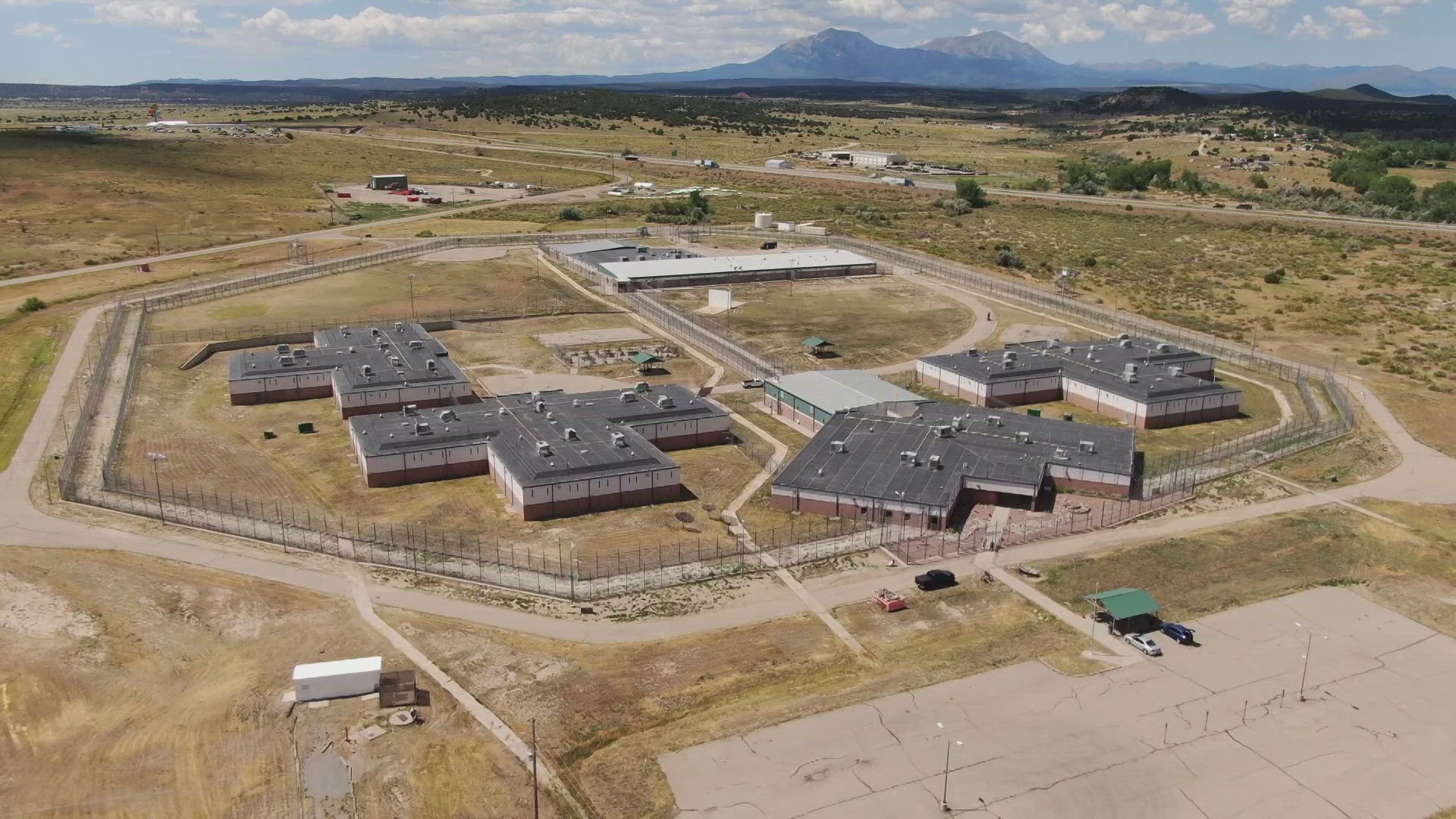
The Big Horn ICE Detention Facility in Hudson, Colorado, is set to reopen after U.S. Immigration and Customs Enforcement awarded a contract worth up to US$528.6 million, widely reported as $529 million, to the private operator GEO Group. The five year agreement, signed on July 9 and running through 2031, reactivates a shuttered prison about 30 miles northeast of Denver in Weld County and converts it into an immigration detention center used exclusively by ICE.
The site opened as a prison in 2009, held inmates until it closed in 2014, and has space for roughly 1,200 detainees across four housing units that can separate different populations, including men and women. GEO does not own the building. It leases the property from the Chicago based real estate trust Highlands REIT under a lease that begins on August 1 and runs for 88 months.
Rather than a single upfront sum, the contract carries a ceiling of $528,678,643 and pays GEO on a rolling basis tied to how much the facility is used. The company has told investors it expects the site to generate about US$85 million in revenue in its first full year of operation. Founder and chief executive George C. Zoley described the Big Horn Facility as an important part of meeting federal demand for detention bedspace, pointing to a four decade relationship between GEO and ICE.
Colorado Detention Capacity and a National ICE Expansion
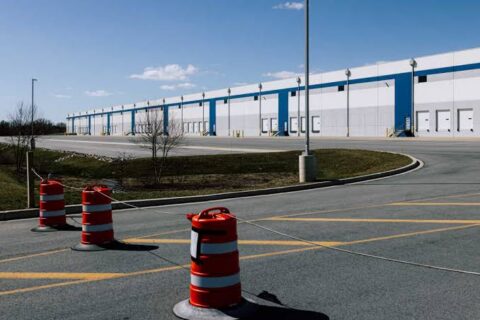
The Hudson contract lands in the middle of a rapid federal push to add detention space. ICE has been moving to bring thousands of new beds online quickly by contracting so called turnkey facilities, meaning sites that can operate with little new construction, with other locations reported near Miami and Seattle and in central Pennsylvania. Once Big Horn opens, Colorado’s immigration detention capacity roughly doubles to about 2,720 beds, alongside the 1,530 bed GEO facility already operating in Aurora.
Nationally, GEO holds around 26,000 detention beds under contract with ICE and houses close to a third of the agency’s detainees, and the company reported a sharp rise in profit in 2025 as enforcement activity grew. The private lease and operate approach at Hudson contrasts with how some jurisdictions are rebuilding correctional infrastructure.
In New York, the city is spending billions on its Borough Based Jails program to replace the troubled Rikers Island complex with four smaller facilities, managed by the NYC Department of Design and Construction and framed as a more humane, purpose built model. Where New York is designing and constructing publicly owned jails from the ground up, the Hudson project turns on reusing an existing private building, a route that critics say can move faster while giving local governments fewer points of review.
The Big Horn project is part of a wider expansion of federal detention infrastructure. That broader push now includes up to $7.3 billion in ICE detention expansion contracts covering five government-owned sites across New York, Texas, Arizona, Florida and California.

Big Horn Facility Timeline and What Comes Next
The immediate milestone is the August 1 start of GEO’s lease with Highlands REIT, under which the company begins paying $250,000 a month in rent, rising toward nearly $1 million a month once the facility is occupied. GEO has not published an opening date, and the Town of Hudson has said it received little detailed operational information, including the number of detainees, staffing levels, utility demand and the duration of operations.
Town officials have repeatedly stated that the federal government, not the municipality, authorizes the contract, and that local leaders have no power to block a private agreement between GEO, Highlands REIT and ICE. The plan has drawn organized opposition. The ACLU of Colorado pursued records through a Freedom of Information Act lawsuit, immigrant advocacy groups have criticized conditions at GEO run facilities, and state lawmakers have passed measures to increase oversight of immigration detention. For GEO, the economic case is straightforward, with the company projecting roughly US$85 million in first year revenue and framing the site as central to its federal work.
Project Fact Sheet
- Project Name: Big Horn Contract Detention Facility, formerly the Hudson Correctional Facility
- Location: Hudson, Weld County, Colorado, about 30 miles northeast of Denver
- Project Value: Contract ceiling of US$528,678,643 over five years, widely cited as about US$529 million
- Client: U.S. Immigration and Customs Enforcement, Department of Homeland Security
- Operator: The GEO Group
- Property Owner: Highlands REIT
- Capacity: About 1,200 beds, with GEO citing up to 1,188, across four housing units
- Facility History: Built in 2009, operated as a prison until 2014, dormant since
- Procurement Model: Lease and operate turnkey contract paid on a usage basis, with GEO leasing the site for 88 months from August 1
- Contract Term: Through 2031
- Projected Revenue: About US$85 million in the first full year, per GEO
- Strategic Context: Roughly doubles Colorado ICE detention capacity to about 2,720 beds
Project Team
- Client: U.S. Immigration and Customs Enforcement (Department of Homeland Security)
- Facility Operator: The GEO Group
- Property Owner: Highlands REIT
- Host Municipality: Town of Hudson, Colorado
- Main Construction Contractor: Not disclosed, as the site is being reused with limited new construction
Frequently Asked Questions
How much is the Big Horn ICE Detention Facility contract worth? The Big Horn ICE Detention Facility contract has a ceiling of about US$528.6 million, widely reported as $529 million, over a five year term running through 2031.
Where is the Big Horn ICE Detention Facility located? The Big Horn ICE Detention Facility is in Hudson, Weld County, Colorado, roughly 30 miles northeast of Denver.
Who is operating the Big Horn ICE Detention Facility? The Big Horn ICE Detention Facility is operated by the GEO Group under contract to ICE, with the building leased from property owner Highlands REIT.
How many people can the Big Horn ICE Detention Facility hold? The Big Horn ICE Detention Facility is designed for about 1,200 detainees, with GEO citing up to 1,188 beds across four housing units.
When will the Big Horn ICE Detention Facility open? An opening date has not been disclosed, though GEO’s lease on the site begins on August 1, 2026.



Leave a Reply