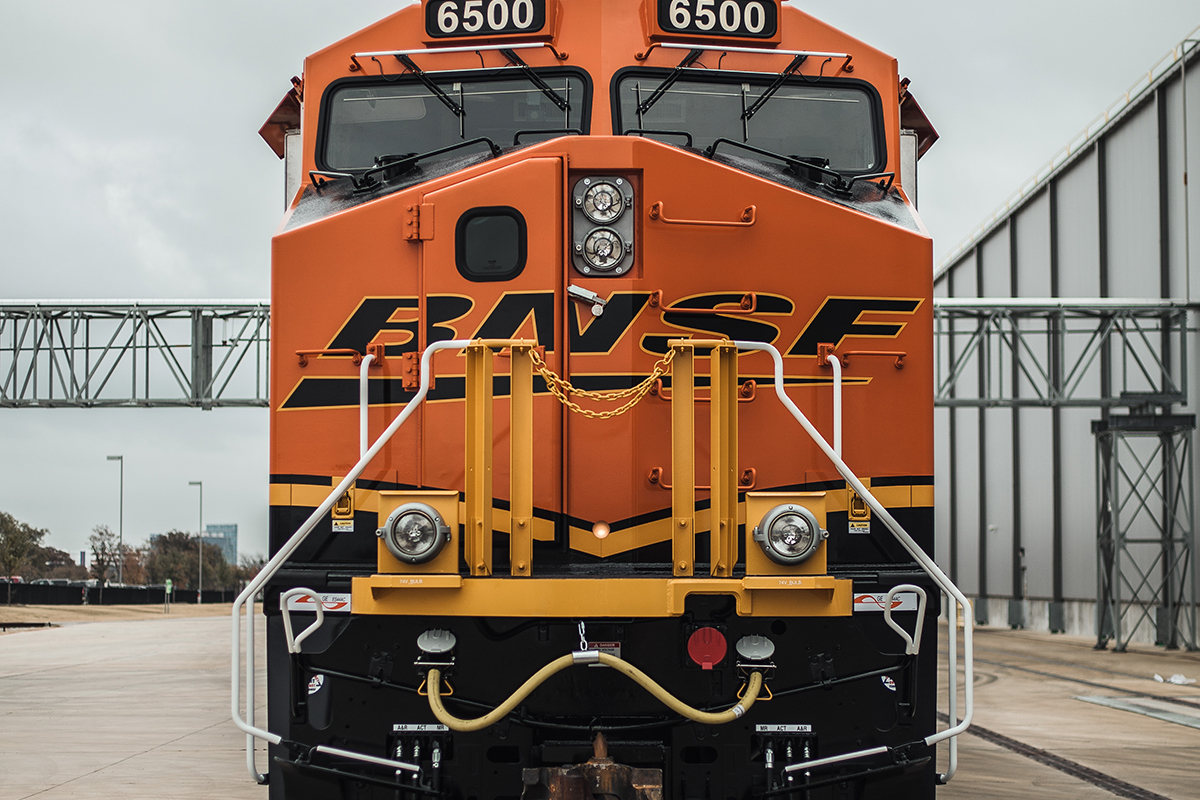
BNSF Railway has outlined a nationwide rail infrastructure construction and renewal program for 2026, with $3.6 billion allocated across track rehabilitation, yard expansions, and new intermodal facilities.
The Class I railroad’s capital plan places a strong emphasis on heavy rail maintenance and infrastructure construction, with the majority of funding directed toward rebuilding and upgrading its existing network to improve reliability and capacity.
Network-wide track construction and rehabilitation
The largest portion of the 2026 capital program—$2.8 billion—will be allocated to maintenance works, which BNSF says will involve extensive physical construction activity across its rail system.
Planned works include:
Replacement and upgrading of rail and track infrastructure
Ballast renewal and track undercutting
Replacement of approximately 2.5 million rail ties
Installation of more than 400 miles of new rail
13,000 miles of track surfacing and undercutting work
The program represents one of BNSF’s most extensive rail rehabilitation efforts, involving continuous construction along active freight corridors to extend asset life, reduce service disruptions, and maintain network capacity.
Yard expansions and intermodal construction projects
Alongside maintenance works, $358 million of the 2026 capital plan is earmarked for expansion and efficiency projects, supporting customer growth and increasing network throughput.
Major construction activities include:
Continued property acquisition and development for the Barstow International Gateway project in California
Development and the start of construction works for a future intermodal facility in the Phoenix area
Track expansion projects at Galesburg, Illinois, and Winslow, Arizona, aimed at increasing yard switching capacity and improving operational efficiency
These projects add to more than $2.6 billion BNSF has invested in expansion works over the past five years and signal continued demand for rail construction, civil works, and supporting infrastructure services.
Focus on long-term infrastructure performance
BNSF President and CEO Katie Farmer said the capital program is designed to modernize the railroad’s infrastructure while preparing the network for future growth.
“Our 2026 capital plan focuses on strengthening and modernizing our network so we can continue to meet our customers’ evolving needs,” Farmer said.
While not all of the capital spending is directed toward new-build projects, the 2026 plan positions rail construction, rehabilitation, and facility development at the center of BNSF’s infrastructure strategy, with work scheduled across multiple states and freight corridors throughout the year. Additionally, BNSF’s 2026 capital investment plan joins a growing list of major rail modernization projects across the United States.
BNSF Railway 2026 Capital Investment Plan
Overview
Project: BNSF Railway 2026 Capital Investment Program
Project Type: Network maintenance, expansion, and modernization program
Total Investment: $3.6 billion
Maintenance Budget: $2.8 billion
Expansion/Efficiency Budget: $358 million
Track Surfacing/Undercutting: ~13,000 miles
Rail Tie Replacement: 2.5 million ties
Rail Replacement: 400+ miles
Major New Facilities: 2 (Barstow, Phoenix)
Yard Expansions: 2 (Galesburg IL, Winslow AZ)
Infrastructure Investment Breakdown
Maintenance Program: $2.8 Billion (78% of total budget)
Primary Objective: Maintain network in optimal condition, minimize unscheduled outages, maximize capacity
Key Components:
Rail Replacement: Over 400 miles of rail replacement across network
Track Surfacing/Undercutting: Approximately 13,000 miles of track work
Rail Tie Replacement: 2.5 million ties to be replaced
Ballast & Foundation: Track bed stabilization and drainage improvements
Rolling Stock: Locomotive and railcar fleet maintenance programs
Expansion & Efficiency Projects: $358 Million (10% of total budget)
Strategic Context: Builds on $2.6 billion invested in expansion over previous five years
Major Facility Projects:
Barstow International Gateway (California)
- Completing property acquisitions
- Continuing development activities
- Future intermodal capacity expansion
- Strategic California logistics corridor enhancement
Phoenix Area Intermodal Facility (Arizona)
- Continuing development phase
- Starting construction activities
- New intermodal terminal
- Supports Southwest regional growth
Major Line Expansion Projects:
Galesburg Yard Expansion (Illinois)
- Track capacity additions
- Increased switching capacity
- Improved network service performance
- Enhanced railcar and locomotive productivity
Winslow Yard Expansion (Arizona)
- Track infrastructure additions
- Switching capacity enhancement
- Support for transcontinental traffic flows
- Asset productivity improvements
Maintenance Construction Methods:
- Continuous welded rail installation
- High-production track surfacing equipment deployment
- Tie gang operations across network
- Ballast undercutting and renewal operations
- Year-round maintenance windows with seasonal optimization
- Night and weekend work where feasible
Maintenance Program Strategy
Inspection & Monitoring:
- Regular geometry car inspections
- Ultrasonic rail testing for internal defects
- Visual inspections by maintenance crews
- Predictive analytics for prioritization
Component Lifecycle Management:
- Data-driven replacement scheduling
- Condition-based maintenance protocols
- Asset tracking and inventory systems
- Quality control and testing programs
Reliability & Capacity Goals:
- Reduce unscheduled service interruptions
- Maintain consistent track geometry standards
- Prevent derailments through proactive maintenance
- Preserve network capacity and design speeds
- Minimize maintenance-related delays
Operational Benefits: Infrastructure Performance
Enhanced safety through reduced derailment risk
Improved service reliability with fewer outages
Maintained network capacity on existing infrastructure
Better railcar and locomotive productivity
Reduced congestion at key switching locations
Customer Service Impact:
Improved on-time performance
Enhanced network velocity
Greater capacity for volume growth
More predictable transit times
Reduced equipment cycle times
Strategic Alignment
Preparation for anticipated customer growth
Modernization of existing infrastructure
Strategic capacity additions in growth markets (Southwest, California)
Enhanced intermodal capabilities
Extended asset life through proper maintenance
Optimized fuel efficiency via track condition improvements
Support for freight mode shift to rail
Leave a Reply