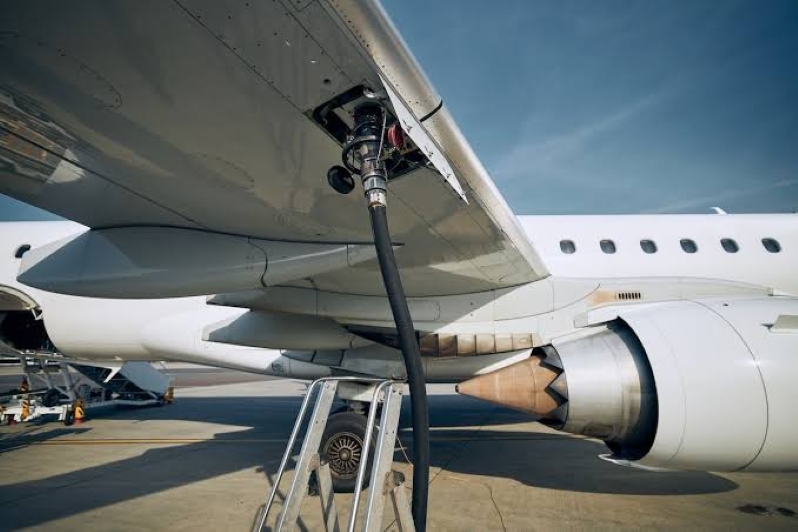
Brisbane Airport sustainable aviation fuel (SAF) project is complete, making the airport the first in Australia with dedicated infrastructure capable of supplying SAF directly into its existing jet fuel distribution network. It also marks an important milestone in Australia’s efforts to decarbonize aviation.
The SAF project at Brisbane Airport was delivered by Viva Energy with support from the Australian Renewable Energy Agency (ARENA). It establishes an end-to-end SAF supply chain that enables blended sustainable aviation fuel to be received, stored, blended, certified and transported through Brisbane Airport’s existing fuel pipeline system.
The initiative also demonstrates how existing airport fuel infrastructure can be adapted to support lower-carbon aviation fuels. This is while minimizing operational disruption for airlines and airport operators.
The development also forms part of Australia’s broader strategy to accelerate domestic SAF production. This is as it seeks to strengthen energy security amid soaring global demand for sustainable aviation fuel.
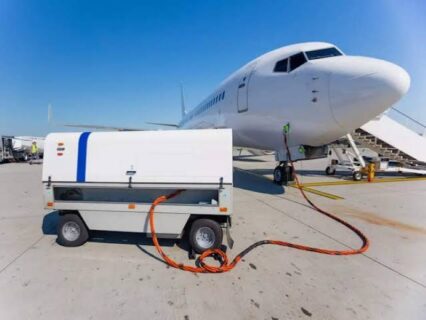
Brisbane Airport SAF Project
The SAF project also centers on Viva Energy’s Pinkenba fuel terminal, located adjacent to Brisbane Airport. Existing fuel storage infrastructure has been refurbished and upgraded to accommodate sustainable aviation fuel blends before they are transported through dedicated pipelines into the airport’s fuel distribution system.
Infrastructure
Unlike conventional demonstration projects that rely on temporary logistics, the Brisbane facility integrates SAF into the airport’s normal fuel supply operations.
Airlines refueling at Brisbane Airport can therefore access SAF blends without requiring any modifications to aircraft, airport operations or fueling procedures, as certified SAF blends meet existing aviation fuel specifications. The sustainable fuel project also comes as Brisbane Airport upgrade project continues to gather momentum in preparation for the 2032 Summer Olympic games.
Project funding
The project received approximately A$2.4 million in funding from ARENA’s Sustainable Aviation Fuel Funding Initiative. It formed part of a total project investment of around A$4.9 million.
Additionally, beyond infrastructure upgrades, the project will generate operational data, supply chain knowledge and commercial experience. This can be shared with industry to accelerate wider SAF adoption across Australia.
Brisbane Airport Sustainable Aviation Fuel (SAF) Project
Location: Brisbane Airport, Queensland, Australia
Developer: Viva Energy
Funding agency: Australian Renewable Energy Agency (ARENA)
Airport operator: Brisbane Airport Corporation
Project value: A$4.93 million
ARENA funding: A$2.39 million
Infrastructure: Refurbished fuel storage tank, blending facilities, pipeline upgrades and book-and-claim system
Feedstocks: Certified sustainable aviation fuel produced from renewable feedstocks including used cooking oil and other biogenic materials
Significance: Australia’s first dedicated end-to-end sustainable aviation fuel supply infrastructure at a major airport
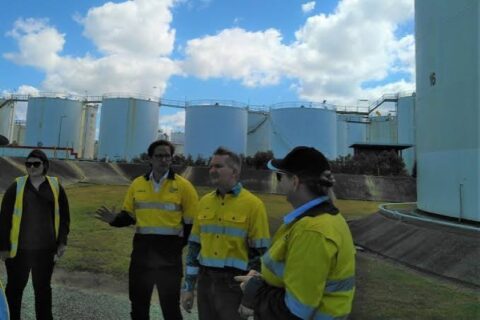
Book-and-claim system as a market stimulating mechanism
Vivo Energy’s SAF project at Brisbane Airport also includes an innovative “book-and-claim” system. This allows airlines and other aviation customers to purchase and claim the environmental benefits of SAF even when the physical fuel is supplied elsewhere in the network.
It is a system increasingly viewed as an important mechanism for stimulating early market demand before production volumes become widespread.
Significance to the aviation industry
The project comes as Australia seeks to establish a domestic sustainable aviation fuel industry capable of reducing reliance on imported jet fuel.
Recent geopolitical disruptions affecting global fuel supply chains also reinforce the strategic importance of developing domestic alternatives. By establishing Australia’s first dedicated airport SAF infrastructure, Brisbane Airport and Viva Energy have created an important enabling asset. It can accommodate increasing volumes of locally produced sustainable fuel as new production facilities come online over the coming years.
The development also complements other ARENA-backed projects. This includes feasibility studies into producing SAF from agricultural residues and biomass in Queensland. This is with aim of establishing both the production and distribution sides of Australia’s emerging renewable fuels sector.
Aviation emissions reduction target by 2050
Commercial aviation accounts for one of the most difficult sectors to decarbonize. This is because long-haul aircraft have limited alternatives to liquid fuels.
Industry forecasts also estimate that sustainable aviation fuel could contribute between 50% and 70% of aviation’s emissions reductions by 2050, making it the sector’s most significant decarbonization pathway over the coming decades. However, Australia currently has very limited domestic SAF production capacity, with most fuel still imported.
The Brisbane Airport project addresses a critical gap by focusing on the infrastructure needed to distribute SAF efficiently. This is compared to waiting for large-scale domestic production to emerge. Using existing storage tanks, pipelines and pumping systems also significantly reduces the capital investment required for airports to begin handling sustainable fuels. This could also be replicated at other airports around the world.
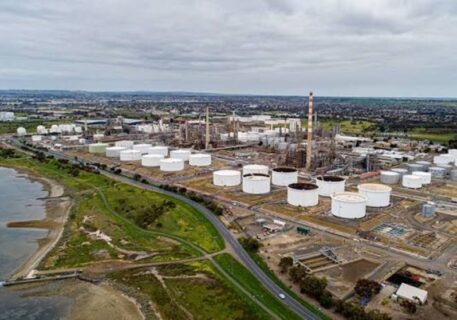
Environmental benefits of sustainable aviation fuel (SAF)
Sustainable aviation fuel is produced from renewable feedstocks such as used cooking oil, agricultural residues, municipal waste and other biological materials. When blended with conventional jet fuel, certified SAF can significantly reduce lifecycle greenhouse gas emissions. This is while remaining fully compatible with existing aircraft engines and airport infrastructure.
Brisbane Airport has also identified aviation-related Scope 3 emissions as its largest emissions challenge. While the airport has already achieved substantial reductions in its own operational emissions through renewable electricity, solar generation and electrification initiatives, widespread adoption of SAF represents one of the most important opportunities to reduce emissions associated with airline operations.
By making SAF available through routine airport fueling operations, Viva Energy’s project at Brisbane Airport supports airlines seeking to meet increasingly ambitious sustainability commitments.
Outlook on Brisbane Airport SAF Project
The Brisbane Airport project is expected to serve as a blueprint for other Australian airports considering sustainable aviation fuel infrastructure investments. Additionally, as domestic production capacity expands through new biorefineries and renewable fuel projects, having established distribution infrastructure will be essential for better market adoption.
The project’s book-and-claim system may also become an important mechanism for enabling regional airports and smaller operators to participate in Australia’s SAF market. This is regardless of physical fuel delivery.


Leave a Reply