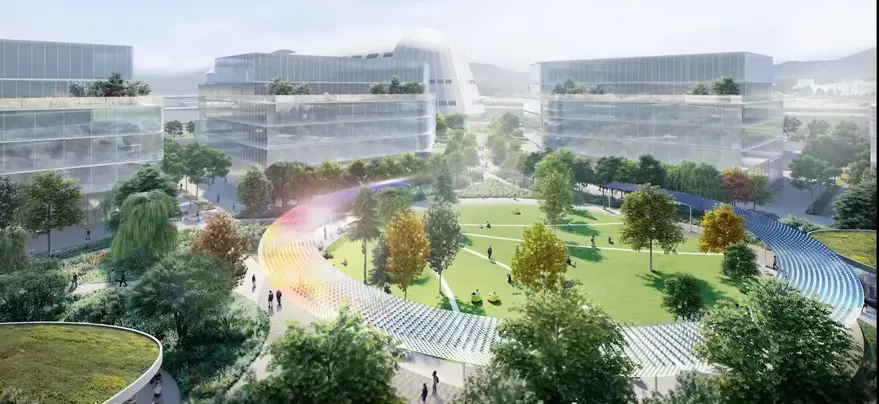
The Berkeley Space Data Center project continues to advance in California as environmental review and development planning progress through 2026. The approximately $2 billion mixed-use research campus is planned for the NASA Ames Research Center at Moffett Field.
Once completed, the development will provide world-class facilities for artificial intelligence, aerospace research, robotics, quantum computing, biotechnology, and advanced manufacturing. It also aims to strengthen collaboration between academia, government, and the private sector while expanding the region’s innovation ecosystem.
The project is being delivered through a partnership between the University of California, Berkeley and NASA Ames Research Center, with SKS Partners serving as the private development partner.
In addition, the project continues to attract technology companies and research institutions interested in establishing facilities within the campus. Consequently, the development remains one of the largest research infrastructure projects currently planned in the United States.
Berkeley Space Data Center progresses through planning and environmental approvals
Development activities on the Berkeley Space Data Center have continued throughout 2026 as project partners advance regulatory approvals and technical planning. The Draft Environmental Impact Report and Environmental Impact Statement (EIR/EIS) have been released for public review, marking one of the project’s most significant milestones before construction approval.
Meanwhile, planners continue refining the campus master plan following stakeholder consultations and agency feedback. Environmental assessments have focused on transportation, utility capacity, housing demand, air quality, and ecological impacts across the proposed development site.
Project partners have also continued engaging prospective research institutions and commercial technology tenants. These discussions aim to secure long-term occupants before construction begins. At the same time, design teams are refining laboratory layouts, innovation spaces, public amenities, and supporting infrastructure.
Current plans include approximately 2.3 million square feet of development across a 36-acre site within NASA Ames Research Center. The master plan incorporates research laboratories, academic buildings, office space, conference facilities, retail areas, visitor accommodation, housing, and landscaped public spaces.
Although vertical construction has not started, the project continues progressing through its pre-construction phase. Construction is expected to commence after environmental approvals, regulatory clearances, and final development agreements are completed.
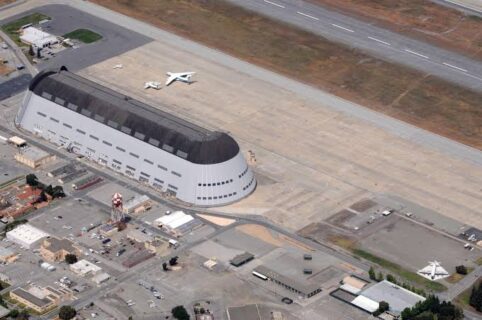
Berkeley Space Data Center strengthens America’s advanced research infrastructure
The Berkeley Space Data Center forms part of a broader effort to expand advanced research infrastructure across the United States. Increasing investment in artificial intelligence, aerospace technologies, semiconductor research, and quantum computing continues driving demand for purpose-built innovation campuses.
The project also supports NASA’s long-term strategy of expanding public-private collaboration at Ames Research Center. Furthermore, UC Berkeley intends to strengthen partnerships between academic researchers, technology companies, government agencies, and startup businesses through the development.
The innovation campus will complement other major digital infrastructure projects currently under development worldwide. For example, the Samsung Floating Data Center is preparing for commercial deployment in 2028 through a floating 50MW offshore AI facility designed to address growing computing demand. Together, the two developments demonstrate how next-generation infrastructure is evolving to support artificial intelligence through both land-based research campuses and offshore digital facilities.
As planning advances, the Berkeley Space Data Center remains one of the most closely watched research construction projects in North America. Its progress will likely influence future university-industry partnerships and innovation district developments across the region.
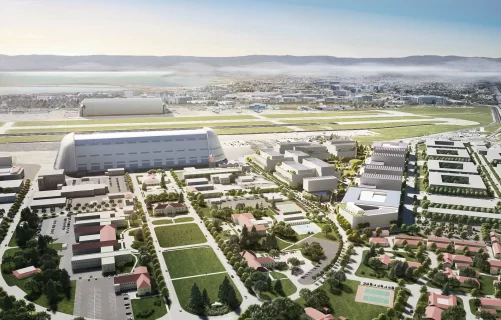
Expected construction start on Berkeley Space Center
Construction depends on an environmental review and is expected to start in about three years. The University of California will use about 10% of the 130,000 square meters for offices and R&D. The plan includes 1.4 million square feet of Class-A and R&D spaces, a conference center, academic facilities, retail outlets, and nearly 18 acres of open space.
One notable feature is the Berkeley Space Center’s potential to host UC Berkeley classes. Promoting collaboration between students and industry leaders. UC Berkeley Chancellor Carol Christ is enthusiastic about the opportunities this expansion presents.
Read also: New NASA Flight Dynamics Research Facility to be developed in Langley
UC Berkeley has already invested around $1 million in the project, covering faculty, staff, student salaries, and academic planning. The $2 billion budget for the next decade will come from various private funding sources.
Furthermore, the Berkeley Space Center will provide retraining opportunities. Aerospace engineers with older degrees may seek to update their expertise in areas such as machine learning, artificial intelligence, data science, computing, and space robotics.
In summary, the Center promises to revolutionize research, innovation, and education. It reflects the strong commitment of the University of California, SKS Partners, and NASA Ames Research Center to pioneering advancements in research and technology.
Project Fact Sheet
Project name: Berkeley Space Data Center
Value: Approximately $2 billion
Location: NASA Ames Research Center, Moffett Field, Mountain View, California, USA
Project type: Mixed-use research and innovation campus
Site area: Approximately 36 acres
Gross floor area: Up to 2.3 million square feet (approximately 213,700 m²)
Development components:
- Advanced research laboratories
- Artificial intelligence research facilities
- Aerospace research and innovation centers
- Quantum computing laboratories
- Biotechnology research space
- Robotics and autonomous systems laboratories
- Office buildings
- Academic and teaching facilities
- Conference and collaboration centers
- Retail and dining amenities
- Hotel and visitor accommodation
- Residential housing for faculty, researchers, and students
- Public open spaces and landscaped areas
Current status (2026):
- Draft Environmental Impact Report (EIR) and Environmental Impact Statement (EIS) released for public review
- Environmental and regulatory approvals ongoing
- Master planning and design refinement continuing
- Stakeholder and prospective tenant engagement underway
- Construction yet to commence
Primary objective: Establish a world-class innovation hub for aerospace, artificial intelligence, advanced computing, and scientific research
Expected users:
- UC Berkeley researchers
- NASA scientists
- Technology companies
- Startups
- Government agencies
- Academic partners
Procurement status: Pre-construction planning and regulatory approvals
Construction start: Pending completion of environmental review, approvals, and development agreements
Long-term impact: Strengthen public-private research collaboration while expanding Northern California’s innovation and technology ecosystem.
Project Team
Project Owner: University of California, Berkeley
Federal Land Partner: NASA Ames Research Center
Development Partner: SKS Partners
Development Entity: Moffett Partners LLC
Master Planner and Lead Architect: HOK
Landscape Architect: Field Operations
Environmental Review Leads:
- University of California
- Berkeley and NASA Ames Research Center
Planning Authorities: University of California, Office of the President and NASA Ames Research Center
Environmental Review Framework: California Environmental Quality Act (CEQA) and National Environmental Policy Act (NEPA)

Leave a Reply