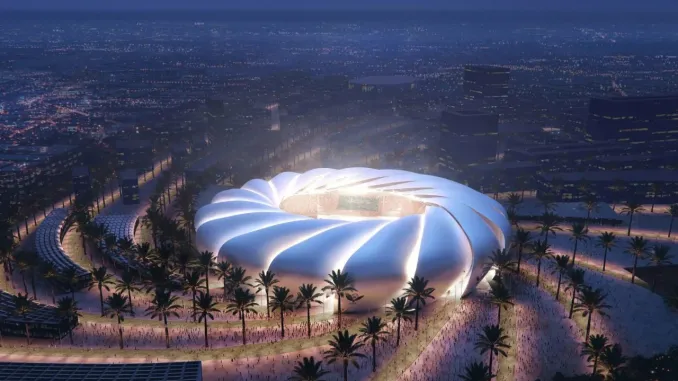
Saudi-Aramco Stadium project continues advancing steadily as construction progresses in Al Khobar, positioning the venue as a key asset for upcoming international tournaments. The $1 billion development forms part of Saudi Arabia’s broader stadium construction program supporting Vision 2030, while strengthening the Kingdom’s readiness for global sporting events.
Saudi-Aramco Stadium project reaches advanced construction stage
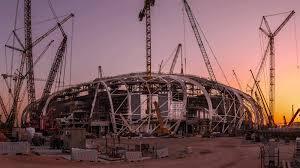
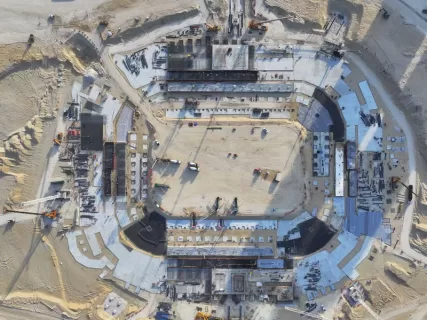
The Saudi-Aramco Stadium project has moved firmly into the construction phase, with works ongoing since ground-breaking in 2024. Contractors continue structural and systems installation activities as the project tracks toward a planned 2026 completion timeline. Moreover, the 47,000-seat stadium is being developed in Al Khobar within the Eastern Province. The facility will host matches during the 2027 AFC Asian Cup and the 2034 FIFA World Cup, reinforcing its strategic importance.
In addition, the project integrates advanced cooling systems and hybrid grass pitch technology to meet international football standards. Specialist contractors are delivering high-performance turf systems and supporting infrastructure to ensure optimal playing conditions. Meanwhile, despite minor construction incidents reported in early 2026, works have continued with minimal disruption. Therefore, stakeholders remain focused on delivering the project within the scheduled timeframe.
Notably, the project aligns with a wider national push to deliver world-class stadium infrastructure. Similarly, the National Athletics Stadium project in Qiddiya is progressing toward tender stage, highlighting a coordinated pipeline of major sports developments across the Kingdom.
Saudi-Aramco Stadium project design and delivery framework
The Saudi-Aramco Stadium project features a modern architectural design inspired by coastal fluid dynamics, reflecting the identity of Al Khobar. Designers are prioritizing fan experience, operational efficiency, and compliance with FIFA requirements for international tournaments.
Furthermore, the stadium incorporates flexible seating configurations and multipurpose capabilities. This approach enables the venue to host football matches, concerts, and large-scale events, thereby enhancing long-term commercial viability.
At the same time, the development integrates digital infrastructure to support broadcasting, security systems, and smart stadium operations. These features ensure the venue meets evolving global standards for sports and entertainment facilities.
Additionally, the project benefits from collaboration between international architects, contractors, and local delivery partners. This integrated model strengthens execution efficiency while ensuring compliance with both global and regional standards.
Saudi-Aramco Stadium project supports Saudi Arabia’s sports infrastructure strategy
The Saudi-Aramco Stadium project plays a critical role in Saudi Arabia’s ambition to become a global sports destination. As a result, the development supports tourism growth, job creation, and private-sector participation in infrastructure delivery.
Moreover, the stadium will serve as the future home ground for Al-Qadsiah FC, further embedding it within the local sports ecosystem.
In addition, the project contributes to a broader portfolio of stadium developments planned across multiple cities. These investments aim to position Saudi Arabia as a competitive host for international sporting events.
Importantly, the ongoing construction demonstrates steady progress across the Kingdom’s mega-project pipeline. Therefore, the Saudi-Aramco Stadium project remains a key benchmark for timely delivery and technical excellence.
Aramco Stadium features
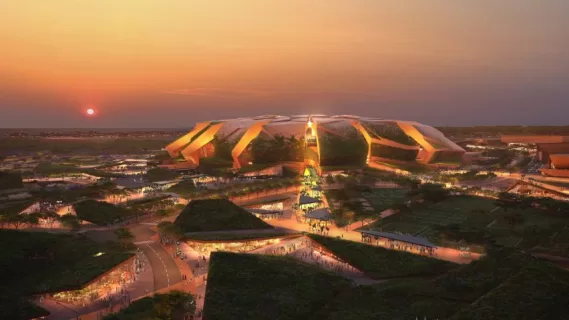
The stadium is anticipated to feature a wide array of advanced facilities. These include general admission areas, VIP/VVIP hospitality sections, player accommodations, media facilities. Additionally, training pitches and parking facilities, according to the BESIX press release. The stadium will also have an energy center that is expected to supply power and cooling, and extensive road and landscape developments.
Also Read: ACWA Power commissions 700MW AlRass1 Solar Photovoltaic Project in Saudi Arabia
The project team includes BESIX and ALBAWANI, a joint venture (JV) which will design and build the stadium. The project is managed by Aramco. The architect behind the stadium is Populous who also designed the surrounding master plan in Al Khobar. Aramco is aiming to comply with inclusive design practices that will help it attain LEED (Leadership in Energy and Environmental Design) certification for sustainability.
Who is BESIX?
BESIX, a Belgian company, is no stranger to the Middle Eastern marker, having established business since 1966. It was involved in Dubai’s iconic Burj Khalifa and the Grand Egyptian Museum on the Giza Pyramids plateau. Most recently, it constructed the 60,000-seat King Abdullah International Stadium in Jeddah, Saudi Arabia, a worldclass stadium. Peter Lembrechts, the BESIX Middle East general manager, said: “Our strategic entry into Saudi Arabia is driven by BESIX’s exceptional engineering capabilities, which have been demonstrated time and again in our successful delivery of complex design-and-build projects across the region.
Also Read Saudi Arabia Approves Designs for World’s Tallest Sports Tower in Riyadh
Preparation for the 2034 World Cup
This is one of the 11 stadiums proposed for construction in Saudi Arabia ahead of the 2034 World Cup. The grand scheme additionally includes the renovation of four existing stadiums. Projected costs for all these projects have, however, not been disclosed by the authorities.
Also Read The 62,000-Seater King Abdullah Sports City Stadium Kicks Off Renovation for the 2034 World Cup.
The King Salaman Stadium
Another grand stadium project in Saudi Arabia is the King Salaman Stadium, located in Riyadh. The facility will have a seating capacity of 92,000. Further, it is expected to be completed and open to the public by 2029. Just like the Aramco Stadium project, this gigantic stadium has been designed by Populous. It will host the final game for the 2032 World Cup. Additionally, an interesting fact about the stadium is it will have 120 hospitality suites and an additional 2,200 dignitary suites. There will also be an Olympic-sized stadium, athletics track, outdoor courts for volleyball and basketball and an arena.
Also Read: ROSHN Group Unveils Plans for Iconic 45,000-Seat ROSHN Stadium in Southwest Riyadh
Project Fact Sheet
Project Name: Saudi-Aramco Stadium project
Location: Al Khobar
Project Value: $1 billion
Project Type: Multi-purpose football stadium
Capacity: Approximately 47,000 seats
Owner: ROSHN
Operator: Saudi Aramco
Status (2026):
- Under construction
- Structural and systems works ongoing
- Completion targeted for 2026
Key Features:
- Hybrid grass pitch system
- Advanced cooling technologies
- FIFA-compliant stadium design
- Multipurpose event capability
Major Events:
2027 AFC Asian Cup
2034 FIFA World Cup
Project Team
Project Owners:
Development Partners: Partnership between ROSHN and Saudi Aramco driving project delivery
Sponsors and Strategic Partners:
- Saudi government entities supporting Vision 2030
- International football governing bodies including FIFA and Asian Football Confederation
Lead Architect: Populous
Main Contractors:
Specialist Contractors and Subcontractors:
- SIS Pitches – pitch design and installation
- Structural steel and roofing contractors (to support long-span structures)
- MEP contractors delivering mechanical and electrical systems
- ICT and smart stadium systems providers
End Users / Tenants: Al-Qadsiah FC (men and women teams planned)

Leave a Reply