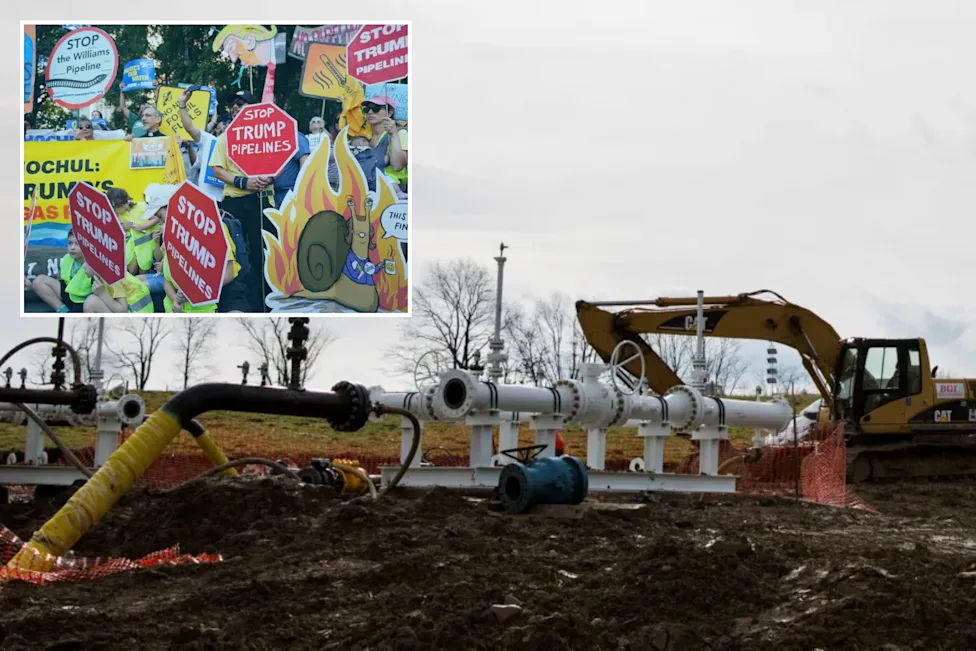
The contentious $1bn+ Northeast Supply Enhancement (NESE) gas pipeline is expected to break ground in New York City. The project is expected to break ground this week despite being marred in controversy. Moreover, it is set to run off the coast of the city to boost the region’s energy supply. President Trump and his administration have shown a strong backing to the project.
He has also used his influence to persuade Democratic Gov. Kathy Hochul to approve the permits allowing the project to proceed. However, fierce opposition has been mounted from anti-fossil fuel environmentalists who are opposing its development. Energy Secretary Chris Wright, Interior Secretary Doug Burgum will attend the event at Brooklyn’s Floyd Bennett Field. Environmental Protection Secretary Lee Zeldin will also be present.
It is hosted by William Companies, the firm managing the construction of the project. Burgum has claimed China outpaced America’s electricity production because past administrations put US “energy and national security at risk by burying America’s Balance Sheet under red tape.” Williams’ NESE project also expands the existing Transco natural gas pipeline system, which already serves parts of Pennsylvania, New Jersey and New York.
Other Projects
Other related energy projects are also advancing across the United States such as the $1.5bn gas-fired power plant in North Jacksonville. The project is a record infrastructure investment by JEA in years having been approved in August last year. The new power plant will cover around 40 acres at the location of the old St. Johns River Power Park. It is also where a historic coal-burning facility was demolished in 2018.
Outlook on the Northeast Supply Enhancement Pipeline in New York
The Northeast Supply Enhancement Pipeline in New York City has been deemed by the Trump administration as an essential project. “Under President Donald J. Trump, we’re reversing course with projects like the NESE pipeline to unleash American Energy Dominance, lower costs for American consumers, and restore a strong, reliable grid,” Burgum said.
Furthermore, he claimed the project would spur $1.8 billion in economic development and lower electricity bills by $6 billion over 15 years. The pipeline had been stalled for years after state regulators denied permits over water quality concerns. However, the state restarted the approval process for the natural gas project after an Oval Office meeting between Hochul and Trump regarding congestion pricing.
Once implemented, it is also expected to extend from Pennsylvania through New Jersey and on Staten Island and the Rockaways. Federal officials said the NESE pipeline project will boost reliability during peak winter demand and also during extreme weather. It is designed to provide 400,000 dekatherms per day of natural gas to serve existing National Grid customers in Brooklyn, Queens, and Long Island.
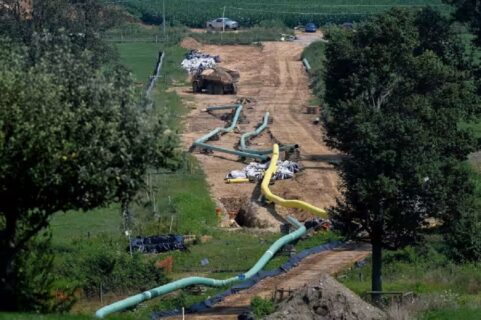
Project Overview
- Project Name: Northeast Supply Enhancement (NESE) Pipeline
- Project Type: Natural gas pipeline expansion
- Value: $1 billion+
- Purpose: Increase gas supply and energy reliability in New York region
- Status: Construction expected to commence
Key Stakeholders
- Developer / Operator: Williams Companies
- Government Support: Donald Trump administration
- State Authority: Kathy Hochul
- Federal Officials: Chris Wright, Doug Burgum, Lee Zeldin
- Opposition: Environmental and anti-fossil fuel groups
Location
- Primary Area: New York City
- Route: Offshore NYC; extends from Pennsylvania through New Jersey to New York
- Key Areas Served: Brooklyn, Queens, Staten Island, Long Island
- Country: United States
Scope
- Expansion of existing Transco natural gas pipeline system
- Offshore pipeline construction near NYC
- Capacity: ~400,000 dekatherms/day
- Also designed to meet peak winter demand and extreme weather needs
Funding / Delivery Model
- Privately developed energy infrastructure
- Led by Williams Companies
- Also requires federal and state regulatory approvals
- Supported through policy and permitting processes
Status
- Stage: Pre-construction
- Milestone: Groundbreaking expected imminently
- History: Previously stalled due to permit denials (water quality concerns)
- Update: Approval process restarted
Key Risks & Challenges
- Strong environmental opposition
- Also regulatory and permitting uncertainty
- Legal and policy challenges
Strategic Significance
- Expands regional gas supply infrastructure
- Moreover, it supports grid reliability during high demand periods
- It is also part of broader US energy policy direction

Leave a Reply