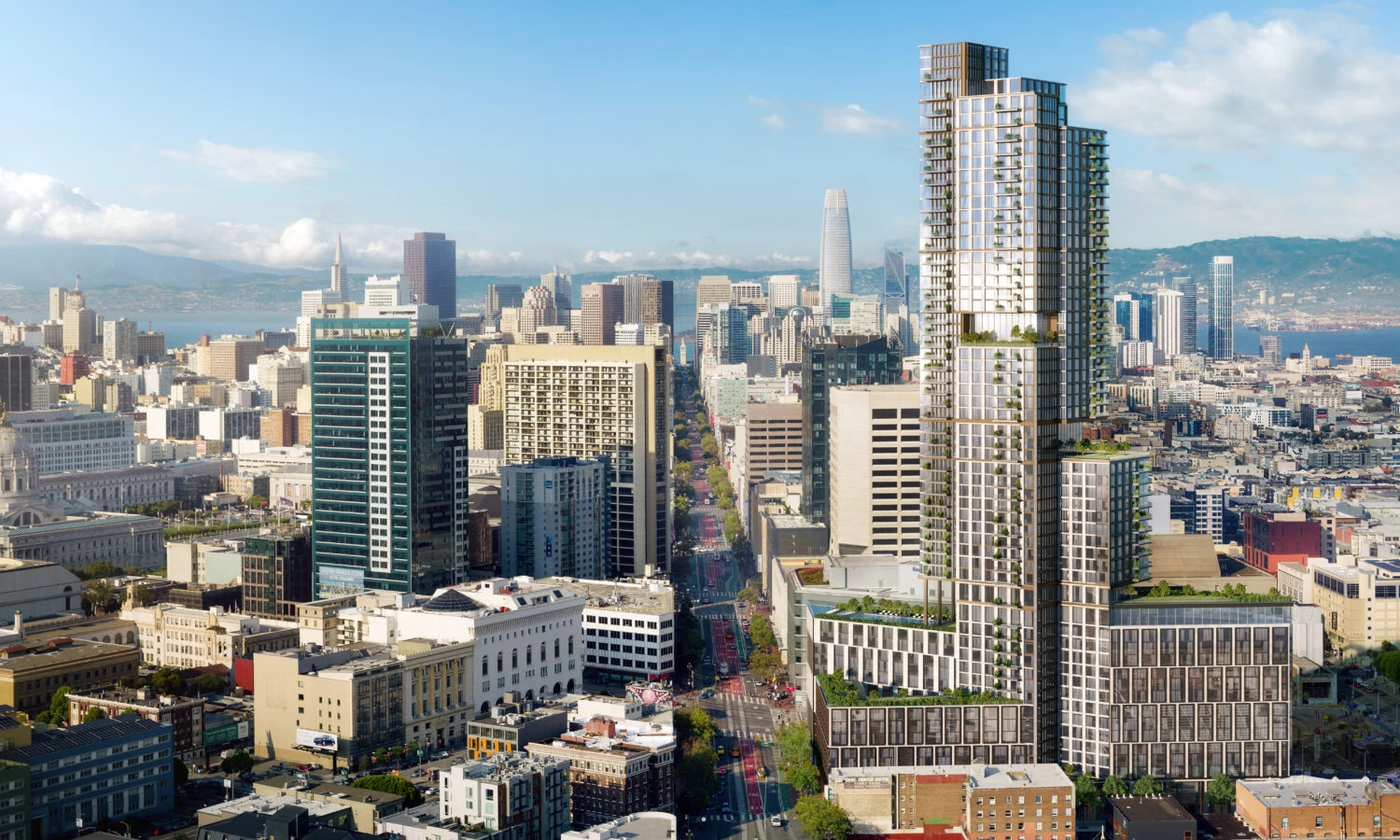
Miami-based developer Crescent Heights has officially re-initiated pre-construction activities for its colossal residential skyscraper at 10 South Van Ness Avenue, a project that promises to fundamentally alter the San Francisco skyline while delivering over 1,000 new homes to the city’s housing-starved market. It was reported on Wednesday that the developer has begun the active pricing phase for construction, design, and engineering services, signaling a definitive end to the years of stagnation that plagued the site formerly occupied by a Honda dealership.
This 67-story tower, which has been in the planning pipeline for nearly a decade, represents one of the most significant private real estate investments in the post-pandemic recovery era of downtown San Francisco, a period otherwise defined by stalled developments and high office vacancy rates. By moving forward with a project of this magnitude, Crescent Heights is effectively placing a long-term bet on the resilience of the “Hub” district, an area zoned for high-density growth that sits at the strategic intersection of Market Street and Van Ness Avenue.
Redefining the Hub with Record-Breaking Density
Designed by the internationally acclaimed architectural firm Kohn Pedersen Fox (KPF), the proposed structure will rise approximately 780 feet above street level, positioning it as the fourth-tallest building in San Francisco and a dominant visual anchor for the city’s western skyline. The latest permit filings indicate a substantial increase in residential density compared to earlier iterations, with the unit count now swelling to approximately 1,104 apartments, a mix that includes studios, one-bedrooms, two-bedrooms, and expansive three-bedroom family units.
The architectural vision for the tower features a distinctive glass-clad façade rising from a sculpted 13-story podium that is designed to activate the street level with over 18,000 square feet of retail and restaurant space. Residents will have access to a suite of ultra-luxury amenities that rivals the city’s most exclusive addresses, including an indoor swimming pool, landscaped outdoor decks on the podium levels, and a crowning 50th-floor amenity floor offering panoramic views of the Bay Area.
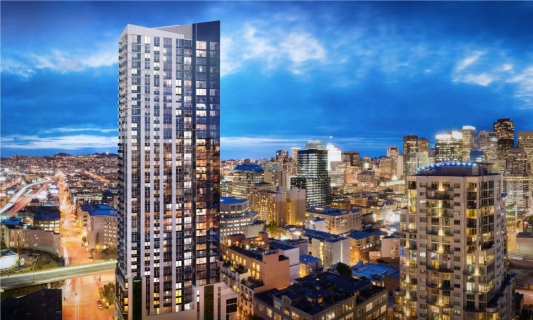
10 South Van Ness Tower: Factsheet
Location: 10 South Van Ness Avenue, San Francisco, CA
Developer: Crescent Heights (Miami)
Architect: Kohn Pedersen Fox (KPF)
Project Type: Residential High-Rise / Mixed-Use
Status: Pre-Construction / Pricing Phase (Dec 2025)
Target Construction Start: 2027
Key Stats:
Height: ~780 feet (67 stories)
Rank: Potential 4th tallest in San Francisco
Units: ~1,104 apartments
Affordable Units: ~87 (Below Market Rate)
Commercial Space: >18,000 sq ft (Retail/Restaurant)
Key Features:
13-story podium with landscaped decks.
50th-floor resident amenity level.
Indoor pool and fitness center.
Located in “The Hub” upzoning district.
Navigating a Complex Economic Landscape
The decision to proceed with the pricing and procurement phase comes at a time when San Francisco’s construction sector faces severe headwinds in the form of elevated interest rates and exorbitant building costs which have recently halted neighboring projects like Lendlease’s Hayes Point. Further, Crescent Heights is leveraging the State Density Bonus Law to maximize the site’s potential, a regulatory mechanism that allows for increased height and density in exchange for the inclusion of on-site affordable housing units, currently designated at 87 below-market-rate apartments.
This strategic utilization of state-level housing mandates aligns with Mayor Daniel Lurie’s aggressive push to meet the city’s requirement of producing 82,000 new housing units by 2031—a mission highlighted by the groundbreaking for 300 De Haro affordable housing in San Francisco—effectively fast-tracking a development that might otherwise have remained in limbo. While a precise groundbreaking date remains fluid, the developer’s current timeline targets a construction start in 2027, allowing sufficient lead time to finalize complex financing packages and lock in contractor bids in a fluctuating market environment.
Leave a Reply