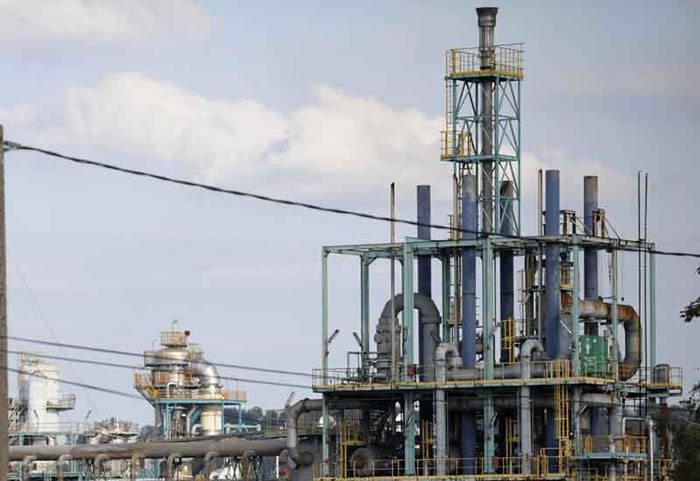
The Egypt petrochemical project valued at $2.2B continues facing delays due to ongoing natural gas supply constraints affecting feedstock availability. Moreover, the project reflects broader energy challenges influencing industrial timelines, particularly for gas-dependent developments within Egypt’s petrochemical sector.
Recent updates in 2026 confirm that gas shortages remain a key constraint, therefore slowing progress on the project. Consequently, stakeholders continue reviewing timelines while aligning development plans with improved energy supply strategies.
Moreover, Egypt continues leveraging its strategic location and infrastructure to position itself as a petrochemical hub. In the long term, resolving supply constraints will determine the pace of project execution and sector competitiveness.
The announcement comes amidst persistent efforts by the government to beat gas shortages that have locked the country. Many oil and gas fields were shut following protests by groups with interests, since the ouster of former Prime Minister Mohamed Morsi.
A $408 million polystyrene complex located in Alexandria’s Damietta port will also be part of the projects launched, and which will face delays. The Minister of Petroleum, Mr. Sherif Ismail announced that a $2.2 billion fertilizer complex was also affected. This complex was planned to produce a total of 200, 000 tons per annum (tpa).
“The country is suffering from a shortage in gas supplies, which has affected completion of some petrochemical projects, on which work had already started.” Ismail said, adding that they relied on gas. Meanwhile, the country has turned to projects that use of naphtha.
Western Desert’s $1.6 billion ethylene and derivatives project will also go slow owing to the gas shortages. This, together with the polystyrene complex, will now go to the testing phase in the first quarter of 2015. The minister said they were expected to undergo this stage during the first half of 2014.
A complex at Suez Gulf Industrial Zone, planned for production of benzene, propylene and polyethylene, will also be expected to consume a $2 billion of the exchequer. The petrochemical project was earlier on launched by the of the General Authority for the Northwestern Suez Gulf Economic Zone.
Egypt petrochemical project delay reflects wider energy supply pressures
Firstly, the Egypt petrochemical project depends on steady natural gas supply to sustain its processing operations. However, supply fluctuations have disrupted planning, thus delaying engineering design finalization and early-stage construction activities.
Additionally, rising domestic demand and export commitments have tightened gas availability across Egypt. As a result, industrial projects, including petrochemical developments, continue facing allocation challenges that affect execution schedules.
Meanwhile, authorities are advancing mitigation strategies, including LNG imports and infrastructure upgrades. Therefore, developers remain cautious while awaiting improved feedstock reliability before progressing into full construction.
Currently, the Egypt petrochemical project remains in a planning adjustment phase as stakeholders reassess technical and commercial viability. Although agreements remain intact, contractors have yet to mobilize fully on-site pending clearer energy supply assurances.
However, Egypt continues progressing other industrial investments, including the Egypt chemical projects worth $740M in SCZone, which prioritize diversified production streams. Consequently, these newer developments highlight adaptive strategies within the sector.
Furthermore, the contrast between delayed petrochemical investments and advancing chemical projects underscores the importance of feedstock flexibility. Therefore, future petrochemical growth will depend heavily on energy sector stability.
Strategic implications for Egypt’s industrial development
Finally, the delay emphasizes the critical role of energy security in sustaining industrial expansion. Consequently, policymakers are accelerating reforms to enhance gas supply reliability and attract long-term industrial investment.
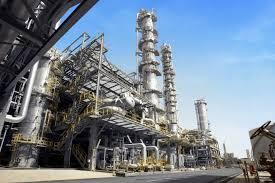
Project Fact Sheet
Project Name: Egypt Petrochemical Project
Location: Ain Sokhna, Suez Canal Economic Zone, Egypt
Estimated Cost: $2.2 billion
Project Type: Petrochemical Complex
Project Scope:
- Development of an integrated petrochemical production facility
- Production of polymers and downstream petrochemical derivatives
Current Status (2026): Delayed / under review due to gas supply constraints
Key Challenge: Limited natural gas feedstock availability
Development Model: Public-private investment partnership
Economic Impact:
- Export-oriented production
- Industrial diversification
- Job creation and technology transfer
Project Team
Project Owner / Sponsor: Government of Egypt
Primary Sponsor / Investor: Anchorage Investments
Zone Authority: Suez Canal Economic Zone (SCZone)
Government Partners: Ministry of Petroleum and Mineral Resources (Egypt)
Strategic Partners:
- International petrochemical technology providers (to be confirmed)
- Feedstock supply partners (subject to gas allocation agreements)
Engineering, Procurement, and Construction (EPC) Contractors: To be appointed (pending final investment decision and project restart)
Financial Partners: Institutional investors and potential export credit agencies (under consideration)
Key Stakeholders:
- Energy suppliers
- Logistics and port operators
- Industrial off-takers and global petrochemical buyers
End Users:
- Plastics and manufacturing industries
- Export markets across Europe, Asia, and Africa

Leave a Reply