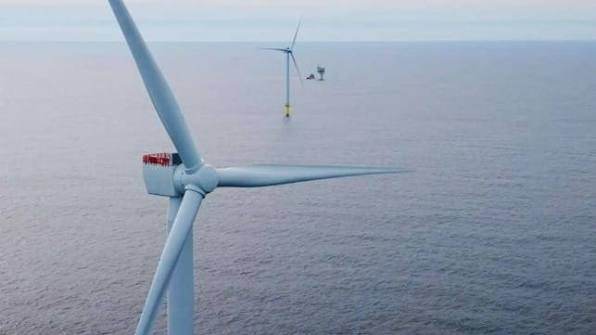
The federal government’s latest offshore wind buyback deal has removed another major project from the U.S. pipeline, with Duke Energy agreeing to end its Carolina Long Bay lease off North Carolina in exchange for a $129 million reimbursement. The move adds fresh momentum to a fast-expanding wave of cancellations that is reshaping the offshore wind sector and redirecting investment toward other forms of power generation.
The Duke agreement, announced June 29, is the fourth major offshore wind lease buyout finalized this year. Together with earlier deals, the program has now committed more than $2.5 billion and, by some estimates, closer to $2.6 billion in federal payments to persuade developers to walk away from offshore wind projects.
Duke’s project had been in an early development stage and had not yet reached construction. In a statement tied to the agreement, the company said it would redirect the reimbursed funds into power investments that could include new nuclear generation, natural gas infrastructure, and grid upgrades in the Carolinas.
Other buyback agreements
The latest deal follows a similar $765 million buyback agreement announced in mid-June for four Invenergy leases in the New York Bight, the Gulf of Maine, and off California. Earlier settlements also involved offshore wind projects linked to TotalEnergies and other developers. The administration has framed the buybacks as a way to move capital into what it sees as more reliable energy sources, while critics argue the approach is draining public money from projects that had already cleared federal leasing steps.
The result is an increasingly uncertain future for U.S. offshore wind. Developers face a policy environment in which approved leases can be bought back and cancelled before construction begins, creating new risks for financing, permitting, port planning, and supply-chain investment. For states that had invested in ports and supporting infrastructure, the cancellations also threaten local economic plans tied to offshore wind buildout.
Legal challenges are already building around the buyback strategy. States and clean-energy groups argue the Interior Department lacks authority to refund lease payments and then steer capital toward other energy projects without congressional approval. That has turned the offshore wind rollback into more than a policy dispute: it is now a broader fight over federal spending power, energy planning, and the future of large-scale renewable development in the United States.
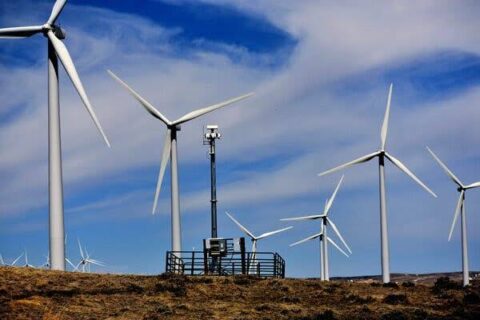
The retreat from offshore wind stands in sharp contrast to onshore wind’s trajectory this year. In New Mexico, Pattern Energy’s SunZia project — the largest renewable energy infrastructure development in U.S. history — recently reached full commercial operation and closed a $546 million preferred equity investment from Nuveen, underscoring that capital and momentum are still flowing into large-scale wind, just increasingly onshore rather than offshore.
Factsheet
Latest development: Duke Energy agreed to terminate its Carolina Long Bay offshore wind lease.
Announcement date: June 29, 2026.
Federal reimbursement: $129 million.
Project stage: Early-stage; no construction had begun.
Earlier major buyback: Invenergy’s four leases for $765 million.
Total federal buyback spending: More than $2.5 billion, with some reporting closer to $2.6 billion after the Duke deal.
Main consequence: Greater uncertainty for offshore wind financing, permitting, and state infrastructure planning.



Leave a Reply