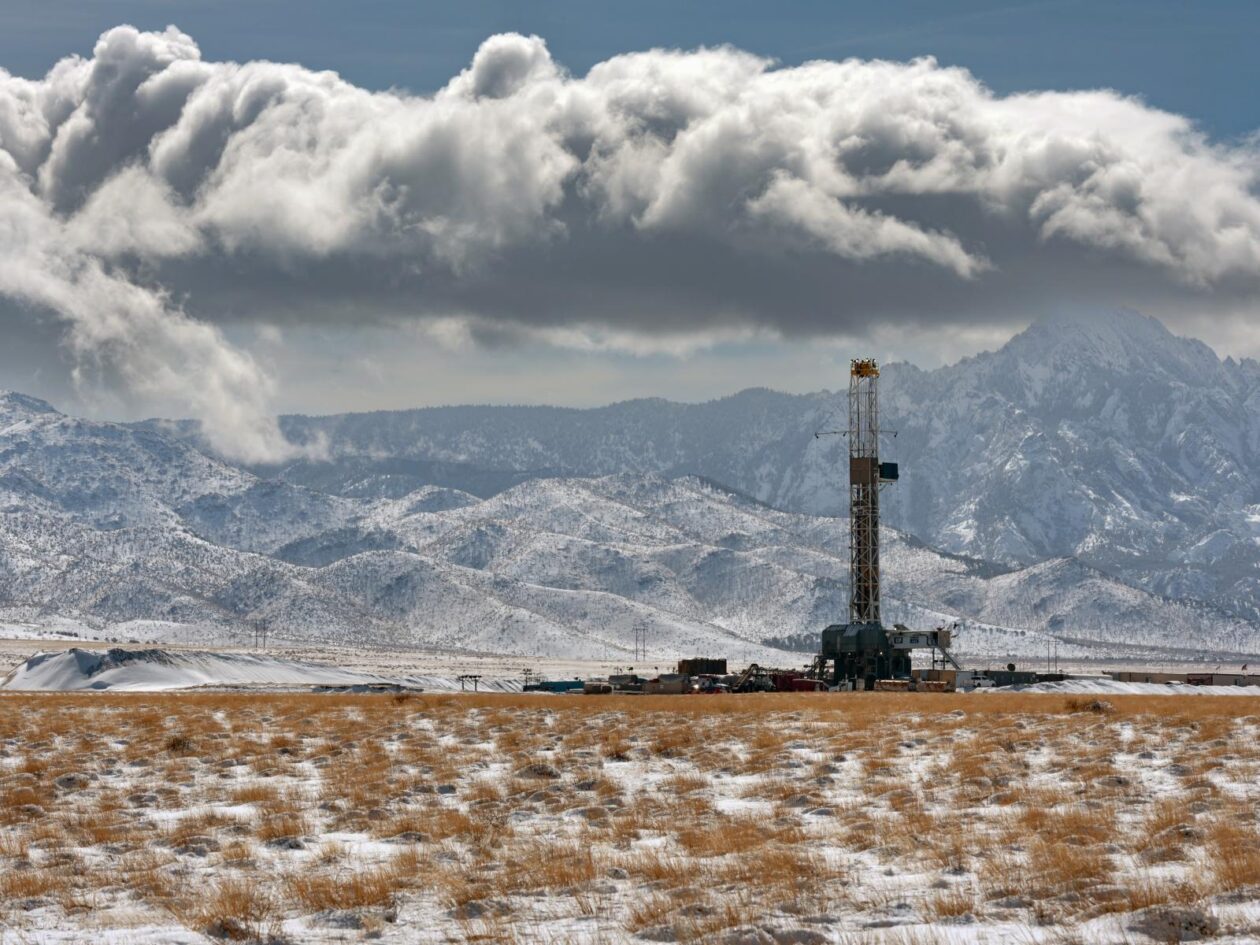
Geothermal AI digital twin construction begins with a deep subsurface energy modeling system targeting 10,000 feet underground. The geothermal AI digital twin project integrates advanced simulation tools to map heat reservoirs before extraction. It connects Pacific Northwest National Laboratory (PNNL), Nvidia, and Fervo Energy in a coordinated innovation effort.
According to GeekWire, the system aims to improve geothermal efficiency through real-time digital replication. Additionally, it focuses on reducing uncertainty in underground drilling operations. The initiative supports clean energy expansion by optimizing how operators access Earth’s heat resources.
Geothermal AI digital twin underground reservoir mapping and construction design
The geothermal AI digital twin platform builds a virtual model of underground geothermal reservoirs. Engineers simulate fracture networks that transport hot water and steam. Moreover, they analyze rock permeability and fluid flow at extreme depths. These depths reach up to 10,000 feet below the Earth’s surface.
Fervo Energy provides field data from geothermal sites in Nevada and Utah. Consequently, the system reflects real-world drilling conditions. PNNL scientists train AI models using physics-based simulations. Meanwhile, Nvidia supplies high-performance computing infrastructure to process complex datasets.
Operators inject cold water into deep wells during geothermal extraction. The water travels through fractured rock systems. Then, it heats up to temperatures reaching 555 degrees Fahrenheit. After that, steam returns to the surface to drive turbines.
However, traditional models often fail to deliver real-time insights. Therefore, delays can reduce reservoir efficiency and energy output. The geothermal AI digital twin addresses this gap through continuous simulation updates.
Nvidia computing integration and real-time simulation systems
The geothermal AI digital twin system relies on Nvidia’s accelerated computing platforms. Specifically, GPU-based processing enables rapid analysis of seismic and thermal data. As a result, engineers update reservoir models while drilling continues.
PNNL integrates advanced physics models into AI workflows. In addition, researchers ensure simulation accuracy against measured underground conditions. This hybrid approach improves prediction reliability across geothermal fields.
Furthermore, Nvidia’s Omniverse platform supports large-scale digital twin visualization. Engineers simulate multiple drilling scenarios at once. Consequently, they optimize well placement and injection strategies more effectively.
The system continuously learns from active geothermal wells. Data flows back into the digital twin during operations. Therefore, the model evolves with each drilling phase.
This approach reduces operational uncertainty significantly. It also improves decision-making in complex underground environments. Ultimately, it enhances geothermal energy extraction efficiency.
Clean energy expansion and deployment outlook
The geothermal AI digital twin project supports next-generation renewable energy expansion. It strengthens enhanced geothermal systems that deliver continuous baseload power. Moreover, it reduces dependence on fossil fuel-based energy sources.
Fervo Energy’s Cape Station project in Utah demonstrates commercial-scale geothermal deployment. It targets 500 megawatts of electricity generation. Additionally, it supports grid demand from high-energy users, including data centers.
Earlier, Fervo launched its Project Red pilot in Nevada. That system already supplies 3 megawatts to the grid. It also supports energy demand from major technology infrastructure.
The digital twin system, named the Enhanced Geothermal System Twin (EGS Twin), will integrate into Nvidia’s AI libraries. Furthermore, the Department of Energy funds the project under its geothermal innovation program. Completion is expected by 2029.
However, challenges remain in scaling subsurface modeling accuracy. Data variability and geological complexity still require refinement. Still, stakeholders expect major efficiency gains in drilling and reservoir management.
The geothermal AI digital twin project led by PNNL, Nvidia, and Fervo Energy aligns with broader global advances in large-scale energy optimization, including the recently launched POET world’s largest thermal energy storage plant in South Dakota. While the POET facility focuses on storing and dispatching renewable energy at the surface, the geothermal AI digital twin project advances a deeper frontier by modeling and optimizing energy production 10,000 feet underground in real time.
Both developments reflect a shift toward digitally integrated energy systems that improve efficiency, stabilize supply, and reduce operational uncertainty across the clean energy value chain, with the geothermal initiative pushing this transformation into subsurface resource management.
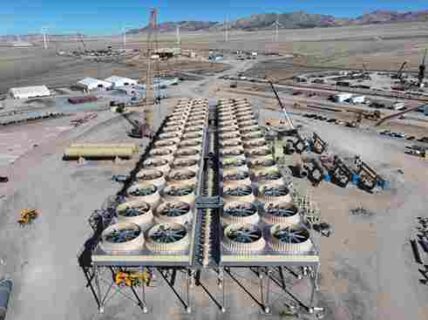
Project Fact Sheet
Project name: Enhanced Geothermal System Twin (EGS Twin)
Type: Geothermal AI digital twin underground energy simulation project
Project value: DOE-backed multi-million-dollar (exact cost undisclosed, USD $)
Location focus: Deep geothermal reservoirs in Nevada and Utah, USA
Depth range: Up to 10,000 feet underground
Temperature range: Up to 555°F subsurface conditions
Technology used: AI digital twin modeling, Nvidia Omniverse, GPU computing, physics-based simulation
Energy application: Enhanced geothermal power generation and reservoir optimization
Status (2026): Active development and model training phase
Completion target: 2029
Project Team
Pacific Northwest National Laboratory (PNNL): Leads AI model training, physics simulation development, and geothermal system research
Nvidia Corporation: Provides GPU computing infrastructure, Omniverse simulation tools, and AI acceleration platforms
Fervo Energy: Supplies geothermal field data, drilling expertise, and enhanced geothermal system development
U.S. Department of Energy (DOE): Funds project development under geothermal innovation programs
Geothermal engineers: Develop drilling strategies and reservoir optimization methods
AI research scientists: Train and validate digital twin predictive models
Data infrastructure teams: Manage real-time sensor integration and subsurface data pipelines


Leave a Reply