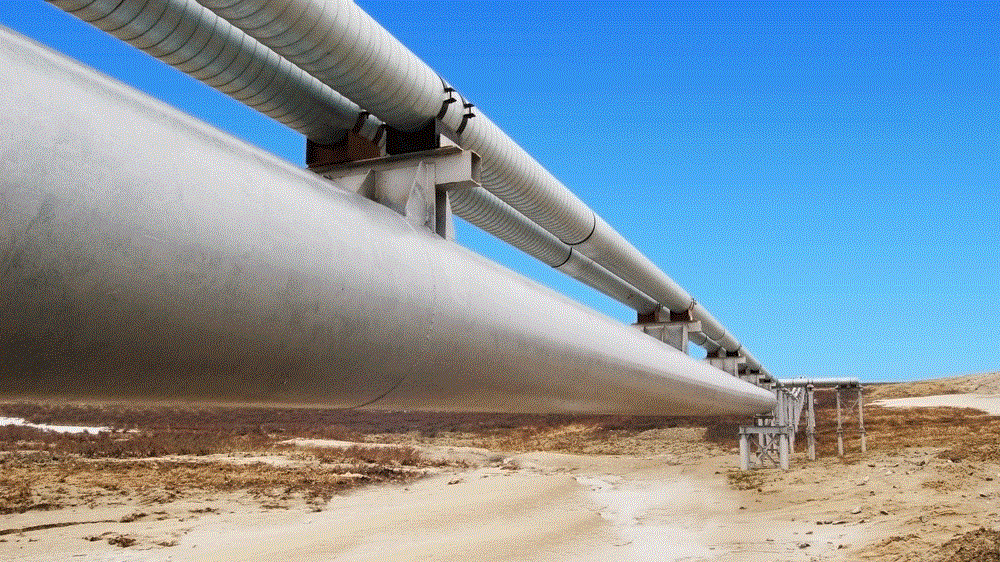
Algeria strengthens its natural gas transportation network through the GR-7 Gas Pipeline. Sonatrach leads this vital project to connect southwest gas fields to the national grid. Consequently, the pipeline enhances overall gas delivery capacity. Moreover, it supports Algeria’s energy security and export ambitions. Therefore, the GR-7 remains a key evergreen asset in the country’s infrastructure.
Additionally, this development aligns with ongoing efforts to expand gas-fired power generation. For instance, reliable gas supply from such pipelines enables projects like the Djelfa power plant retender. Thus, foundational infrastructure like GR-7 underpins thermal power initiatives nationwide. Furthermore, Sonatrach prioritizes local execution and integration in these endeavors.
GR-7 Gas Pipeline Overcomes Development Challenges
Sonatrach initiates the GR-7 as the second phase of the South West Gas Project (SWGP). Initially, the GR-5 Pipeline completes in 2018 as the first phase. However, the GR-7 extends transport from new southwest fields. For example, it links Hassi Tidjerane, Tinerkouk, Hassi Ba Hamou, and Reg Mouaded fields. As a result, the pipeline reaches Hassi R’Mel, the central dispatching hub.
Meanwhile, construction advances with a fully Algerian consortium. Consequently, local firms handle engineering and building effectively. Moreover, the project connects to the grid in April 2020. Therefore, it increases the Reggane-Hassi R’Mel system’s capacity from 9 billion cubic meters per year to about 13 billion cubic meters annually. Thus, Algeria boosts domestic supply and supports industrial growth.
GR-7 Gas Pipeline Delivers Lasting Benefits
This pipeline transports up to 4 billion cubic meters of gas yearly. Additionally, it facilitates production from developing southwest fields. For instance, Hassi Ba Hamou includes new treatment and compression facilities. Consequently, the infrastructure reduces reliance on imports. Moreover, it creates jobs through local contractor involvement.
Furthermore, the project demonstrates Algeria’s commitment to national integration. Therefore, stakeholders gain confidence in sustained energy development. In addition, the GR-7 complements broader strategies, including power plant expansions. Thus, it ensures stable fuel for gas-fired facilities amid rising demand.
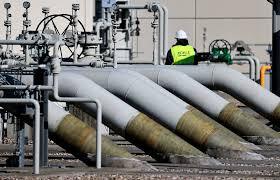
Project Continues to Support Algeria’s Energy Future
Sonatrach maintains focus on southwest gas priorities. Specifically, the GR-7 enables timely field integration. Moreover, recent reports confirm its operating status in 2025-2026. Consequently, the pipeline contributes to hydrogen and green energy discussions regionally. Therefore, Algeria positions itself as a reliable energy player.
Additionally, evergreen projects like this deliver consistent value over time. Thus, thoughtful updates highlight ongoing relevance. For related insights on power infrastructure tied to gas supply, see the current coverage of Algeria retenders Djelfa power plant contract.
Algeria completes the construction of the GR7 gas pipeline project
Algeria’s state-owned Sonatrach oil and gas company has successfully completed the construction of the GR7 gas pipeline project. This pipeline, an extension of the GR5 pipeline, connects Hassi Mouina Sud & Nord and Hassi Ba Hamou, the country’s new southwest oil fields to Hassi R’Mel, the National Gas Dispatching Center at a length of approximately 344 km.
With a capacity of 4 billion cm3/year, this gas pipeline is expected to raise the natural gas capacity of Sonatrach’s system Reggane-Hassi R’Mel (GR5 Pipeline) from 9 billion cm3/year to about 13 billion cm3/year.
Sonatrach stated that the realization of the GR7 gas pipeline project was as a result of a 100% Algerian consortium. Consider Canalisations and Entreprise Nationale de Canalisations (ENAC) were entrusted with the construction of the structure using tubes manufactured by EPE ALFAPIPE Spa. The control and monitoring of the manufacturing process of the tubes were carried out by GTP.
Priority to develop gas projects in Algeria’s southwest
Developing new fields in the southwest of the North African country and linking them to the rest of the nation’s gas network has been a deliberate priority for the company over the past few years.
Also Read: Tunisia and Algeria to sign a 10-year gas supply deal
Sonatrach has developed about six gas fields in the country, the most recent one being Hassi Mouina Sud & Nord and Hassi Ba Hamou. The latter consists of three new gas treatment and compression installations and is expected to produce about 4 billion cm3 of oil per year.
In September last year, the company in partnership with Neptune Energy connected gas from the 4.7 Bcm/year Touat field into the Algerian gas network. Before that, together with Total and Cepsa, Sonatrach began producing oil from the 1.8 Bcm/year Timimoun field in February 2018. The previous year, December 2017 to be precise, the company started operating the 2.8 Bcm/year Reggane Nord field.
Founded in 1963, today Sonatrach, often referred to as the first African oil “major” for being the continent’s largest oil company, is the 12th largest oil consortium in the world, with 154 subsidiaries operating over the entire oil value-chain from upstream, to midstream, and downstream activities.
Project Fact Sheet
Project Name: GR-7 Gas Pipeline (also referred to as GR7 / 48 gas pipeline)
Location: Southwest Algeria – from Hassi Tidjerane gas fields Length: Approximately 344 km
Capacity: 4 billion cubic meters per year (Bcm/y)
Technology/Design: Natural gas transmission pipeline; extension of GR-5 pipeline in the Reggane-Hassi R’Mel system
Original Completion: Construction completed and connected to the grid on April 2, 2020 (gassing/filling announced April 2020)
Status: Operating since 2020; supports ongoing southwest field developments (gas transport ramp-up post-2022 as fields mature); confirmed operational in recent 2025-2026 energy reports
Owner/Developer: Sonatrach (state-owned Algerian oil and Gas Company)
Purpose: Transport natural gas from new southwest fields to Hassi R’Mel National Gas Dispatching Center; increase southwest gas transport capacity from 9 Bcm/y to 13 Bcm/y; enhance national grid reliability and support exports/domestic use
Key Milestones: Part of South West Gas Project (SWGP); GR-5 first phase completed 2018; GR-7 construction by 100% Algerian consortium; linked to grid 2020; fields development ongoing for full utilization
Project Team
Owner/Operator: Sonatrach – Leads overall strategy, development, and national integration as Algeria’s primary energy company.
Construction Consortium: 100% Algerian – Cosider Canalisations (main contractor for pipeline building) and Entreprise Nationale de Canalisations (ENAC, Sonatrach subsidiary) – Handled engineering, procurement, and construction (EPC) works.
Pipe Manufacturing: EPE ALFAPIPE Spa – Supplied tubes and materials for the pipeline structure.
Quality Control/Monitoring: GTP (likely Groupe de Technologie des Procédés or similar Sonatrach-affiliated entity) – Oversaw manufacturing processes and quality assurance.
Related Field Developers: Sonatrach (primary for Hassi Ba Hamou, Hassi Mouina Sud & Nord, etc.); historical partnerships in southwest fields include Neptune Energy (Touat field tie-in), Total, and Cepsa (Timimoun field).
Regulatory/Supervisory Body: Algerian Ministry of Energy and Mines – Provides policy oversight and approvals for gas infrastructure projects.
Technical/Support Partners: Various Sonatrach subsidiaries and local firms for ongoing maintenance and expansions (e.g., recent 2025 contracts with ENAC-Cosider for related gas pipeline rehabilitations).
Leave a Reply