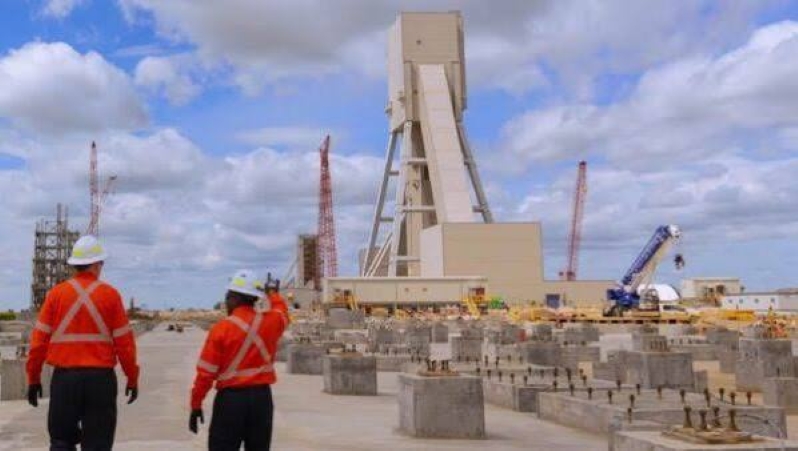
BHP has announced a major update to its flagship Jansen Potash Project Stage 2 in Saskatchewan, Canada, increasing the project’s cost estimate by US$2 billion and revising its first production timeline to late 2031. Additionally, with a US$2.3 billion write-down, BHP’s Jansen Potash project Stage 2 is now officially worth less than previously estimated even as the company continues to develop one of the world’s largest new fertilizer mining operations.
Increased Project Cost and Changes to Stage 2 Production Timeline
According to the mining giant, the estimated investment required for Jansen Stage 2 has risen to approximately US$6.9 billion, up from the US$4.9 billion approved in 2023. First production from Stage 2 is now expected in late fiscal year 2031. The company will also record an impairment charge of approximately US$2.3 billion linked to the increased capital intensity of the overall Jansen development.
The update also represents another significant milestone in BHP’s long-term strategy to establish a major position in the global potash market. This is a sector considered increasingly important for global food security and sustainable agricultural production.
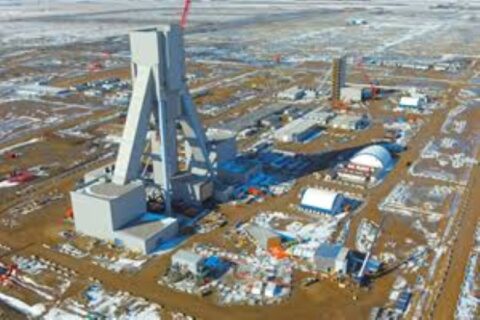
Jansen Potash Project Overview
Located in Saskatchewan, one of the world’s premier potash-producing regions, the Jansen project is central to BHP’s diversification strategy beyond its traditional strengths in copper and iron ore, with projects such as the US$1.4 billion Port Debottlenecking Project in Australia. The development is intended to create a new long-life business pillar for the company, supplying a key fertilizer ingredient used to improve crop yields and agricultural productivity.
BHP approved Stage 1 of the Jansen project in 2021 with an initial investment of US$5.7 billion, followed by approval of Stage 2 in 2023 with a US$4.9 billion commitment. Together, the two phases are expected to transform Jansen into one of the largest potash operations globally.
Despite escalating costs, BHP remains committed to the project. The company highlights strong long-term demand fundamentals for potash driven by global population growth and rising food consumption. The need for more productive agricultural systems is also a major factor in play. BHP company executives continue to describe Jansen Potash project as a world-class, expandable, low-cost asset with a projected operational life measured in decades.
Jansen Potash Project Stage 2 Update: What is the Latest?
The revised Stage 2 investment estimate reflects a combination of factors in play. This spans inflationary pressures, design development, scope modifications and productivity challenges. Additional labor requirements and higher material quantities needed to complete construction also factor in.
BHP reported that Stage 2 construction was approximately 16% complete as of May 2026. Once operational, the expansion is expected to add approximately 4.36 million tons per annum of potash production capacity.
Meanwhile, Jansen Potash project Stage 1 remains under construction and is currently expected to commence production in mid-2027. The Stage 1 capital estimate was previously revised upward to US$8.4 billion earlier this year, though BHP continues to maintain its target start-up schedule.
Upon completion of both stages and full ramp-up, Jansen Potash project is expected to account for about 10% of global potash production. This will position Canada as an even more significant supplier to international fertilizer markets.

Project Cost and Finance
The latest update raises the Jansen Potash project Stage 2 capital requirement by approximately US$2 billion compared with the figure approved in 2023.
Key financial highlights include:
- Stage 1 approved investment (2021): US$5.7 billion
- Stage 1 revised estimate (2026): US$8.4 billion
- Stage 2 approved investment (2023): US$4.9 billion
- Stage 2 revised estimate (2026): US$6.9 billion
- Expected impairment charge: US$2.3 billion
- BHP FY2027 capital expenditure guidance maintained at approximately US$11 billion
Despite the increase in capital costs, BHP has reaffirmed its commitment to the project. BHP has also emphasized its long-term value proposition and strategic importance within the company’s future portfolio.
Jansen Potash Project Stage 2 Fact Sheet
Location: Saskatchewan, Canada
Developer: BHP Group
Commodity: Potash (fertilizer)
Stage 2 Approved Investment (2023): US$4.9 billion
Stage 2 Revised Investment (2026): US$6.9 billion
Construction Status: 16% complete
Expected First Production: Late 2031
Stage 2 Production Capacity: Approximately 4.36 Mtpa
Combined Jansen Capacity (Stages 1 and 2): Approximately 8.5 Mtpa
Stage 1 First Production: Mid-2027
Expected Share of Global Potash Supply: Approximately 10% from the whole project
Strategic Purpose: BHP’s diversification into fertilizer minerals

Project Team
Developer: BHP Group
Major Engineering and Construction Partners:
- Fluor Corporation – Engineering, procurement and construction management for Stage 2
- Aecon Group Inc. – Construction contractor for Stage 1 infrastructure works
- Wicehtowak Aecon LP – Indigenous partnership contractor supporting project delivery
Outlook on BHP’s Jansen Potash Project Development in Canada
Although the latest cost escalation and schedule revision present a setback for the development, BHP continues to view Jansen Potash project as a cornerstone asset capable of generating significant long-term value. The company believes growing global demand from the agriculture sector will support the project’s economics over its multi-decade operating life.
With Stage 1 progressing toward first production in 2027 and Stage 2 construction continuing, Jansen Potash project development remains one of the largest mining investments currently underway in North America alongside others such as Tahuehueto Gold-Silver Mine in Mexico. It is also one of the most significant new sources of potash supply expected to enter the global market during the next decade.


Leave a Reply