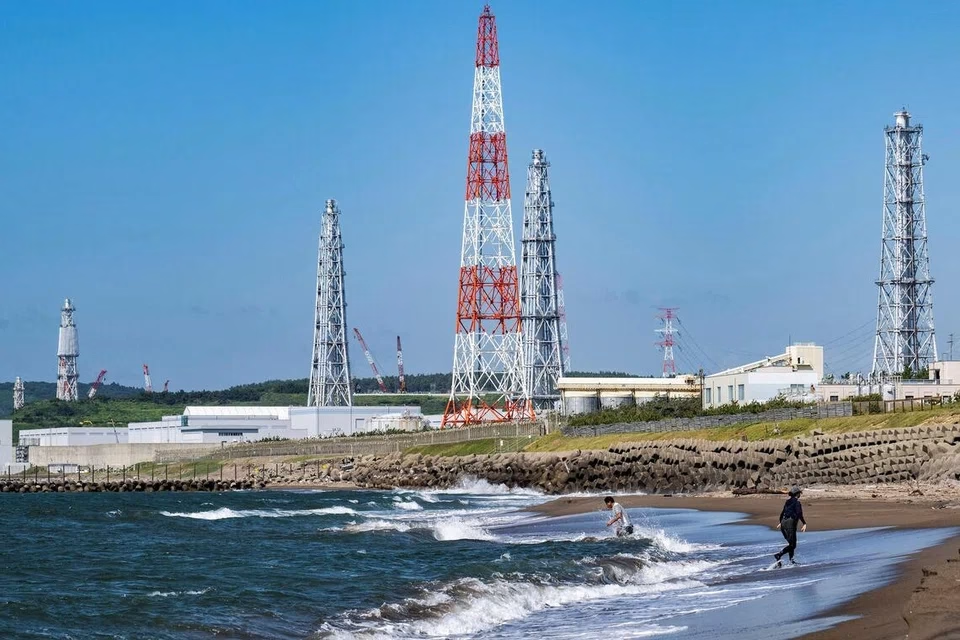
Updated February 9, 2026 – Tokyo Electric Power Company Holdings, Inc. (TEPCO) has successfully restarted the No. 6 reactor at world’s biggest, Kashiwazaki-Kariwa Nuclear Power Plant in Niigata Prefecture, after shutting it down briefly post planned restart on January 22 2026. The 1,360 MW unit achieved criticality on 9 February 2026 after earlier test-start delays due to control-rod alarm issues, and is progressing through phased power ascension ahead of planned commercial operation on 18 March 2026, subject to final regulatory checks.
Kashiwazaki-Kariwa, recognised as the largest nuclear power station by capacity in the world, has seven boiling water reactors that have largely been offline since 2011 amid enhanced safety standards and local consent processes. The restart of Unit 6, which completed fuel loading in mid-2024 and underwent extensive safety enhancement construction, reflects TEPCO’s focus on prioritizing regulatory and local approvals to reintroduce baseload nuclear generation. This is amid rising energy security concerns and grid decarbonization goals.
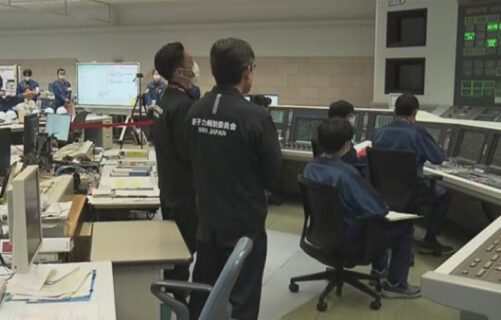
The project has also been under intense scrutiny both domestically and internationally. It has drawn attention from local officials including the Mayor of Kashiwazaki, who emphasized the importance of safety and community trust through the decades-long history of the plant, and regulatory bodies such as the Nuclear Regulation Authority (NRA). NRA has repeatedly reviewed TEPCO’s licensing and safety compliance.
Factsheet for Reactor Unit 6 at Kashiwazaki-Kariwa Nuclear Power Plant
Type: Advanced Boiling Water Reactor (ABWR)
Capacity: 1,360 MW
Key Milestones:
- Fuel loading completed: June 2024
- Initial planned restart: 20 January 2026, suspended due to control-rod alarm malfunction
- Restart with criticality achieved: 9 February 2026
- Phased commercial operations date: Expected 18 March 2026
Significance:
- First TEPCO reactor restarted since Fukushima disaster in 2011
- Local and prefectural consent processes were crucial for the restart. Prior focus shifted away from Unit 7 due to local agreement challenges and regulatory deadlines, allowing Unit 6 to be prioritized.
Contractors Involved in the Restart of Reactor Unit 6 at Kashiwazaki-Kariwa Nuclear Power Plant
Project Owner and Main Operator
- Tokyo Electric Power Company. Responsible for reactor restart execution, safety enhancements, and regulatory compliance.
Regulatory Bodies
- Ministry of Economy, Trade and Industry (METI). Broad oversight of energy policy impacting nuclear restarts.
- Nuclear Regulation Authority (NRA). Japanese national regulator approving reactor design, construction plan adjustments, and safety compliance.
- Local Government of Kashiwazaki. Functions as municipal stakeholder engaged in local consent and public communication.
- Niigata Prefectural Government. Local authority that granted consent necessary for restart.
Technical and Safety Contractors
- Hitachi-GE Nuclear Energy Ltd. Primary supplier and engineering partner for ABWR units at Kashiwazaki-Kariwa.
Kashiwazaki-Kariwa Reactor Shut Down Hours After Restart at World’s Largest Nuclear Plant
Reported January 22, 2026 – Japan’s Tokyo Electric Power Company Holdings (TEPCO) has shut down the No. 6 reactor at the Kashiwazaki-Kariwa nuclear power plant just hours after its restart, suspending operations to investigate a malfunction in the control rod operating system that triggered an alarm and halted startup procedures. TEPCO, operator of the Fukushima Daiichi site maintains there was no safety breach or radiological release. The abrupt halt comes after the reactor at the world’s largest nuclear plant was brought back online for the first time in nearly 14 years since the 2011 Fukushima disaster. The recent development also continues to underscore the ongoing technical and public confidence challenges facing Japan as it seeks to reintegrate nuclear capacity into its energy mix. This is amid increasing power demand and the need to meet decarbonization goals.
World’s Biggest Nuclear Power Plant, Kashiwazaki Kariwa on Road to Restart
Reported January 6, 2026 – Kashiwazaki Kariwa nuclear power plant in Niigata Prefecture plans to resume operations after being offline for more than a decade, with local consent and regulatory approvals underway to allow Tokyo Electric Power Company (TEPCO) to restart Units 6 and 7. These two boiling water reactors are situated at what is among the world’s largest nuclear facilities. The December 2025 decision to approve the restart also points toward nuclear revival efforts in Japan aimed at energy self-sufficiency and stabilizing grid baseload capacity. The restart is also a matter of public scrutiny as stringent safety measures are being put in place after the Fukushima accident. These safety measures are also at the center of recent Hamaoka nuclear power plant restart delay.
Japan Governor Expected to Decide ‘Soon’ on Restart of World’s Biggest Nuclear Power Plant
Reported November 19, 2025 – The fate on the restart of the world’s biggest nuclear power plant rests on the decision of Japan’s Niigata prefecture governor. The verdict is one that holds a huge significance for the entire country. “I would like to make a decision and express it soon,” Mr Hideyo Hanazumi said at his regular weekly media briefing on Nov 19. His approval is the last remaining hurdle that Tokyo Electric Power Company (Tepco) must clear before relaunching production at the Kashiwazaki Kariwa facility in the Niigata region.
The proposed restart of the plant’s No. 6 unit would also mark the first time that Tepco has operated a nuclear facility since the Fukushima disaster in 2011. Mr Hanazumi was speaking a day after visiting the Fukushima Dai-chi Nuclear Power Plant. The plant is also operated by Tepco and was the site of the meltdown. The plant is the world’s largest despite being out of operation for a while.

Project Factsheet
Significance:
- Decision to restart the world’s largest nuclear power plant is left to Niigata Governor Hideyo Hanazumi.
- Restarting Unit 6 would represent TEPCO’s first nuclear operation since the 2011 Fukushima disaster.
- This move supports Japan’s push to expand nuclear power, cut imports of fossil fuels, and decarbonize.
Key Details:
- Governor Hanazumi says he will announce his decision “soon” after inspecting the Fukushima Dai-ichi plant.
- His approval is the final step before TEPCO can resume operations.
- There are reports of a possible announcement around Nov 21, though no firm date is set.
- TEPCO’s stock slipped 4.1 percent as markets reacted to uncertainty.
Regulatory & Developer Information:
- Operator: Tokyo Electric Power Company (TEPCO).
- Facility: Kashiwazaki-Kariwa plant, Niigata region.
- Restart requires comprehensive safety reviews and execution of Japan’s nuclear regulatory standards.
Expected Impact:
- A restart would represent a milestone toward fulfilling Japan’s post-Fukushima energy plan.
- Strengthens long-term energy security and stabilizes national supply.
- Supports Japan’s commitment to low-carbon power generation and reduces dependence on imported fuels.
The Significance of Restarting the World’s Biggest Nuclear Power Plant
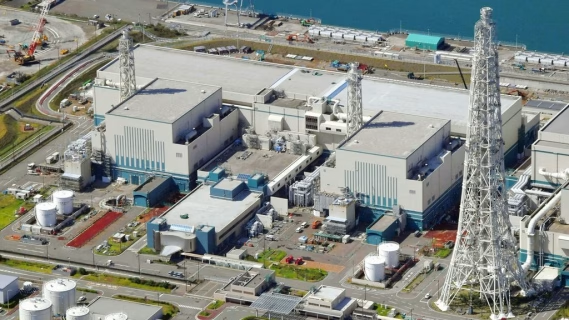
If approved, the restart of the world’s biggest nuclear power plant would be a watershed moment for the country. This is because is one that endured the worst nuclear accidents since Chernobyl. Furthermore, resumption of the facility would also be a shot in the arm for the Japanese government’s aim of expanding nuclear power capacity. It also aims to reduce imports of fossil fuels and meet decarbonization goals. Tepco’s shares fell as much as 4.1 per cent in morning trading, before paring losses. Local sources have reported the governor could make an announcement supporting the restart as early as November 21. However, Mr Hanazumi noted during the media conference that no specific timing has been set.
Leave a Reply