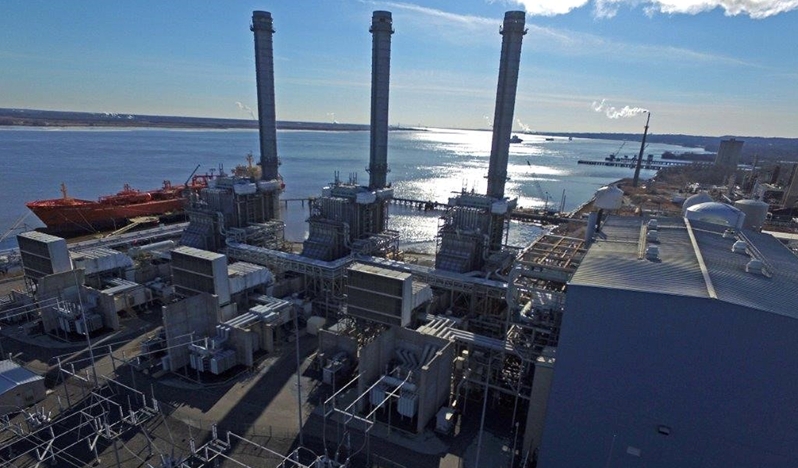
Japan’s largest power generator, JERA is advancing a significant expansion of its U.S. power footprint through a large-scale natural gas-fired power plant project for a U.S. data center for $3 billion.
The massive power requirements of AI data centers
The U.S. power grid is currently under demand and strain driven by the significant increase in data center construction. Gas-fired power generation is also emerging as the dominant dispatchable resource. This is due to its scalability, reliability and relatively fast permitting compared to nuclear or large hydro projects. It is, however, shunned by locals and lobbied against by environmental groups due to its carbon emission and neglect of climate consciousness.
According to the Global Energy Monitor, the U.S. has nearly tripled its gas-fired capacity in development. Texas alone is planning 40 gigawatts (GW) of new gas projects dedicated to powering data centers on-site.
JERA’s bigger power plant play in the U.S.
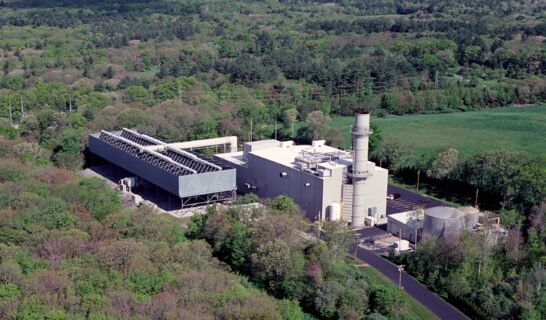
For JERA, the $3 billion gas-fired power plant for a U.S. data center is consistent with its expansion strategy. The company already maintains equity exposure across multiple U.S. gas-fired assets. It has also continued to deepen its LNG supply commitments from American producers. These upstream-to-downstream linkages are intended to reduce fuel price volatility and secure long-term generation margins.
Just last year, JERA finalized 20-year agreements to purchase up to 5.5 million tons of U.S. liquefied natural gas (LNG) annually. This is a multi-decade commitment expected to contribute about $200 billion to the U.S. economy.
JERA also recently made an acquisition in the Haynesville Shale. Such an upstream gas asset is expected to provide the fuel needed to power chips that run the global digital economy.
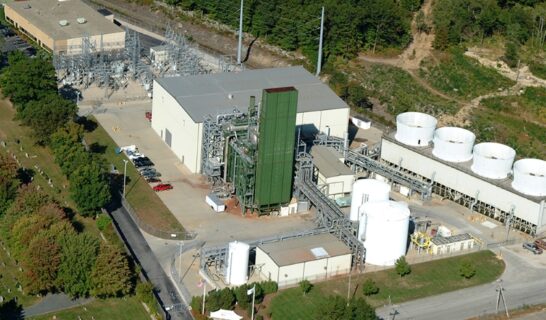
At the same time, the policy environment in the United States, particularly state-level energy security mandates, continues to support firm capacity additions. This has created favorable conditions for joint ventures involving international utilities, infrastructure investors and independent power producers.
Outlook on the construction of JERA’s $3 Billion power plant in the U.S.
Over the medium term, JERA’s U.S. strategy is expected to focus on scalable gas generation integrated with LNG supply security and potential future-ready configurations. This also includes hydrogen co-firing and efficiency upgrades. The company is also likely to prioritize regions with promising growth and supportive regulatory frameworks.
If current market conditions persist, the U.S. could become one of JERA’s most significant overseas generation hubs. This will also complement its decarbonization strategy in Louisiana where the Blue Point Low-Carbon Ammonia Production Project is being developed. JERA is also taking this strategy back home in Japan where ammonia co-firing and efficiency retrofits are being deployed at scale.
Key associated risks
Despite strong demand indicators, several risks could affect JERA’s $3 billion gas-fired power plant for the unnamed U.S. tech company. These include:
Regulatory uncertainty. Shifting emissions standards could impact long-term viability of gas assets.
Carbon exposure. Rising scrutiny of lifecycle methane and CO2 emissions may increase compliance costs.
Capital intensity. Large-scale projects such as this often require sustained access to low-cost financing in volatile interest rate environments.
Turbine supply constraints. Global shortages in advanced gas turbines could delay construction timelines.
Demand concentration risk. The reliance on a data center could expose the gas-fired power plant project to cyclical tech investment patterns.


Leave a Reply