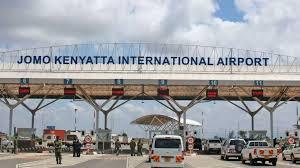
Government of Kenya unveils new Jomo Kenyatta International Airport (JKIA) expansion project after Adani deal collapse, placing a strategic airport overhaul at the center of Kenya’s long‑term transport and economic growth blueprint. This also position Nairobi as a leading East African aviation hub. The government is pushing comprehensive upgrades to JKIA, which faces chronic congestion and capacity constraints, The government is also planning to integrate a modern airport city and special economic zone. Furthermore, officials say the redesigned plan adheres to public procurement rules and avoids previous concession pitfalls.
New Vision for JKIA Expansion Project
First, the plan introduces a significantly expanded passenger terminal capable of serving roughly ten million additional travelers annually. Moreover, it includes expanded cargo areas, new taxiways, aprons, and improved support facilities. The new terminal is expandable in line with future passenger forecasts, expected to reach about 22 million travelers by 2045. Currently, JKIA handles around nine million passengers a year, outstripping its original 7.5 million annual capacity. Consequently, authorities stress that expansion is essential for safety, efficiency, and competitiveness.
Second, the government has issued tenders inviting qualified investors to bid on major packages. This signals a return to transparent procurement after the collapse of the Adani Group agreement. In addition, bidders must demonstrate access to at least KSh100 billion (approximately $775 million) in capital or credit facilities. This is to ensure project delivery capacity and financial stability. This requirement aims to further attract serious global partners capable of executing large‑scale infrastructure projects.
Strategic Funding and Cost Outlook
Notably, officials have not yet disclosed a definitive official project cost for the redesigned expansion. However, planning and financing discussions indicate an estimated total cost of around $2 billion. This figure reflects anticipated funding from international development banks and investment partners for increased runway capacity, a new main terminal, and integrated airport city components. Previously, the abandoned Adani deal was valued at roughly $1.85 billion, but that arrangement is no longer under consideration.
For now, government planners are engaging multilateral lenders to secure funding for runway enhancements, terminal construction, digital upgrades, and cargo expansion. Furthermore, interim upgrades to existing facilities are expected to begin within roughly 15 months. Major construction phases could extend up to three years, according to current estimates.
For additional context on Kenya’s broader aviation infrastructure development, refer to the Multi-Billion Jomo Kenyatta International Airport Expansion to Commence Before the End of the Year which outlines runway extensions and new cargo facilities designed to boost regional trade and air connectivity. This story highlights how airport upgrades across the country complement the goals of the JKIA Expansion Project and Kenya’s wider transport strategy.
Phased Infrastructure Upgrades
In the initial phase, the focus will be on optimizing existing terminals, modernizing check‑in and baggage systems, and improving access roads and aircraft movement areas. Moreover, this phase will enhance immigration processing, security screening, and other passenger services to alleviate current bottlenecks. Subsequently, the long‑term phase will deliver a new passenger terminal building, expanded aprons, updated air traffic control infrastructure, and advanced emergency response systems.
Additionally, the plan includes modern cargo handling facilities designed to support export‑oriented industries. This cargo focus aligns with broader national economic goals aimed at increasing trade volumes and positioning Kenya as a logistics gateway for East Africa. Consequently, enhanced freight capacity is expected to stimulate regional trade, bolster supply chains, and attract manufacturing investment.
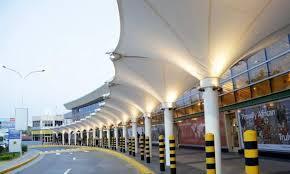
Airport City and SEZ: Economic Multipliers
Beyond aviation infrastructure, the project envisions a JKIA Airport City and Special Economic Zone (SEZ) that will house business parks, hotels, corporate offices, and logistics hubs. These developments are intended to capture value from proximity to major air transport corridors and deliver broad economic benefits. Furthermore, sectors such as agro-processing, pharmaceuticals, light manufacturing, and e‑commerce fulfillment stand to gain significantly from access to integrated airport services and streamlined export channels.
The SEZ is anticipated to create employment opportunities, enhance foreign direct investment, and generate new revenue streams for local communities, particularly in Nairobi’s surrounding regions. Through coordinated planning and public‑private collaboration, stakeholders believe the airport city will become a catalyst for urban and regional industrial growth.
Oversight, Regulation, and Transparency
To safeguard public interest, the Roads and Transport Ministry and the Kenya Airports Authority (KAA) are leading project oversight, while the National Treasury monitors financial compliance. Additionally, independent feasibility studies and master planning consultants guide design standards, environmental compliance, and economic impact assessments.
In contrast to the previous concession model, government officials affirm that the current strategy remains firmly anchored in Kenyan law, including rigorous procurement standards and competitive tendering processes.
Project Fact Sheet: JKIA Expansion Project
Project Name: JKIA Expansion and Modernization Program
Lead Authority: Kenya Airports Authority (KAA)
Oversight Body: Ministry of Roads & Transport
Location: Jomo Kenyatta International Airport, Nairobi, Kenya
Current Capacity: 9 million passengers/year
Original Design Capacity: 7.5 million passengers/year
Forecast 2045 Capacity: 22 million passengers/year
Estimated Total Cost: $2 billion (project funding target)
Bidder Capital Requirement: $775 million (KSh 100 billion)
Key Components:
- New expandable passenger terminal (10 million capacity)
- Runway, taxiway, and apron expansions
- Digital systems and security upgrades
- Cargo handling infrastructure
- Airport City and Special Economic Zone
Implementation Timeline:
- Interim upgrades: 15 months
- Major construction: up to ~3 years
Project Team: JKIA Expansion Project
Project Sponsor:
- Ministry of Roads & Transport — Kenya
Implementing Agency:
- Kenya Airports Authority (KAA)
Advisory Consultants:
- Integrated Master Planner and Feasibility Study Experts
- Aviation Infrastructure Specialists
Procurement & Evaluation Committee:
- Public Procurement Experts (PPDA standards)
- Aviation and Engineering Professionals
- Financial Oversight Representatives (National Treasury)
Stakeholder Oversight:
- Ministry of Roads & Transport
- National Treasury Compliance Division
- Civil Society and Industry Watchdog Groups
Leave a Reply