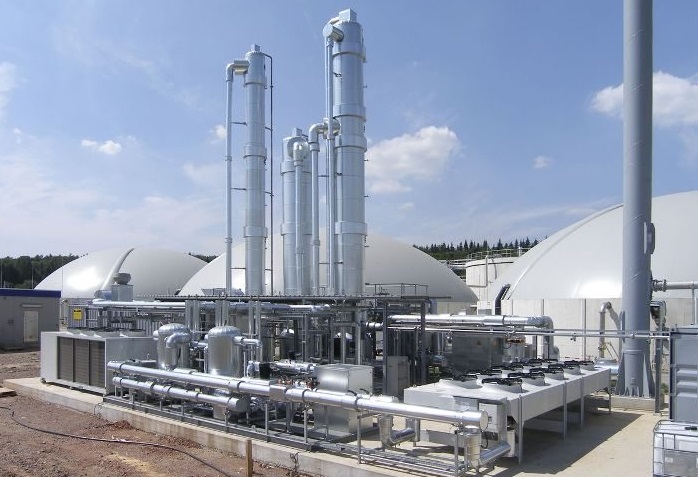
Kenya is set to develop a $2.9 billion gas-fired power plant near Mombasa Port to improve electricity production. The 1,200-megawatt facility comes at a time when increasing electricity demand needs to be addressed. The plant also signals the country’s strategic move to bolster its energy infrastructure. It is part of Kenya’s broader efforts to expand its power generation capacity and support economic growth.
Once operational, the new facility is expected to significantly contribute to the national grid, addressing the rising energy needs of industries and households. The project also highlights Kenya’s commitment to diversifying its energy sources. Furthermore, it facilitates in reducing reliance on traditional methods. As the nation continues to experience economic expansion, the demand for reliable and sustainable energy solutions becomes increasingly critical.
The gas-fired plant is anticipated to play a pivotal role in meeting these requirements, ensuring a stable supply of electricity for various sectors. Kenya’s focus on enhancing its energy infrastructure aligns with its long-term development goals, aiming to foster industrialization and improve living standards across the country.
Outlook on the Mombasa Port Gas-fired Power Plant
The construction of the gas-fired power plant near Mombasa port is expected to be fundamental in Kenya’s energy mix. The project’s advantage lies in its location near Mombasa, which offers easier access to LNG imports and coastal energy infrastructure. If executed on schedule, it could strengthen Kenya’s role in the regional energy chain.
At the cost of about $2.9 billion, it is one of the most notable energy projects in East Africa right now. What stands out is that the move comes while Kenya is still pursuing its goal of a 100% clean power grid by 2030. Plans for the plant suggests LNG is being treated as a transition fuel, helping stabilize the power system and support industrial growth during this expansion phase.
Despite the advantages, risks remain clear as the project requires heavy capital, gas supply could depend on external sources. Furthermore, previous LNG-related plans in Kenya have faced delays. For now, the energy industry will likely watch closely for progress on financing and execution. The government is currently seeking transaction advisers to design and structure the project as noted by Energy Principal Secretary Alex Wachira.
State-owned Kenya Electricity Generating Company (KenGen) is expected to be a key developer in the gas-fired power plant project. The Ministry of Energy may also be expected to closely oversee the project. Other than reliance on geothermal, KenGen is diversifying its energy mix and revenue with projects such as solar power kits.
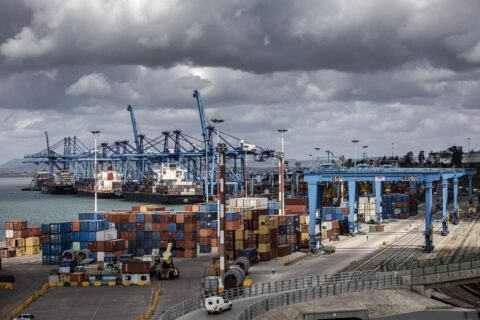
Project Factsheet:
- Location: near Port of Mombasa.
- Country: Kenya
- Approximate Investment Value: $2.9 Billion.
- Generation Capacity: 1,200 MW
- Project Type: Gas-fired power plant based on LNG.
Timeline
- Planning Phase: Project structuring and advisory process in progress.
- Next Step: Transaction advisers to develop financing and implementation structure.
- Anticipated Operation: Timeline is yet to be officially announced.
Site & Scale
- Power Capacity: 1,200 MW.
- Strategic Position: Close to the Port of Mombasa to access LNG imports.
- Energy Role: Significant new dispatchable generation to the national grid of Kenya.
Key Developers
- Developer: Kenya Electricity Generating Company – Projected lead developer.
- Project Oversight: Ministry of Energy Kenya – Policy management and also coordination of the energy sector.
Project Structuring
- Transaction advisers (to be appointed) – In charge of project structuring, financing, and procurement framework.
Infrastructure Components
- Combined-cycle gas power plant based on LNG.
- Power generation capacity of 1,200 MW.
- LNG import and also fuel supply infrastructure around Mombasa port.
- Also grid connection to the national electricity grid of Kenya.
Strategic Objectives
- Expand national electricity production.
- Also satisfy increasing industrial and household demand.
- Promote the industrialization and economic development of Kenya.
- Increase the energy mix in the country other than the current sources.
Strategic Context
- LNG as a grid stability transition fuel.
- Also enhances energy security as Kenya seeks cleaner energy goals.
- Conforms to national goals of economic growth and infrastructure.
Current Status
- Government in search of transaction advisers to design the project.
- Plans of development are also being reviewed by the Ministry of Energy.
- Funding, gas supply plans, and implementation schedules are still underway.
Leave a Reply