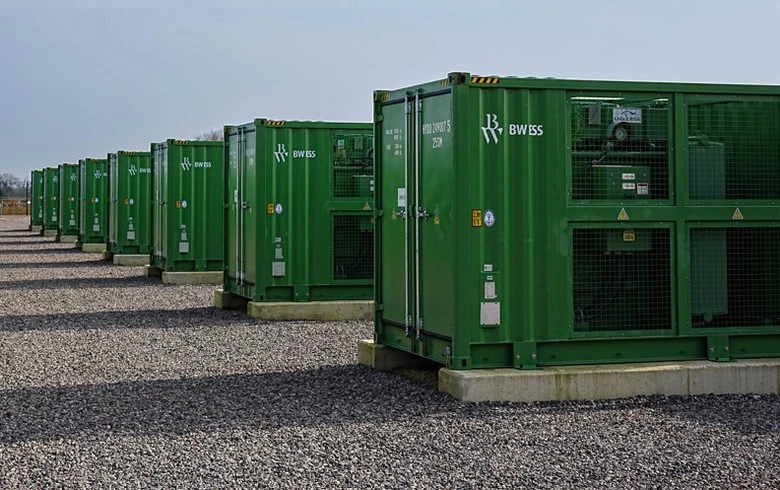
The Klostermansfeld BESS in Germany has entered construction as a 1,000 MW facility with up to 5,700 MWh of storage capacity, making it the largest battery energy storage project in the country and one of the biggest under development anywhere in Europe. BW ESS, the global energy storage owner and operator that sits within BW Group, broke ground on the project near the Klostermansfeld substation in the Mansfeld Südharz district of Saxony Anhalt. Once operational, the system will be able to supply electricity to around three million German households for at least four hours, giving grid operators a large buffer against swings in renewable output. BW ESS first bought into the project in 2024 and took full ownership earlier this year, after the scheme was originally developed by Zelos Energy Developments. Zelos will keep supporting local site matters until construction reaches a more advanced stage, expected by the end of 2026, while BW ESS plans to run the asset itself over the long term rather than sell it on once built.
Executive Director Roberto Jiménez framed the groundbreaking as a milestone for the company rather than just for the site, noting that Klostermansfeld will be BW ESS’s first German asset to reach construction and pledging continued knowledge transfer from the firm’s other markets. BW ESS says it currently operates more than 540 MWh of battery storage globally and has roughly 11 GWh under construction, so Klostermansfeld represents a significant jump in scale for a single site. The company told trade press it is funding construction without external financing for now, with a revenue strategy still under review and commercial operation targeted for 2028. Saxony Anhalt’s energy minister and deputy prime minister, Armin Willingmann, and Klostermansfeld’s mayor, Frank Ochsner, both attended the ceremony, underscoring the political weight regional leaders are placing on grid scale storage as the state pushes further into renewables.
Battery Storage Momentum Builds Across Germany’s Energy Sector
Klostermansfeld lands in a German storage market that has been accelerating for the past two years, driven partly by a legislative change extending the grid fee exemption for battery assets until August 2029. That reform gave developers a longer runway to secure financing and has already reshaped smaller projects elsewhere in the country. Kyon Energy’s Alfeld battery storage project in Lower Saxony, a 137.5 MW and 275 MWh facility approved in 2023, was billed at the time as the largest approved storage scheme in Europe, a title Klostermansfeld now dwarfs by a factor of twenty on the storage side alone. The contrast shows how quickly the ceiling for German BESS projects has risen, with Kyon’s portfolio of nearly 500 MW in permitted storage now looking modest next to a single gigawatt scale asset in Saxony Anhalt.
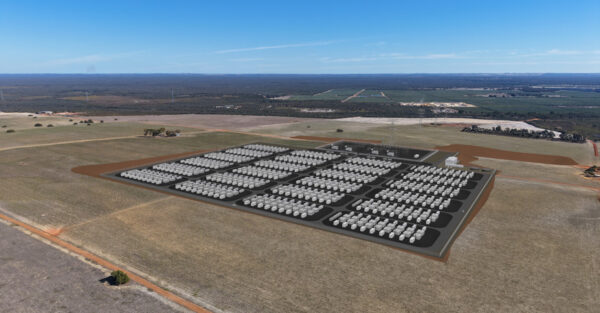
The broader numbers back up that trend. According to the German solar industry association BSW Solar, the country has roughly 30 GWh of battery storage capacity installed, with close to 6 GWh of that in large scale systems, and another 58 GWh in various stages of planning, though implementation of that pipeline carries what the association calls considerable uncertainty. SolarPower Europe still ranks Germany as the continent’s largest battery storage market by installed capacity. BW ESS itself is active well beyond Saxony Anhalt, having partnered with EDF earlier this year on the first phase of the 350 MW and 1.24 GWh Hams Hall BESS in the United Kingdom, a sign that the same owner operator model now anchoring Klostermansfeld is being replicated across BW ESS’s European pipeline.
Klostermansfeld BESS Timeline and What Comes Next
Construction at Klostermansfeld is underway, but the project has years to go before it starts delivering power to the grid. BW ESS is targeting commercial operation in 2028, with Zelos remaining involved in local site coordination through the end of 2026 as the build moves past its early phase. The company has not yet named a battery supplier or finalized how it will monetize the asset, telling trade outlets that its route to market strategy is still being decided, a detail that will matter once the facility begins competing for grid services contracts. No public cost figure has been disclosed for the project, and BW ESS says it is proceeding without external project financing at this stage, which leaves open the question of how the company will fund the remaining phases of construction. If Klostermansfeld reaches commercial operation on schedule, it stands to become a flagship reference project for large scale storage in Germany, reinforcing the Klostermansfeld substation’s role as one of the country’s central grid nodes and giving Saxony Anhalt a marquee asset to point to as it courts further renewable energy investment.
Project Fact Sheet
- Project Name: Klostermansfeld BESS
- Location: Klostermansfeld, Mansfeld Südharz district, Saxony Anhalt, Germany
- Project Value: Not publicly disclosed
- Client/Owner: BW ESS, part of BW Group
- Original Developer: Zelos Energy Developments
- Key Components: 1,000 MW power output with up to 5,700 MWh of storage capacity, located near the Klostermansfeld substation
- Procurement Model: Owner operator model, with BW ESS funding construction without external financing to date
- Construction Start: Groundbreaking held in 2026
- Expected Completion: Commercial operation targeted for 2028
- Strategic Impact: Becomes Germany’s largest battery storage project, capable of supplying about three million households for at least four hours and strengthening grid stability as renewable capacity grows
Project Team
- Client/Owner: BW ESS
- Original Developer: Zelos Energy Developments
- Regional Government Partner: Saxony Anhalt Ministry for Science, Energy, Climate Protection and the Environment
- Local Government Partner: Municipality of Klostermansfeld
Frequently Asked Questions
How big is the Klostermansfeld BESS? The Klostermansfeld BESS has a capacity of 1,000 MW and up to 5,700 MWh of storage, making it the largest battery storage project in Germany.
When will the Klostermansfeld BESS be completed? BW ESS is targeting commercial operation for the Klostermansfeld BESS in 2028, with Zelos Energy Developments supporting construction through the end of 2026.
How much does the Klostermansfeld BESS cost? BW ESS has not publicly disclosed a cost figure for the Klostermansfeld BESS and says it is funding construction without external financing at this stage.
Who owns the Klostermansfeld BESS? BW ESS, part of BW Group, owns the Klostermansfeld BESS after taking full ownership from original developer Zelos Energy Developments earlier this year.
Why is the Klostermansfeld BESS important for Germany’s grid? The Klostermansfeld BESS sits near a key national grid substation and is expected to absorb surplus renewable electricity while helping manage peak demand across Saxony Anhalt and beyond.

Leave a Reply