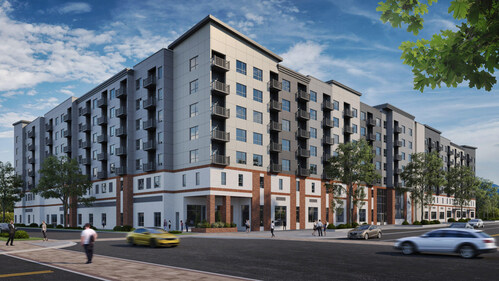
Villa Park, Illinois is moving closer to a major residential milestone after Garden Station, a 348-unit mixed-use development, advanced through key zoning approvals and strengthened its position as what developers describe as the largest net-zero mixed-use residential project in the United States.
The project, located within Villa Park’s Transit-Oriented Development (TOD) district, recently received re-approval from both the Village of Villa Park Planning and Zoning Commission and the Zoning Board of Appeals. It now awaits final consideration from the Village Board of Trustees.
Once approved, Garden Station is expected to move forward into full-scale development, anchoring one of the most ambitious net-zero residential projects planned in the country.
Largest net-zero mixed-use residential project in the U.S.
Developers say Garden Station is designed to become the largest net-zero mixed-use residential development in the United States, setting a national benchmark for sustainability in large-scale multifamily housing.
The project integrates Passive House design principles and advanced energy-efficient systems aimed at significantly reducing overall energy consumption while improving long-term building performance. The development is also expected to lower utility costs for residents through its high-efficiency design strategy.
Large-scale amenity-driven community
Garden Station will include nearly 30 residential amenities designed to support a full-service lifestyle environment. Planned features include a resort-style swimming pool, dog park and pet care areas, pet grooming station, co-working and office-style workspaces, private movie theater, fitness and wellness facilities, community gathering spaces, and outdoor recreational amenities.
The project combines residential living with work and leisure functions in a single integrated mixed-use community.
Transit-oriented location
Located within Villa Park’s TOD district, the development is positioned to benefit from direct access to public transportation and regional transit links. The project is expected to strengthen housing supply in DuPage County while improving connectivity to employment hubs, retail corridors, and the broader Chicago metropolitan area.
Development setbacks and recovery
The project previously faced delays following a senior lender default and a foreclosure action initiated by a bridge lender. However, the foreclosure case was later dismissed after a substitute lender was secured, restoring financial stability and allowing the project to re-enter the approvals process.
With financing stabilized and zoning approvals progressing, Garden Station is now positioned to advance toward construction pending final village approval.
National significance
If completed as planned, Garden Station would become the largest net-zero mixed-use residential project in the United States, marking a major milestone in sustainable development at scale.
The project is also expected to contribute to addressing housing demand in DuPage County while supporting Villa Park’s long-term growth and sustainability objectives.
Garden Station’s advancement comes amid a broader national push toward large-scale residential delivery, with cities such as Los Angeles also advancing multi-thousand-unit housing pipelines driven by adaptive reuse strategies and transit-oriented development.
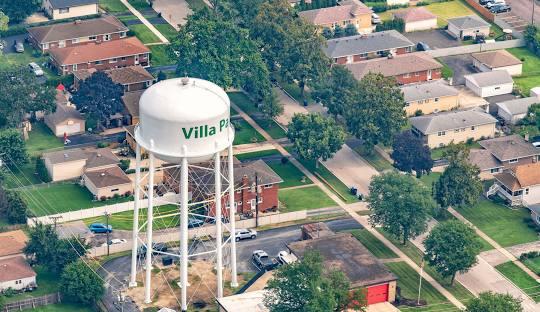
Project Factsheet: Garden Station, Villa Park, Illinois
Location: Villa Park, Illinois, United States
Project Type: Mixed-use residential development
Units: 348 residential units
District: Transit-Oriented Development (TOD) District
Status: Re-approved by Planning and Zoning Commission and Zoning Board of Appeals; awaiting Village Board of Trustees approval
Primary Positioning: Largest net-zero mixed-use residential project in the United States
Sustainability Framework: Net-zero energy design, Passive House principles, advanced energy-efficient systems
Amenities: Nearly 30 amenities including pool, dog park, pet facilities, co-working spaces, theater, fitness and wellness areas, and outdoor recreation
Development History: Previously delayed due to lender default and foreclosure proceedings; foreclosure dismissed after substitute financing secured
Next Step: Final approval from Village Board of Trustees

Leave a Reply