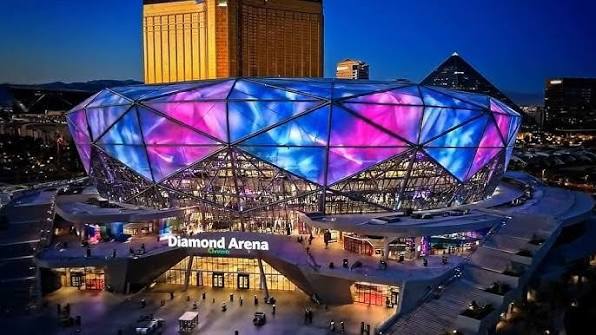
The proposed Las Vegas Diamond Arena has reached a key development milestone after securing full control of its planned arena footprint near the Las Vegas Strip, strengthening its positioning as a potential future home for an NBA franchise.
The project confirmed it has completed the purchase of an additional 3.03 acres, while remaining parcels are in escrow and expected to close soon. With the latest acquisition, the development team now controls the entire site located at the northeast corner of Las Vegas Boulevard and Four Seasons Drive, directly across from Mandalay Bay.
The consolidation of land marks a significant step in transforming the proposal from a conceptual plan into a fully assembled development site, a critical requirement for large-scale sports and entertainment infrastructure projects in dense urban corridors like the Strip.
Private aviation hub adds to long-term vision
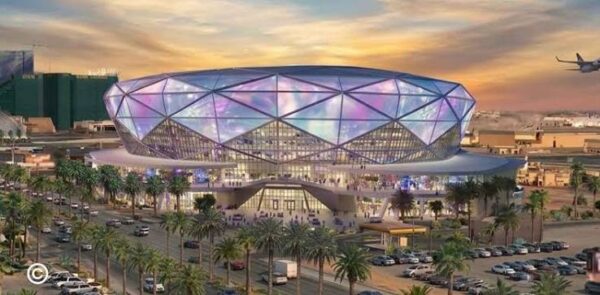
In a parallel development, Chetak Development, Inc. has acquired land immediately south of Four Seasons Drive for a proposed private jet terminal that would be integrated into the broader arena complex.
The terminal is planned to connect directly to the arena through an underground tunnel system, designed to provide a dedicated arrival route for NBA teams, performers, executives, and VIP guests. If realized, the feature would place the project among a small number of global sports venues designed with direct private aviation integration.
Positioning in Las Vegas’ expanding sports ecosystem
The Diamond Arena proposal enters a competitive and rapidly evolving sports landscape in Las Vegas, which has already added major professional franchises in recent years. The developers are positioning the project as a neutral, standalone venue not tied to a casino operator—an approach that could broaden potential partnerships with leagues, sponsors, and entertainment operators.
Located within a federally designated Opportunity Zone, the project also benefits from tax incentives aimed at encouraging long-term private investment in large redevelopment areas.
Capacity, access, and infrastructure advantages highlighted
The planned arena would feature a 21,212-seat configuration tailored for basketball and major entertainment events. Developers emphasize its integration into the surrounding tourism corridor, with walking access to tens of thousands of hotel rooms along the Strip.
Transportation access is a central part of the proposal. The site is located near major freeway systems, including I-15 and I-215, and within minutes of Harry Reid International Airport, which serves tens of millions of passengers annually.
Existing and planned parking capacity—estimated at more than 19,000 spaces combined—forms part of the project’s pitch for high-volume event operations.
Economic development and long-term positioning
Beyond sports use, the arena is being promoted as a multi-purpose entertainment and convention destination intended to generate construction activity, long-term employment, and increased visitor spending in Southern Nevada.
Developers argue the project would reinforce Las Vegas’ growing status as a global sports and entertainment hub, following recent expansions in professional football, hockey, and major event hosting.
A competitive bid for NBA expansion positioning
While the NBA has not announced any formal expansion decision, competing arena proposals are increasingly framing themselves around long-term franchise readiness, infrastructure capacity, and location advantages.
Project representatives say the combination of fully assembled land, transportation access, and planned aviation integration places Diamond Arena among the more complete bids in the emerging conversation around Las Vegas’ next potential major sports venue.
The momentum around large-scale sports and entertainment venue development also extends to Oklahoma City, where the Continental Coliseum project is advancing through construction as part of a long-term arena redevelopment program. Both developments reflect continued investment in modern, purpose-built venues designed to support future league expansion and large-scale urban redevelopment.

Leave a Reply