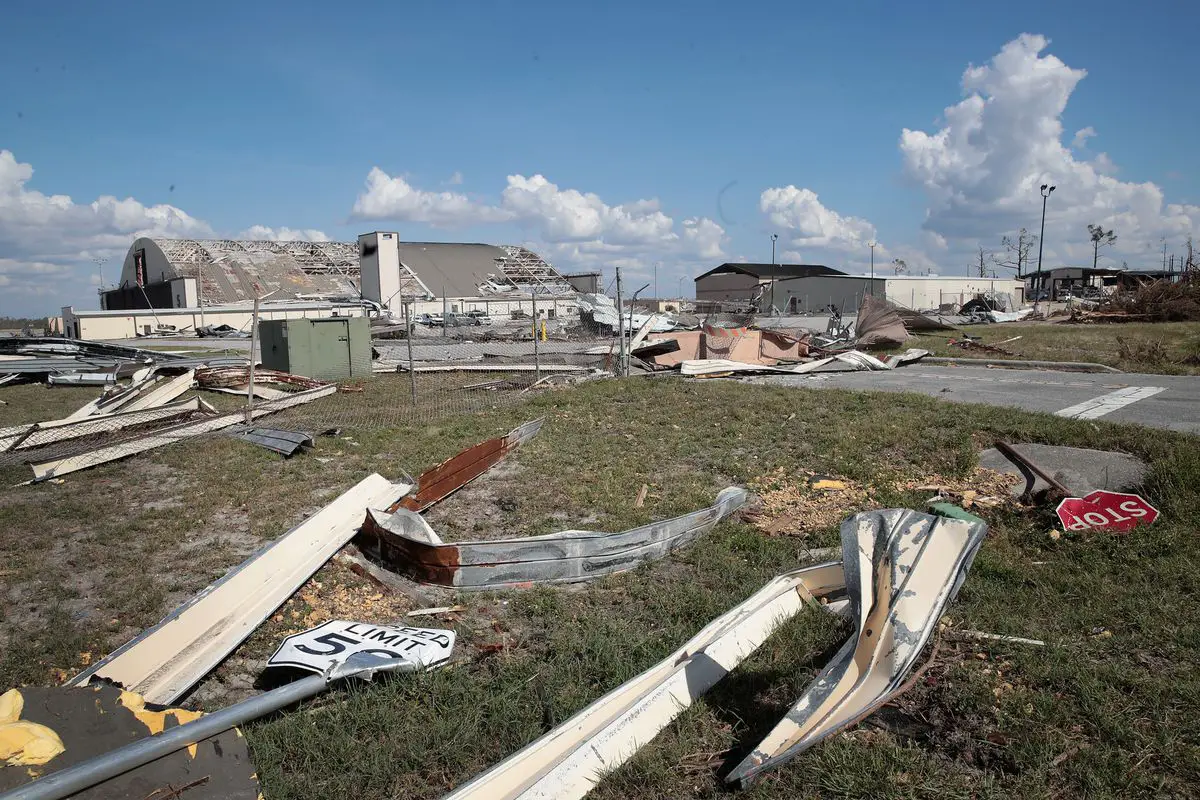
The Tyndall Air Force Base reconstruction project is a large-scale multi-year rebuild effort to transform the base, devastated by Hurricane Michael in 2018, into a modern, resilient military installation capable of supporting current and future missions. The Department of Defense and the U.S. Army Corps of Engineers are implementing a comprehensive recovery strategy that replaces and upgrades damaged facilities with hardened infrastructure built to withstand extreme weather and integrated smart systems. Ongoing work includes the delivery of new lodging facilities, gates, dormitories, training spaces, utility systems, roads, and community amenities, with several projects completed and many more under construction as part of a broader program of more than 40 military construction projects and over 120 facilities planned across the base. Recent milestones in 2025–2026 include the opening of new main entry gates and a lodging complex, progress on community and chapel facilities, and continued work on flightline and base support infrastructure to enhance safety, mobility, and operational readiness. Similar large-scale defense infrastructure expansions are also advancing in the northern United States, including the Minot Air Force Base modernization program in North Dakota, where a projected USD 5 billion decade-long construction effort is being prepared to support nuclear modernization, mission upgrades, and long-term operational readiness. The reconstruction program not only restores base capacity for fighter aircraft and support units but also seeks to set a benchmark as a resilient “installation of the future” with sustainable design and improved quality of life for personnel and families.
Project Overview
- Location: Tyndall Air Force Base, Florida, USA
- Purpose: Full reconstruction after destruction from Hurricane Michael (2018)
- Estimated Investment: Multi-billion-dollar defense rebuild program (roughly $4.5 – $5 billion+)
- Program Duration: Multi-year effort with work continuing through mid-2020s and beyond
- Master Plan: Rebuild with improved resilience, sustainability, and smart tech
- Recovery Division: Led by Air Force Civil Engineer Center (Natural Disaster Recovery)
- Scope: 44+ new MILCON projects and 120+ facilities planned
- New Facilities: Lodging, dormitories, gates, training buildings
- Community Infrastructure: Roads, sidewalks, utilities, and recreational assets
- Resilience Focus: Built to enhanced wind, storm, and coastal standards
- Smart and Sustainable Design: Integrated technologies for operations
- Flightline Work: Hangars and aircraft support infrastructure
- Quality-of-Life Facilities: Community Commons, chapel, marina development
- Traffic Improvements: New road network and mobility upgrades
- Environmental Strategies: Nature-based flood mitigation elements explored
- Ongoing Milestones: Openings of key buildings and utility systems in 2025-2026
Project Team
- U.S. Air Force Civil Engineer Center (AFCEC), Natural Disaster Recovery Division – Program leadership
- U.S. Army Corps of Engineers (USACE), Mobile & Savannah Districts – Reconstruction execution partner
- Tyndall Project Management Office (PMO) – On-base oversight of rebuild planning
- Master Planner / Design Standards Teams – Installation Facility Standards & design guidance
- General Contractors via Multiple Award Task Order Contracts (MATOC) –
- BL Harbert International LLC – Various facility construction contracts
- Hensel Phelps Construction Co – Dormitories and other facilities
- Turner Construction Company – Reconstruction support services
- J.E. Dunn Construction Company – Delivery order construction work
- Lane Construction / Webuild Group – Infrastructure and systems work
- Design & Engineering Subconsultants – Utility, road, communications, and resiliency planning
- Environmental & Resilience Tech Partners – Nature-based solutions and risk mitigation
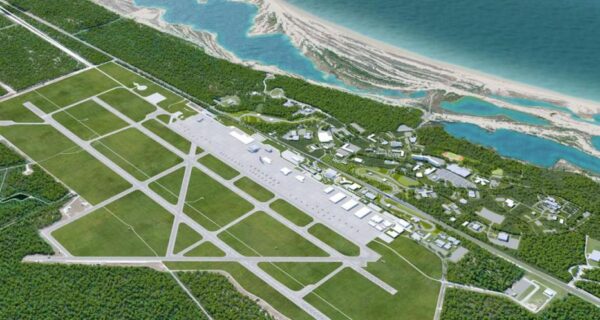
Reported 1st April 2022: A US$ 357M contract was awarded to Lane Construction Corp., a subsidiary of Webuild Group based in the U.S, to commence reconstruction of Tyndall Air Force Base in Florida. This is a large-scale U.S. Army Corps of Engineers contract, to rebuild the Air Force base in Tyndall, which was wrecked in 2018 by Hurricane Michael. It will involve the use of more hardened infrastructure in rebuilding various sections of the base, as a preventive measure against future climate challenges.
According to an official of the Tyndall Natural Disaster Recovery Office (NDR), Don Arias, damages worth about $4.7 billion were inflicted on the Tyndall Air Force Base by the Category 5 hurricane, and this resulted in the destruction of 484 buildings, which forced the relocation of close to 11,000 Air force personnel and 46 aircraft.
Also Read Colorado Air Force Academy Chapel to undergo US$150 million renovation
Reconstruction works for the Tyndall Rebuild project project
The reconstruction of Tyndall Air Force Base /Tyndall Rebuild project is meant to be carried out in two phases, as a part of Tyndall’s US$ 4.9bn recovery plan, which covers work on roadways, water, wastewater, electricals, stormwater, communications, fencing, lighting, parking, fire protection infrastructure and other associated construction works.
Arias said the Tyndall rebuild project would involve building 44 new military construction projects, and 120 new facilities, along with other sustainment, restoration and upgrading projects. He also praised the Tyndall oversight team for working toward building a resilient, efficient and innovative base for the 21st century, which would serve as a benchmark for the Department of Defense.
Glen McDonald, the Vice President of Strategic Initiatives and Economic Development at Gulf Coast State College, also mentioned that the Air Force Base would be built according to Miami-Dade South Florida wind standards. He said the Tyndall Rebuild project is expected to have up to 3500 contractors working on it, which will result in the development of new elevated structures, with the capacity to withstand future hurricanes.
Construction on the Tyndall Rebuild project is scheduled to begin this summer and will reach completion within the next five or seven years. Lane Construction would also have to adhere strictly to the Miami/Dade County Hurricane Standards of the Florida Building Code during the construction phase.
Project Overview
The former Tyndall Air Force Base located 12 miles east of Panama City in Florida, which was destroyed by Hurricane Michael in 2018 and left 484 buildings damaged beyond repair, has new plans in place to rebuild the military site.
The projected US$ 25.5bn in losses included Panama City’s Tyndall Air Force Base, which had been in operation since the 1940s. More than 60% of the base was damaged, including the housing facilities. Tyndall’s rebuilding has been split into 12 zones and is being developed and built by a number of businesses and partners.
Also Read: US$78.2 million awarded for Mayla Pompano multifamily project, Florida
CDM Smith was chosen to reconstruct Zone 10, which includes a big accommodation complex. Unlike the typical hotel, which has around 80 rooms, the new facility will have 360 standard rooms and suites spread across five levels and two towers, as well as a restaurant, conference spaces, a fitness centre, and a new mechanical building.
The facility serves as a hotel not just for visiting families and service members, but also for pilots training on F35 planes and senior non-commissioned officers undergoing professional military training. Standard rooms and suites both provide a view of the Gulf of Mexico on one side and St. Andrews Bay on the other. To create a walking atmosphere, an intermodal walkway goes around the whole campus.
More on the Tyndall Air Force Base
The US$ 200M projects comply with Miami-Dade construction requirements, including stormwater management, strong winds, and corrosion control, and consider environmental concerns, including marine turtle lighting laws. Because hatching sea turtles are directed to the ocean by the light of the moon, the glass and lighting architecture of the facility restrict the artificial light streaming through windows that may possibly confuse hatchlings.
“Military bases are organic in their construction, adding or renovating facilities over time.” It’s not often that we get the chance to establish a brand-new foundation. “We haven’t seen this degree of base development all at once since most of these bases were erected years ago,” said Jeffrey Pitchford, vice president, and architect at CDM Smith.

Leave a Reply