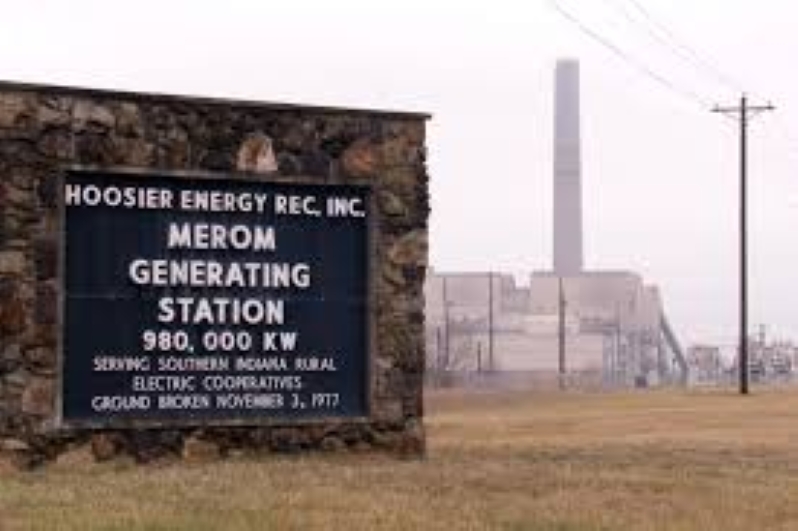
Hallador Energy has taken a major step toward transforming Indiana’s Merom power complex into a multi-fuel generation hub after securing 460MW of Siemens gas-fired generation equipment in a US$350 million acquisition from Energy World Corporation. The transaction significantly advances Hallador’s proposed natural gas generation project at the Merom site. It also positions Hallador to capitalize on rising demand for dispatchable power across the Midcontinent Independent System Operator (MISO) market.
Additionally, the acquisition comes just weeks after Hallador secured a long-term capacity agreement valued at more than US$1 billion, reinforcing confidence in the project’s long-term revenue outlook.
What is in the US$350 million package from Energy World Corporation
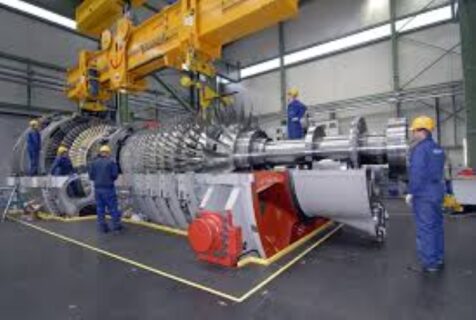
The newly acquired package includes Siemens gas turbines, generators, a steam turbine and associated ancillary equipment. Hallador said the purchase price equates to about US$760/kW, while transportation, refurbishment, insurance and logistics will add approximately US$100 million. This brings the total delivered equipment cost to about US$450 million. According to the company, securing critical equipment early reduces supply-chain risk and shortens the development timeline for the Merom natural gas project.
Hallador Energy’s Merom Natural Gas Project in Indiana and the MISO Market
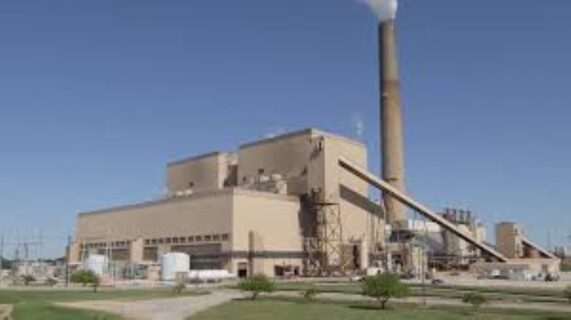
The generation equipment acquisition is important in Hallador’s strategy to evolve from a coal-focused producer into a diversified independent power producer. The company already owns the 1,080MW Merom Generating Station in Sullivan County, Indiana, which it acquired in 2022. Historically operated as a coal-fired facility, Merom has become the centerpiece of Hallador’s transition strategy. It combines existing generation assets with new gas-fired capacity to serve growing electricity demand in the Midwest.
Furthermore, demand continues to increase across the MISO region. This is mainly driven by electrification and manufacturing growth. Booming data center construction in the region is also a major factor with mega-developments such as the US$15 billion Amazon data center expansion in Northwest Indiana.
Hallador believes dispatchable generation assets will command increasingly attractive capacity and energy pricing. This is as grid operators seek reliable resources capable of balancing intermittent renewable generation. The company has also highlighted increasing capacity market revenues at Merom and sees the proposed gas project as a logical extension of its existing power platform.
Hallador Chairman and CEO Brent Bilsland has also described the turbine acquisition as ‘important’ in the development of a multi-fuel generation platform designed to meet growing demand for reliable power in MISO Zone 6.
Project Financing
Hallador notes that the delivered equipment cost represents more than half of the expected total project investment. This effectively locks in a substantial portion of the development budget.
Hallador is also entering this phase from a relatively strong financial position. As of March 2026, the company reported no bank debt and maintained access to a US$120 million credit facility.
In addition, Hallador has amassed significant forward sales commitments and recently signed a 12-year capacity agreement expected to generate more than US$1 billion in contracted revenue through 2040. The agreement substantially increases visibility over future cash flows and may support financing efforts for the gas expansion.
The company also indicated that project financing discussions are progressing. Additionally, the company notes, securing the turbines provides lenders and investors with greater certainty around equipment availability, cost control and schedule execution.
Hallador’s Merom Natural Gas Expansion Project Fact Sheet
Location: Sullivan County, Indiana
Developer: Hallador Energy Company
Existing Site Capacity: 1,080MW
New Equipment Acquired: 460MW of Siemens gas generation equipment including turbines
Equipment Purchase Price: US$350 million
Estimated Delivered Equipment Cost: US$450 million
Technology: Natural gas-fired generation
Grid Market: MISO Zone 6
Target Revenue Start: Late 2028 to Mid-2029
Capacity Agreement: More than US$1 billion contracted revenue through 2040
Project Status: Development and equipment procurement phase
Project Team
Developer and Owner: Hallador Energy Company
Equipment Supplier: Siemens Energy
Equipment Seller: Energy World Corporation
Regional Grid Operator: Midcontinent Independent System Operator
Merom Natural Gas Expansion Project Development Outlook
The 460MW Siemens turbine acquisition significantly de-risks Hallador’s proposed Merom gas-fired expansion. It secures long-lead equipment at a time when global gas turbine manufacturing capacity remains constrained. Hallador also expects the turbines to undergo restoration at Siemens facilities before deployment, with the project targeted to begin generating revenue between late 2028 and mid-2029.
The development also aligns with Hallador’s previously disclosed plans for a new gas-fired generation facility at Merom. Earlier company disclosures referenced a proposed 515MW natural gas simple-cycle project, and the newly acquired equipment provides a tangible pathway toward realizing that vision.
Challenges and Risks Still Linger
While the acquisition removes a major equipment procurement challenge, several risks remain. The project still requires completion of refurbishment activities, financing arrangements, regulatory approvals and construction execution.
Additionally, market conditions, natural gas prices, future capacity market dynamics and broader power sector policy developments could also influence project economics. Cost inflation and supply-chain disruptions also remain potential challenges despite the early turbine procurement.
If completed on schedule, Merom natural gas-fired expansion project would strengthen grid reliability in Indiana and the broader MISO market. This is while creating a more diversified earnings base for Hallador through a combination of energy sales, capacity revenues and contracted power agreements. Rising capacity prices across the region further support the project’s long-term economics.


Leave a Reply