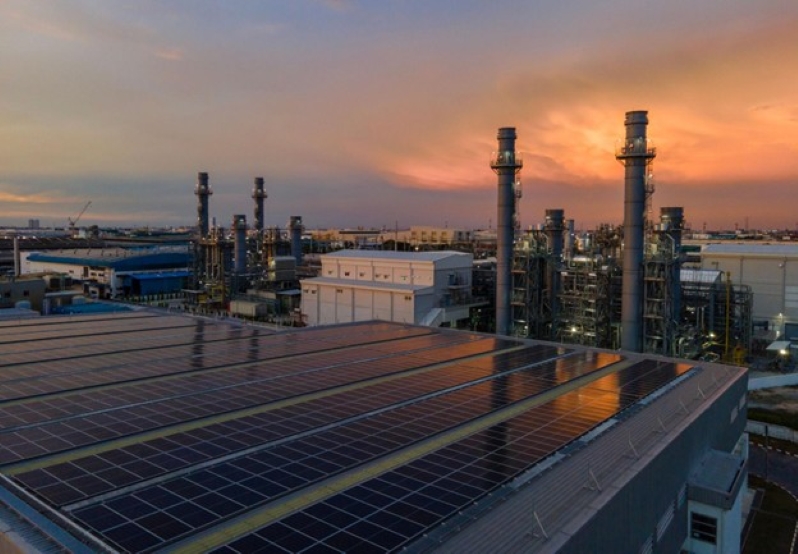
Meta Platforms has agreed to fully fund new energy infrastructure to support its massive data center project in Louisiana under a deal with Entergy Louisiana. The agreement marks one of the clearest examples yet of how big tech are increasingly being involved in the underwriting of energy and grid expansion to meet the soaring energy demands of AI and cloud computing
Project Overview: Louisiana Hyperscale Data Center and Energy Buildout
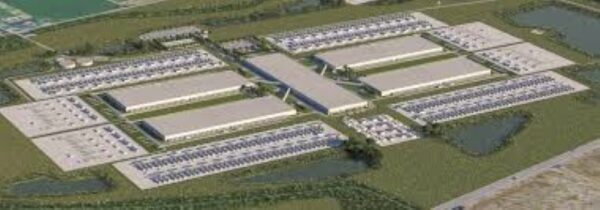
The agreement is tied to Meta’s multi-billion-dollar hyperscale AI data center in Richland Parish, northeast Louisiana. It is one of the largest such developments in the United States.
Key highlights of Meta-Entergy deal to support energy infrastructure for its massive data center in Northeast Louisiana:
Data center capacity: Up to 5 GW
Energy infrastructure:
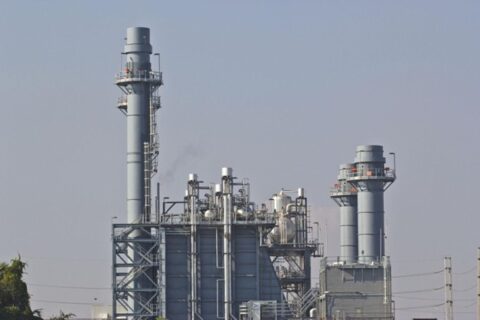
- 7 natural gas-fired power plants
- 5,200 MW total generation capacity
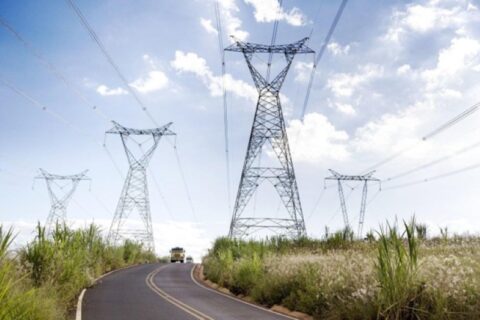
- 240 miles of 500 kV transmission lines
- Battery energy storage systems across 3 sites
Renewables commitment: Up to 2,500 MW of additional solar capacity
Additional pathway: Exploration of nuclear energy solutions
Louisiana Public Service Commission’s decision to allow Entergy Louisiana to build new gas fired-power plants and transmission lines for Meta’s data center in Richland Parish was approved in August 2025. Under the latest Meta-Entergy Louisiana agreement, the tech giant will cover the full cost of service unlike in traditional spend models where utilities recover costs from ratepayers.
Why is Meta Agreeing to Fund Energy Infrastructure for its Louisiana Data Center Important?
This deal is a show of AI-driven data centers are now forcing direct integration between tech companies and power systems.
Meta’s move is also in tandem with a growing industry trend where hyperscalers:
- Secure dedicated power capacity
- Finance grid-scale infrastructure
- De-risk utilities and regulators from capital exposure
The Meta and Entergy Louisiana deal is also particularly significant because it addresses major political and regulatory concerns including who pays for data center-driven grid expansion.
Under this structure, Meta’s commitment is expected to generate approximately $2 billion in savings for utility customers over 20 years, avoiding cost pass-through to households and businesses.
At a policy level, the project also leverages Louisiana’s “Lightning Amendment” regulatory framework, designed to fast-track large industrial energy users.
Financing Structure for Meta and Entergy Louisiana Deal
The financing structure for the development is as follows:
- Capex responsibility: Fully borne by Meta
- Utility role: Infrastructure development and operation
- Customer impact: Net savings of $2-2.65 billion over 20 years
Additional commitments include:
- $120 million toward community energy assistance programs
- $140 million toward energy efficiency initiatives
This deal also largely presents Meta as an infrastructure co-investor than a power consumer, a trend likely to be replicated across major AI markets.
Project Team Backing Meta’s Billion-Dollar Richland Parish AI Data Center and Energy Infrastructure Program
Project Sponsor and Data Center Developer
- Meta Platforms
Utility / Energy Infrastructure Developer
- Entergy Louisiana
Regulator
- Louisiana Public Service Commission
Policy Oversight
- State of Louisiana
Potential Future Stakeholders
- Renewable energy developers in solar
- Nuclear technology partners
- Battery storage providers
Project Fact Sheet for Meta AI Data Center and Energy Infrastructure Program in Louisiana
Location: Richland Parish, Louisiana
Data Center Investment: More than $10 billion
Energy Capacity: More than 5.2 GW in initial buildout
Power Infrastructure:
- 7 gas-fired plants
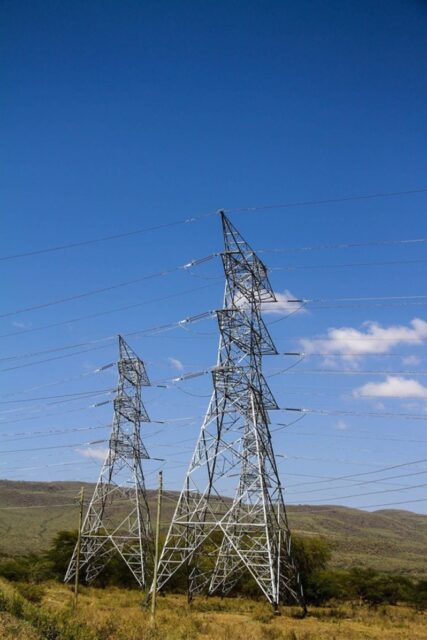
- 240 miles transmission
- Battery storage across 3 sites
Renewables Add-on: Up to 2.5 GW solar
Ownership Model: Utility-owned, Meta-funded
Project Status: Development / early construction
Risks and Challenges to Look Out For
Despite its innovative structure, the project also faces several risks:
1. Energy mix concerns
Heavy reliance on natural gas raises:
- Emissions concerns
- Long-term transition risks
2. Technology demand volatility
AI infrastructure growth is rapid but uncertain due to:
- Overcapacity risk
- Shifting compute demand cycles
3. Regulatory concerns
Past concerns around:
- Cost allocation
- Long-term contractual obligations
- Potential exit scenarios
4. Infrastructure scale risk
Delivering more than 5 GW of capacity requires:
- Complex grid integration
- Extensive supply chain coordination
- Multi-year execution regiment
Outlook on Meta and Entergy Energy Deal for Louisiana Data Center
The Meta-Entergy Louisiana deal is also a watershed moment in infrastructure finance. It signals a future where:
- Hyperscalers co-develop power systems
- Utilities become platform operators for digital infrastructure
- Energy and data infrastructure are planned as a single integrated system
If successfully executed, the project could become an integral part of a template for AI-era infrastructure globally, particularly in regions seeking to attract large-scale data center investment without burdening ratepayers.
Leave a Reply