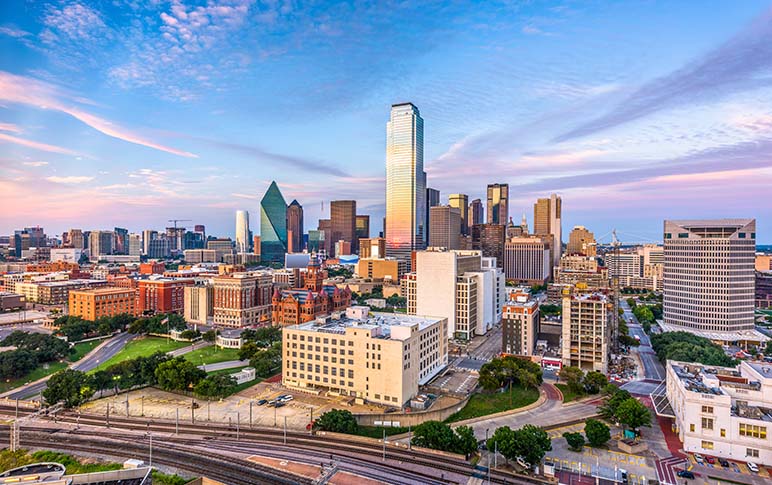
The Morgan Stanley Dallas tower is set to rise at 2401 McKinney Avenue in Uptown, a roughly 709,000 square foot skyscraper that would carry a combined price tag of about $1.3 billion and deepen the bank’s footprint in Texas. The New York firm plans to consolidate several local business lines, which have spread across the city as headcount climbed, into a single high rise on a 2.26 acre site that today holds only a seafood restaurant and a shuttered gym. Under the structure laid out in city documents, Morgan Stanley would invest close to $684 million in the property by 2031, while developer Trammell Crow Company, the Dallas based development arm of CBRE Group, would spend around $650 million to construct the building itself. The plan creates room for as many as 4,800 jobs by the end of 2039. The bank would occupy the finished tower under a 16 year lease beginning in 2031, and in the meantime take roughly 255,000 square feet at Fountain Place on Ross Avenue for a little over four years while the permanent space goes up. The arrangement leans heavily on public support, with the city preparing an incentive package worth up to $18.5 million in grants alongside a 90 percent abatement on business personal property tax. Bloomberg first reported the scale of the proposal, which ranks among the largest corporate office commitments central Dallas has seen in years.
Uptown Dallas and the Rise of Y’all Street
The proposal lands in the middle of a financial migration that has reshaped Uptown Dallas into a corridor local brokers now call Y’all Street. Over the past three years Wall Street names have raced to plant flags within walking distance of one another, drawn by lower occupancy costs, a deep talent pool and a state government eager to court relocations. Less than a mile from the Morgan Stanley site, Goldman Sachs is building the most visible example of that shift. When Goldman first broke ground on its $500 million Dallas campus, the 800,000 square foot complex was pitched as a roughly $500 million project, yet rising costs for steel, labor and materials have since pushed the budget toward $709 million, according to CoStar figures cited by industry press, with the exterior due to finish by the end of 2026 and staff moving in during 2028. Bank of America is also anchoring a new tower nearby, and Canada’s Scotiabank has committed to space close to the Goldman campus. The clustering matters because it compounds, since each arrival strengthens the case for the next, and Morgan Stanley’s tower would add another 4,800 potential desks to a submarket that only a few years ago looked vulnerable to the hollowing out striking older office stock. For a downtown core losing tenants such as AT&T and watching its professional sports teams decamp, Uptown’s gravitational pull has become both an opportunity and a warning.

Morgan Stanley Dallas Tower Timeline and What Comes Next
For now the Morgan Stanley Dallas tower remains a proposal rather than a certainty, and its immediate future hinges on a single vote. Dallas City Council is scheduled to decide on the incentive package this week, and the bank has signaled that it will not proceed without public support, naming Alpharetta, Georgia as an alternative it is still weighing. Should the council approve the grants and abatement, construction at the McKinney Avenue site is expected to begin in the autumn of 2026, with demolition of the existing restaurant and gym clearing the way. The interim move into Fountain Place would follow, bridging the bank’s operations until the permanent building opens in 2031. The phased approach carries real risk, since a four year wait introduces exposure to shifting interest rates, the construction inflation already reshaping Goldman’s nearby budget, and the chance that hybrid work patterns soften demand further. It was reported the developer’s $650 million construction commitment, a figure that underscores how much private capital is riding on the outcome. If the project clears its approvals, the payoff would be thousands of high value jobs retained in the city and a fresh anchor for an Uptown skyline still taking shape.
Project Fact Sheet
- Project Name: Morgan Stanley Dallas Tower (2401 McKinney Avenue)
- Location: Uptown Dallas, Texas, United States
- Project Value: Approximately $1.3 billion combined, comprising about $684 million from Morgan Stanley and around $650 million from the developer, per Dallas city documents reported in June 2026
- Anchor Tenant: Morgan Stanley
- Developer: Trammell Crow Company, the Dallas based development arm of CBRE Group
- Building Size: Roughly 709,000 square feet
- Site Area: About 2.26 acres
- Procurement Model: Public private partnership supported by city incentives
- Construction Start: Expected autumn 2026, subject to city council approval
- Expected Occupancy: 2031, under a 16 year lease
- Jobs Created: Space for up to 4,800 positions by the end of 2039
- Public Incentives: Up to $18.5 million in grants plus a 90 percent business personal property tax abatement
Project Team
- Anchor Tenant: Morgan Stanley
- Developer: Trammell Crow Company
- Developer Parent: CBRE Group
- Public Partner: City of Dallas
- Main Contractor: Not yet disclosed
- Architect: Not yet disclosed
Frequently Asked Questions
- How much does the Morgan Stanley Dallas tower cost? The combined investment is estimated at about $1.3 billion, with Morgan Stanley contributing roughly $684 million and the developer around $650 million, according to Dallas city documents.
- Where will the Morgan Stanley Dallas tower be built? It is planned for 2401 McKinney Avenue in the Uptown district, less than a mile from the new Goldman Sachs campus.
- When will the Morgan Stanley Dallas tower be completed? The bank expects to occupy the building in 2031 under a 16 year lease, with construction tentatively starting in the autumn of 2026.
- Who is developing the Morgan Stanley Dallas tower? Trammell Crow Company, the Dallas based development arm of CBRE Group, controls the site and would build the tower.
- How many jobs will the Morgan Stanley Dallas tower create? City filings indicate space for as many as 4,800 jobs by the end of 2039.


Leave a Reply