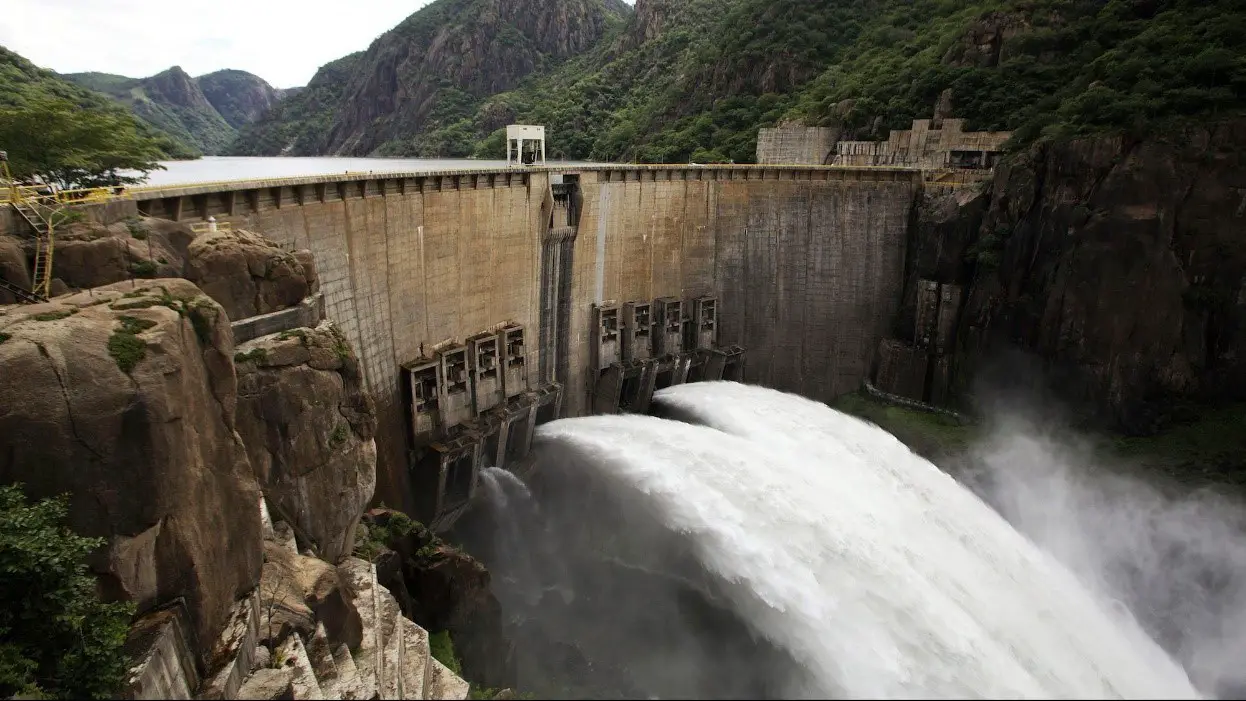
The planned $300 million, 108MW hydroelectric scheme in central Morocco, originally envisioned as a landmark private venture between local developer Platinum Power and China First Highway Engineering Company (CFHEC), a subsidiary of China Communications Construction Company (CCCC), has officially stalled following the definitive liquidation of Platinum Power. Intended to pioneer private-sector hydraulic concessions in the region, the independent power project was ultimately derailed by intense internal shareholder disputes, embezzlement allegations against executive leadership, and deep asset shortfalls. Moroccan judicial authorities finalized liquidation proceedings for Platinum Power and initiated public auctions of the former executives’ remaining real estate and corporate shares to cover outstanding liabilities, effectively leaving the 108MW scheme deadpooled.
As independent, smaller-scale private hydro ventures like the 108MW project collapse, Morocco has significantly shifted its national energy strategy toward massive, state-backed storage infrastructure to manage its expanding green grid. The World Bank approved a critical $265 million financing package for the 300MW Ifahsa Pumped Hydropower Storage Project in northern Morocco. Functioning as a giant grid-scale water battery, these newer mega-developments are specifically prioritized by the Moroccan government and international lenders to address renewable energy intermittency, paving the way to absorb over 1 gigawatt of new wind and solar power while moving away from high-risk, independent generation frameworks.
August 15, 2021
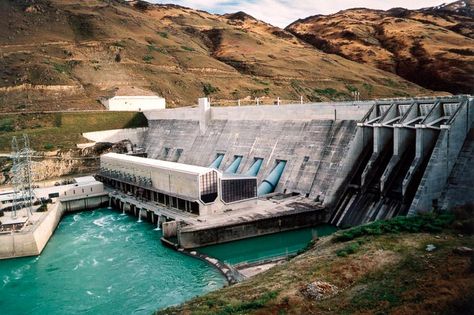
Morocco has announced plans to develop a a 108 MW hydroelectric dam at a cost of US $300m. This decision is the result of a partnership agreement signed in Beijing by Omar Belmamoun, CEO of Platinum Power and Zhou Yongsheng, CEO of CFH, a subsidiary of the public construction company China communication construction company (CCCC) and operates in Morocco through the Tangier Tech project.
The project is projected to enable Morocco to achieve its objectives for the exploitation of renewable energies. Morocco imports approximately 90% of its energy needs, according to the Moroccan Ministry of Energy. The total primary energy consumption has increased by about 5 % per year since 2004. Per the state-owned power utility ONEE, Morocco’s electricity production derives from coal (31%), hydroelectricity (22%), fuel oil (25%), natural gas (10%), wind (10%) and solar (2 %).
Also Read:Cameroon sign letter of intent for Grand Eweng hydropower project
Morocco’s national strategic objective
The national strategic objective is to improve security of supply by reducing dependence on energy imports, including increasing use of renewable sources for electricity production. By 2030, the country targets the green energy sector to to exceed 52% in the energy mix. In 2018, 1,212 MW of wind power, 1,770 MW of hydropower and 700 MW of solar capacity were installed across the country.
Platinum power is specialized in the development and construction of renewable energy projects. In recent years, the company has positioned itself as one of the key players in the hydroelectric sector in Morocco. In October 2018, Platinum Power received authorization from the Moroccan Ministry of Energy to carry out eight hydroelectric projects in the country.
The company, which will also collaborate with China on the renewable energy sector in other African countries, is currently developing hydroelectric projects with a capacity of 325 MW in Morocco (Cascade Ahencal…), 365 MW in Cameroon (Makay) and 300 MW in Ivory Coast (Gao and Tayaboui).
Project Factsheet
Location: Central Morocco
Capacity: 108 MW
Estimated Cost: $300 million
Original Developers: Platinum Power (Morocco) & China First Highway Engineering Company (CFHEC)
Parent Conglomerate (EPC): China Communications Construction Company (CCCC)
Current Project Status: Stalled / Cancelled (Following corporate liquidation of Platinum Power)
Strategic Background and Objectives
- Market Liberalization: The project was planned under Morocco’s deregulated energy framework, aiming to be one of the first major hydraulic concessions where a private player sold high-voltage electricity directly to industrial off-takers.
- Sino-African Alliance: Signed in Beijing, the partnership between Platinum Power (backed by US private equity firm Brookstone Partners) and the state-owned CFHEC was intended to serve as a baseline model for joint renewable infrastructure rollouts across Cameroon, Ivory Coast, and Morocco.
- National Target Alignment: The asset was integrated into Morocco’s broader national climate roadmap to generate 52% of its domestic electricity from clean sources by 2030.
Technical Framework
- Generation Type: Run-of-river or conventional dam-based hydroelectric generation (specific basin details remained restricted under proprietary concessions prior to grid unbundling).
- Infrastructure Scope: Engineering, Procurement, and Construction (EPC) duties were fully delegated to CFHEC, leveraging CCCC’s extensive engineering presence in North Africa (such as the Tanger Tech city development).



Leave a Reply