Shell Venezuela oil and gas agreements mark a significant shift in the country’s upstream sector. The global energy major recently signed several exploration and development agreements with Venezuela’s government and its state company, Petróleos de Venezuela S.A. The deals cover offshore natural gas development and onshore oil and gas exploration projects. Moreover, the agreements highlight Venezuela’s effort to attract foreign capital after reforms to its hydrocarbons law in early 2026.
Furthermore, the agreements emerged during renewed diplomatic engagement and a broader policy shift that encourages international energy investment. Consequently, the government expects the projects to revive production, rebuild infrastructure, and stabilize Venezuela’s energy economy after years of underinvestment.
Advancement of Offshore Gas Projects
First, the agreements focus on offshore gas development, particularly the Dragon Gas Field located near the maritime border with Trinidad and Tobago. Shell plans to develop the field and export gas to Trinidad’s LNG infrastructure. Additionally, the field holds roughly 4 trillion cubic feet of natural gas reserves, making it one of Venezuela’s most strategic gas assets.
Moreover, the project aims to supply the Atlantic LNG Facility, where Shell holds a significant ownership stake. The facility currently operates below capacity due to gas shortages. Therefore, Venezuelan gas could stabilize LNG production and regional energy supply.
In addition, Shell expects to begin exporting gas by 2027, once development activities progress and infrastructure upgrades proceed. The company also plans engineering surveys and drilling programs to prepare the offshore facilities.
Venezuela Expands Oil Exploration through the Agreements
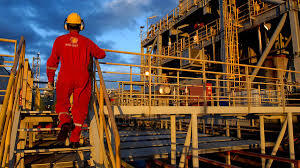
Meanwhile, the agreements also include onshore oil exploration and production initiatives. Specifically, the collaboration targets production units such as the Carito and Piritual assets in the Monagas region. These fields sit within the Punta de Mata division and offer potential for expanded hydrocarbon output.
Furthermore, Venezuela approved sweeping reforms to its hydrocarbons law earlier in 2026. The changes allow private companies to conduct exploration, production, and commercialization of oil and gas with greater autonomy. Consequently, international companies can now participate more actively in the country’s upstream sector.
At the same time, the Venezuelan government hopes these reforms will unlock billions in new investment. Industry analysts estimate that large-scale redevelopment of Venezuela’s oil and gas sector could attract up to $100 billion in capital over the coming decade.
Technical Partnerships Strengthen Shell Venezuela Oil and Gas Agreements
Additionally, Shell signed technical and commercial cooperation agreements with several engineering and service companies. The partnerships aim to accelerate project execution and support exploration and production activities.
Key partners include VEPICA, KBR, and Baker Hughes. These firms will provide engineering services, technology solutions, and project management expertise.
Moreover, these collaborations aim to modernize Venezuela’s aging oil infrastructure. Engineers will evaluate drilling programs, offshore platforms, pipelines, and processing facilities. Consequently, the projects could significantly improve operational efficiency and production reliability.
Policy Changes Drive Foreign Energy Investment
Notably, Venezuela’s energy policy reforms also played a central role in the agreements. The government introduced new rules that reduce taxes, expand ministerial oversight, and give foreign companies more operational flexibility.
Furthermore, the United States recently issued licenses allowing several international energy companies to operate in Venezuela under strict oversight. These permits allow companies such as Shell plc, BP, Chevron, Eni, and Repsol to participate in Venezuelan oil and gas projects.
Consequently, the policy shift signals renewed international interest in Venezuela’s energy sector, which holds the world’s largest proven oil reserves.
Venezuela continues to attract international energy investment due to its vast hydrocarbon resources. In fact, the country holds the world’s largest proven oil reserves as reported in Here are the leading countries in the world with the biggest oil reserves. The oil reserves exceed 300 billion barrels and remain central to global energy markets
Project Fact Sheet: Shell Venezuela oil and gas agreements
Project name: Shell Venezuela Oil and Gas Exploration Agreements
Location: Venezuela (offshore Caribbean waters and onshore Monagas region)
Sector: Oil and gas exploration and production
Primary assets: Dragon offshore gas field, Carito and Piritual production units
Estimated investment value: Approximately $5 billion–$10 billion initial development phase (industry estimates)
Gas reserves (Dragon field): Approximately 4 trillion cubic feet
Key output objective: Export natural gas to Trinidad and Tobago LNG facilities
Export infrastructure: Pipeline links to the Atlantic LNG complex
Expected production start: Targeted by 2027 for Dragon gas exports
Regulatory framework: Venezuela Hydrocarbons Law reform (2026) enabling private participation
Strategic objective: Increase Venezuelan gas exports and revive domestic oil production
Economic impact: Potential multi-billion-dollar foreign investment and regional LNG supply stabilization
Project Team: Shell Venezuela oil and gas agreements
Project developer: Shell plc – Lead investor, offshore gas developer, and LNG market participant
Government partners:
- Petróleos de Venezuela S.A. – National oil company and project partner
- Venezuelan Ministry of Hydrocarbons – Regulatory oversight and licensing authority
Engineering and technical partners:
- VEPICA – Local engineering design and project support
- KBR – Engineering, procurement, and technical services
- Baker Hughes – Oilfield technology, drilling services, and production equipment
Regional energy partners
- National Gas Company of Trinidad and Tobago – Gas buyer and infrastructure partner
- Atlantic LNG Facility – LNG export processing facility
International energy stakeholders:
- BP – LNG stakeholder and regional gas market partner
- Chevron, Eni, and Repsol – Authorized companies operating in Venezuela’s energy sector
Leave a Reply