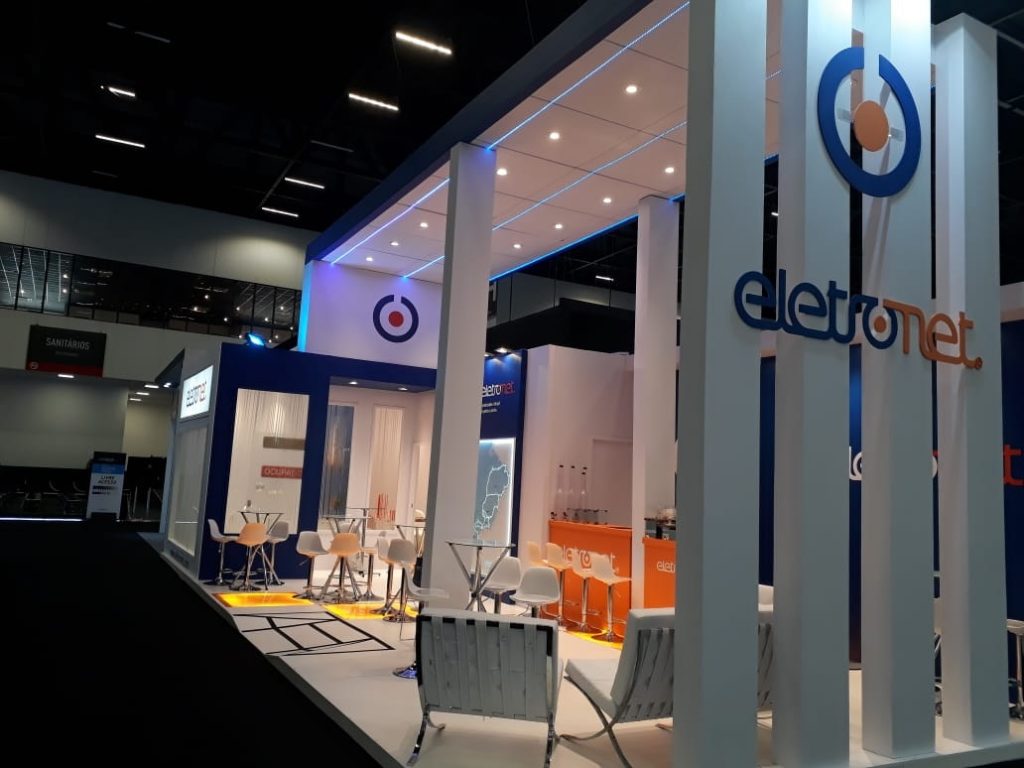
NEC Corporation and Nokia are advancing the Eletronet optical fiber network expansion in Brazil with a $30.4 million investment. The project will increase national backbone capacity by 50% while strengthening long-distance connectivity across Brazil.
Eletronet will add approximately 8,000 kilometers of new fiber routes nationwide. As a result, its total backbone will reach nearly 25,000 kilometers across 23 states.
Moreover, the expansion strengthens high-capacity transport for telecom operators and Internet service providers. Therefore, Brazil’s digital ecosystem will gain improved scalability and operational resilience.
Strategic Scope of Eletronet Optical Fiber Network Expansion in Brazil
First, NEC will serve as the prime system integrator for the nationwide rollout. It will manage engineering design, deployment, testing, and commissioning. Meanwhile, Nokia will supply advanced optical transport platforms. These include the 1830 Photonic Service Switch and 1830 Global Express systems.
In addition, the upgraded backbone will support speeds of up to 1.2 terabytes per second (Tb/s) per optical channel. Consequently, Eletronet will address growing demand from cloud computing, AI workloads, and 5G backhaul. Furthermore, the infrastructure integrates Reconfigurable Optical Add-Drop Multiplexer (ROADM) architecture and a flexible optical grid. These technologies optimize spectrum efficiency and enable dynamic bandwidth allocation.

Investment Driving Eletronet Optical Fiber Network Expansion in Brazil
Eletronet has committed $30.4 million to finance the expansion. This capital supports both network extension and modernization initiatives. Additionally, the rollout will deploy Optical Ground Wire along existing transmission corridors. Therefore, the company will accelerate implementation while limiting environmental disruption.
At the same time, Eletronet will construct 85 new Edge Data Centers nationwide. This addition will raise its total footprint to 255 facilities. As a result, latency-sensitive applications will operate closer to end users. Thus, enterprises and consumers will experience faster and more reliable digital services.
Technology Enabling Capacity and Reliability
Because national data consumption continues to increase rapidly, scalable optical transport remains essential. Therefore, NEC and Nokia are deploying high-performance photonic systems to ensure future readiness.
The 1830 platforms enable coherent optics and dense wavelength division multiplexing. Consequently, Eletronet can deliver ultra-high-capacity transmission with operational flexibility. Moreover, ROADM technology allows intelligent route switching and rapid reconfiguration. This capability enhances redundancy and reduces downtime risks. In addition, the flexible grid improves spectrum utilization efficiency. Hence, the network can expand capacity without installing new physical fiber lines.
Market Impact and Competitive Positioning
The Eletronet optical fiber network expansion in Brazil strengthens wholesale connectivity nationwide. It reinforces the company’s neutral carrier model for telecom operators. Furthermore, diversified fiber routes improve disaster recovery and network redundancy. Therefore, service providers can maintain higher service availability.
At the same time, hyperscale data centers will gain greater backbone capacity. This improvement supports Brazil’s ambition to become a regional digital hub. Ultimately, the expansion aligns infrastructure investment with broadband consumption trends. Thus, Brazil’s digital economy gains a stronger structural foundation.
Brazil’s digital infrastructure build‑out extends beyond fiber to include new data centers such as the 4.8 MW HyperEdge Scala SPOAPA01 data center in Porto Alegre. A facility dedicated to hyperscale clients officially entered operation in 2023. This development underlines how investments in connectivity and compute capacity are advancing in tandem across South America.
Project Fact Sheet: Eletronet Optical Fiber Network Expansion in Brazil
Project Name: Eletronet Optical Fiber Network Expansion
Focus Key Phrase: Eletronet optical fiber network expansion in Brazil
Location: Brazil – 23 states
Client: Eletronet
Lead System Integrator: NEC Corporation
Technology Provider: Nokia
Project Cost: $30.4 million
Network Expansion: 8,000 km additional fiber
Total Network After Expansion: Approximately 25,000 km
Capacity: Up to 1.2 Tb/s per optical channel
Core Technologies:
- Nokia 1830 Photonic Service Switch
- Nokia 1830 Global Express
- ROADM architecture
- Flexible optical grid
Deployment Method: Optical Ground Wire on transmission infrastructure
Edge Data Centers: 85 new facilities (255 total nationwide)
Primary Objective: Increase backbone capacity by 50%
Key Beneficiaries: Telecom operators, ISPs, hyperscalers, enterprise clients
Strategic Outcome: Enhanced scalability, redundancy, and low-latency connectivity
Project Team – Eletronet Optical Fiber Network Expansion in Brazil
Client – Eletronet
- Executive Leadership Team
- Chief Technology Office
- National Network Operations Division
- Infrastructure Planning and Engineering Department
System Integrator – NEC Corporation
- Global Network Division
- Optical Systems Engineering Team
- Project Management Office
- Brazil Deployment and Integration Unit
Technology Provider – Nokia
- Optical Networks Business Group
- 1830 Platform Engineering Division
- Brazil Regional Technical Support Team
- Deployment and Commissioning Specialists
Supporting Stakeholders
- Power transmission infrastructure operators
- Regional fiber installation contractors
- Logistics and supply chain partners
- Regulatory compliance and permitting advisors
Leave a Reply