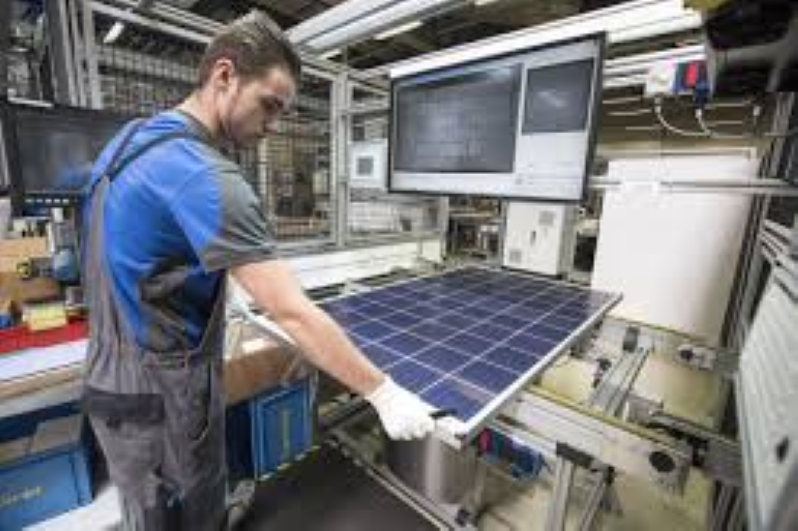
On April 14, 2026, Suniva announced plans to build a 4.5-gigawatt (GW) solar cell manufacturing facility in Laurens, South Carolina. Backed by a $350 million investment, the 620,000-square-foot plant is projected to open in the second quarter of 2027, creating more than 550 local advanced manufacturing jobs and boosting total U.S. solar cell manufacturing capacity.
The new South Carolina solar facility will increase the total manufacturing capacity by Suniva from around 1 GW to 5.5 GW, positioning it among the largest solar cell producers in the United States. The expansion also follows the company’s restart of its Georgia manufacturing operations in 2024. This is a reflection a broader resurgence of domestic solar cell production after years of reliance on imports.
Additionally, the South Carolina project also highlights the growing push to expand domestic solar manufacturing capacity. Tesla is pursuing a much larger proposed solar-cell manufacturing facility in Fort Bend County, Texas, where it is seeking a 10-year property tax limitation to support a potential $10.1 billion investment.
Suniva announced a definitive reverse-merger agreement with SUNation Energy on June 8, 2026, creating a fully integrated U.S. solar company by combining upstream cell manufacturing with downstream installation capabilities. The deal, expected to close in late 2026, places Suniva in control of the board and does not impact the development timeline for its 4.5 GW South Carolina facility. Visit the Suniva website for more information.
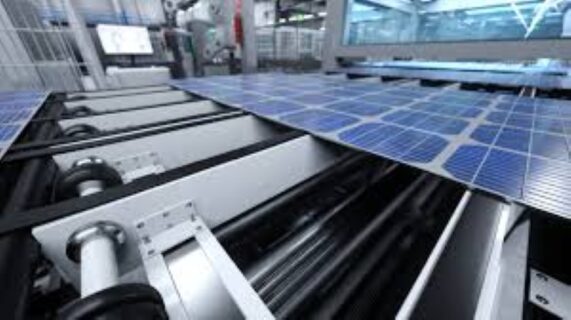
Why is Suniva Solar Cell Facility in South Carolina Important
The South Carolina facility also comes at a critical time for the U.S. solar industry, where module manufacturing capacity has surged but solar cell production remains constrained. U.S. module capacity exceeds 60 GW, while solar cell capacity remains significantly lower at around 3-10 GW range.
This imbalance has forced domestic module manufacturers to rely heavily on imported cells, particularly from Asia. The new South Carolina solar facility expansion by Suniva addresses this problem as it enables a fully domestic solar supply chain aligned with incentives under the Inflation Reduction Act (IRA).
The project also is a show of policy shifts that aim to reduce dependence on Chinese-linked supply chains and increase appetite for domestic tax credits. This also extends to other sectors such as EV batteries where the U.S. is investing substantially as seen with the likes of AESC 30 GWh gigafactory in Florence that is focused on lithium-ion cells. Arguably, foundational to all this will be the strengthening of U.S. energy security.
Suniva South Carolina Solar Cell Facility Project Scope
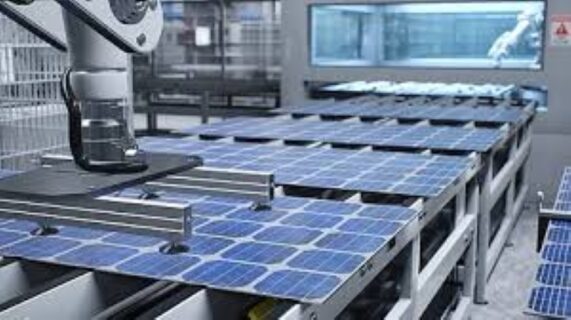
The South Carolina facility by Suniva is designed as a large-scale crystalline silicon solar cell manufacturing plant.
Key Features
Capacity: 4.5 GW. Expansion to 5.5 GW total
Technology: Monocrystalline silicon PV cells
Investment Value: $350 million
Jobs: Over 550 direct positions
Start of Operations: Expected Q2 2027
The plant will supply U.S.-based module manufacturers, supporting utility-scale, commercial, and residential solar deployment.
Development Background
Suniva’s expansion builds on a multi-phased growth strategy:
2023–2024: Restart of Georgia facility with 1 GW capacity
2025: Supply chain partnerships with module manufacturers
2026: Announcement of major South Carolina expansion
2027: Targeted commissioning of new facility
The company’s revival also follows a period of industry decline caused by low-cost imported solar products, which had previously forced U.S. manufacturers out of the market.
Project Cost
Total Investment: $350 million
Funding Sources:
- Corporate capital
- Private equity backing – Lion Point Capital
- Policy-driven incentives through IRA-linked benefits
The project also benefits from strong offtake visibility as a significant portion of production is already committed under long-term agreements. This reduces market risk and improves bankability.
Project Team
Developer and Owner: Suniva
Investor: Lion Point Capital
Supply Chain Partners:
Government Stakeholders:
- U.S. Federal Government through IRA framework
- State of South Carolina


Leave a Reply