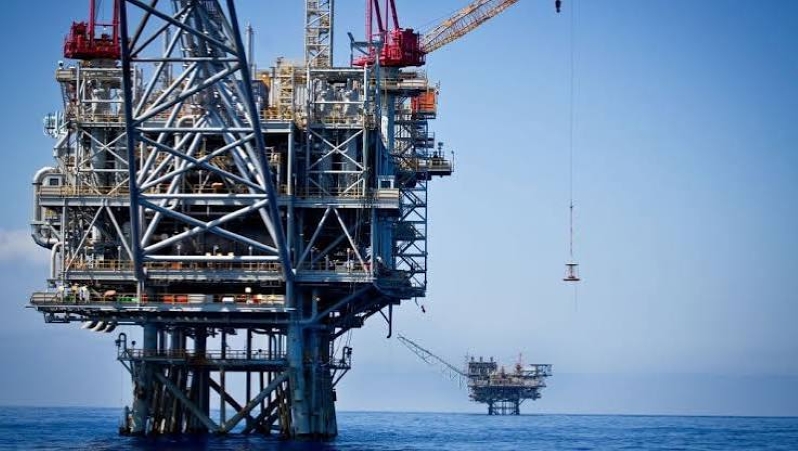
Israel has launched a new offshore natural gas exploration licensing round in the Mediterranean Sea, marking the country’s fifth competitive tender process for offshore acreage as it seeks to expand domestic gas reserves. The tender is also out to in a bid to strengthen long-term energy security and increase exports to regional and international markets.
More on the fifth offshore natural gas tender launched by Israel
The tender, announced by Israel’s Ministry of Energy and Infrastructure on 6 July 2026, opens additional offshore blocks for exploration. It is expected to take approximately one year to complete through a three-stage competitive process.
The licensing round comes after delays caused by regional geopolitical tensions. It also reflects renewed government confidence in the Eastern Mediterranean’s hydrocarbon potential.
Officials also believe further discoveries could significantly increase Israel’s already substantial offshore gas resource base. The tender has the potential to support domestic consumption and enhance exports to neighboring countries such as Egypt and Jordan.
The announcement has also revived interest from international energy companies looking to participate in one of the Mediterranean’s most prospective gas basins. Multiple reports indicate that companies already active in Israeli waters, including Chevron, may participate through consortium arrangements alongside new entrants. Israel believes as much as 400 billion cubic meters (bcm) of additional recoverable natural gas could still be discovered in its offshore acreage.
Impact to be made by the latest natural gas tender by Israel
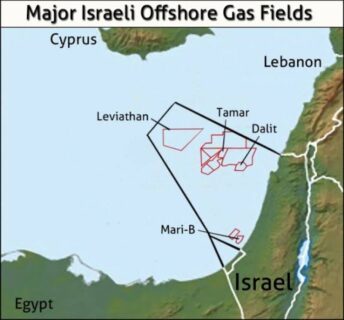
The new tender forms part of Israel’s broader strategy to consolidate its position as a major Eastern Mediterranean natural gas producer. This follows the successful development of the Tamar, Leviathan and Karish offshore fields. Domestic natural gas has also transformed Israel’s energy mix over the past decade. It has replaced imported fuels for electricity generation while creating a growing export industry serving neighboring countries.
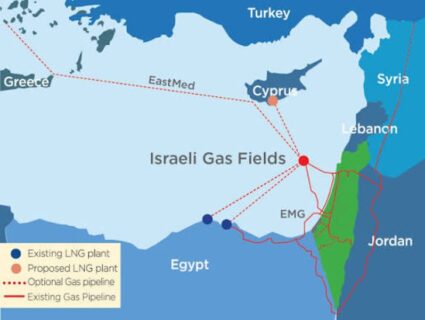
According to Energy Minister Eli Cohen, expanding exploration activities will help secure future domestic supply. It will also generate additional export revenues that can strengthen regional economic cooperation. Israel currently consumes and exports approximately 14 bcm of natural gas annually, primarily supplying domestic power generation and pipeline exports to Egypt and Jordan. Existing export infrastructure routes Israeli gas into Egypt, where part of the production is liquefied for shipment to international markets.
Although European countries have expressed interest in increasing imports of Eastern Mediterranean gas, large-scale exports remain constrained by limited reserves relative to demand. The absence of dedicated export pipeline infrastructure is another factor to this deterrence. Israeli authorities believe successful exploration could improve the commercial viability of future export projects.
Tender structure
The fifth offshore tender and licensing round covers multiple exploration areas within Israel’s Exclusive Economic Zone in the Eastern Mediterranean.
The competitive process will be conducted in three stages over twelve months. Successful bidders will receive exploration licenses allowing geological studies, seismic surveys and exploratory drilling. This is subject to Israeli regulatory approvals and environmental requirements.
Israeli law requires that the first 50 bcm from any new commercial gas discovery be reserved for domestic consumption before exports are permitted. This is to ensure future energy security while allowing surplus production to enter export markets.
Industry participation
Several international energy companies are expected to evaluate participation in the licensing round.
Chevron, operator of Israel’s giant Leviathan and Tamar gas fields, is eligible to bid as part of a consortium. Previous offshore licensing rounds have attracted companies including BP, SOCAR and NewMed Energy.
The licensing program also comes as operators continue investing in expansion projects aimed at increasing production capacity from existing offshore developments. This positions Israel to meet rising domestic demand while supporting regional export growth.
Finance
The Israeli government has not disclosed an expected investment value for the licensing round. This is because exploration expenditures will depend on a number of factors including how many licenses have been awarded, seismic acquisition programs and exploratory drilling commitments made by the winning consortia.
Historically, offshore exploration campaigns in deep-water Mediterranean basins require investments ranging from tens of millions to several hundred million dollars per exploration block. This depends on drilling activity and appraisal requirements.
Commercial discoveries would also likely trigger multi-billion-dollar development investments. These will cover offshore production platforms, subsea infrastructure, export pipelines and gas processing facilities.
Outlook on the new offshore natural gas tender launched by Israel
The new Mediterranean offshore gas tender by Israel is expected to run for one year before exploration licenses are awarded.
Successful bidders would subsequently undertake seismic surveys and exploratory drilling programs over the coming years. Additionally, any commercial discoveries would progress through appraisal, field development planning and regulatory approvals before production begins.
If significant new reserves are confirmed, Israel could strengthen its position as a major Eastern Mediterranean gas supplier. The reserves would support domestic energy security, expand exports to regional markets and potentially increase LNG shipments through Egyptian export terminals.
Associated risks
The program continues to face several challenges. These include geopolitical instability in the Eastern Mediterranean and offshore security considerations. Commodity price volatility, exploration risk, environmental permitting requirements and uncertainty regarding future export infrastructure also factor in. Commercial success will ultimately depend on exploration results and the economic viability of any discoveries.
Israel Fifth Offshore Natural Gas Exploration Tender and Licensing Round: Fact Sheet
Location: Israeli Exclusive Economic Zone, Eastern Mediterranean Sea
Owner: Ministry of Energy and Infrastructure, Israel
Stage: Tender launched (July 2026)
Tender duration: 12 months
Primary objective: Discover additional offshore natural gas reserves
Estimated undiscovered resource potential: Up to 400 bcm
Current Israeli gas production: Approximately 14 bcm annually consumed and exported
Potential tender participants: Chevron, BP, SOCAR, NewMed Energy and other international exploration companies
Leave a Reply